Product Introduction
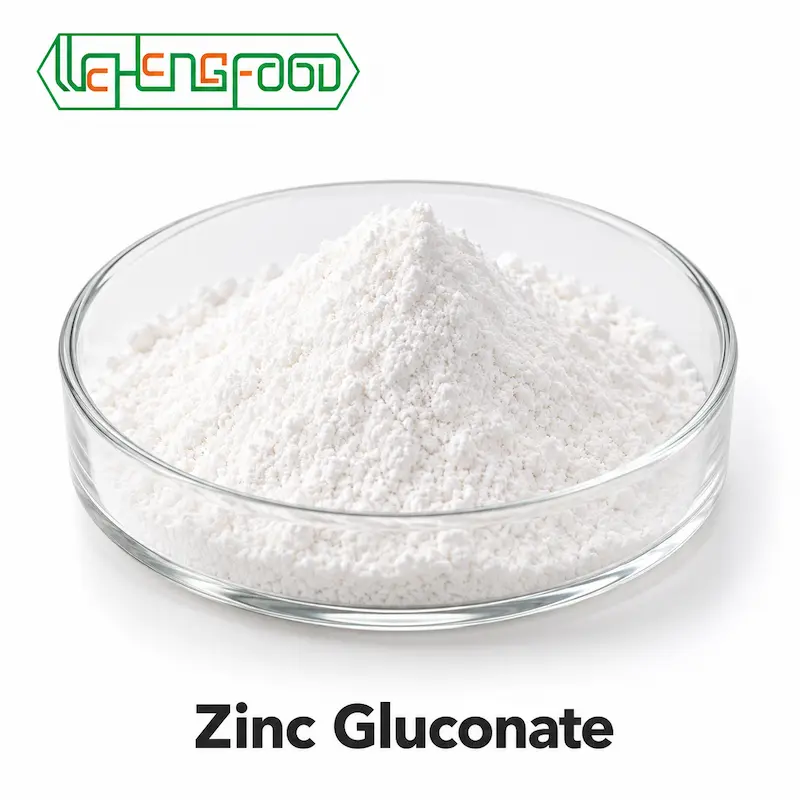
Zinc gluconate is the zinc salt of gluconic acid, a mild organic acid produced by glucose fermentation. It appears as a white to off-white crystalline or granular powder, dissolves readily in water, and has a milder taste than inorganic salts such as zinc sulfate. Because it is an organic zinc salt, it is one of the most widely used forms of zinc in dietary supplements, fortified foods, oral care products and pharmaceutical preparations.
As an experienced China zinc gluconate manufacturer, supplier and exporter, WEHENGFOOD supplies food-grade zinc gluconate in bulk to supplement brands, beverage producers, contract manufacturers and distributors worldwide. Each batch ships with a Certificate of Analysis, and we can provide further technical and regulatory documents on request.
Zinc content. Anhydrous zinc gluconate contains about 14.3% elemental zinc, and the trihydrate form contains somewhat less. This matters for formulation: a “50 mg zinc gluconate” tablet delivers roughly 7 mg of elemental zinc, not 50 mg. Always calculate label claims from the elemental zinc value.
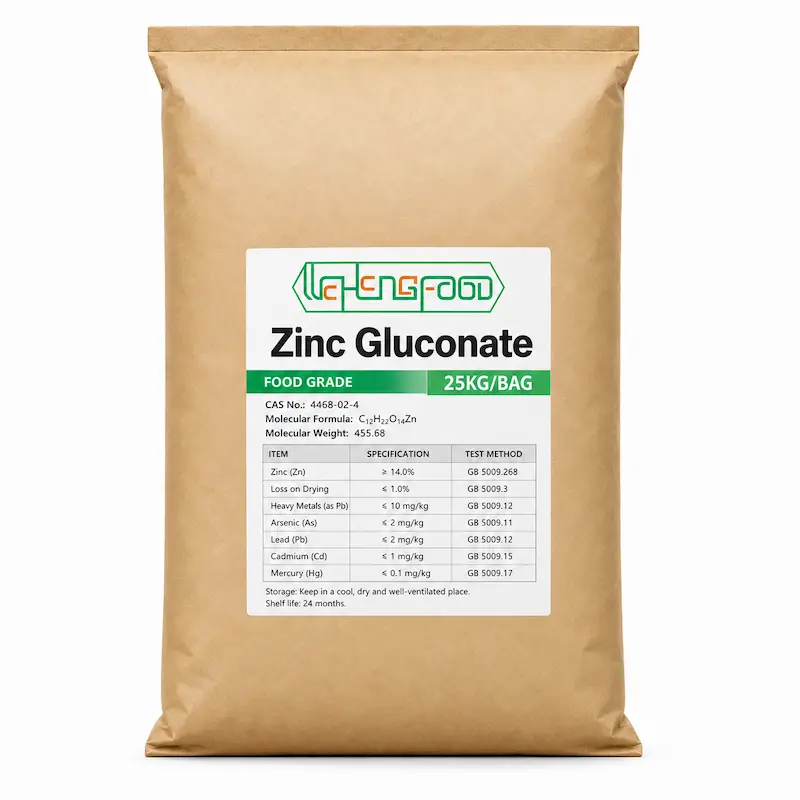
Certificate of Analysis
Test Item | Specification (USP43) | Result |
Identification | Pass the test | Pass |
Assay (dried basis) | 97.0–102.0% | 99.25% |
pH (10.0 g/L) | 5.5–7.5 | 5.75 |
Water | ≤ 11.6% | 8.11% |
Sulfate | ≤ 0.05% | < 0.05% |
Chloride | ≤ 0.05% | < 0.05% |
Reducing Substances | ≤ 1.0% | < 1.0% |
Lead (Pb) | ≤ 10 ppm | < 2 ppm |
Cadmium (Cd) | ≤ 5 ppm | < 1 ppm |
Arsenic (As) | ≤ 3 ppm | < 2 ppm |
Key Functions of Zinc Gluconate
1. Reliable zinc supplementation
Zinc is an essential trace mineral involved in more than 300 enzymes and in protein and DNA synthesis. Zinc gluconate gives formulators a soluble, well-tolerated way to deliver it in tablets, capsules, lozenges and liquids.
2. Good bioavailability at a practical cost
Questions about zinc gluconate bioavailability and absorption come up constantly in formulation work. In human absorption studies, zinc gluconate has performed comparably to zinc citrate, and both have outperformed zinc oxide, which is poorly soluble. Absorption of any zinc salt is also affected by dose, the meal it is taken with, and phytate content.
3. Immune function support
Zinc contributes to normal immune function, which is why zinc gluconate is common in immune-health products. It is also widely used in zinc gluconate lozenges, where the zinc is released in the mouth. Clinical results for lozenges and the common cold are mixed and depend on the zinc form, dose and timing, so any health claim should follow the regulations of your target market.
4. Skin and sebum balance
Zinc supports normal skin maintenance. In personal care, zinc gluconate for skin appears in products aimed at oily and blemish-prone skin, where it is valued for sebum-regulating and soothing properties.
5. Mild taste and good solubility
Compared with zinc sulfate, zinc gluconate has less metallic astringency, which makes it easier to use in lozenges, chewables and flavored liquids.
Applications of Zinc Gluconate
| Industry | Typical Uses |
|---|---|
| Dietary supplements | Zinc gluconate tablets, capsules, lozenges, gummies, effervescent tablets, multivitamin and mineral blends |
| Food fortification | Breakfast cereals, powdered drinks, functional beverages, nutrition bars, dairy alternatives (where permitted) |
| Pharmaceutical | Zinc supplementation in oral solutions, drops and tablets for zinc deficiency |
| Personal care | Oral care, deodorant, and skincare for oily and acne-prone skin |
| Animal nutrition | Trace mineral premixes (on request) |
Dosage reference for formulators. Typical adult supplement servings are about 8–15 mg of elemental zinc, equal to roughly 55–105 mg of zinc gluconate. For adults, the tolerable upper intake level for supplemental zinc is generally set at 40 mg of elemental zinc per day (U.S. guidance). Common zinc gluconate side effects at high doses include nausea and a metallic taste, and long-term excessive intake can interfere with copper status. Final dosage and labeling should follow the rules in your destination market.
Zinc Gluconate vs Other Forms of Zinc
Formulators often ask which is the best form of zinc for a given product. The answer depends on the application:
- Zinc gluconate vs zinc picolinate: Picolinate is often marketed for higher absorption, but the human evidence is limited and mixed. Gluconate is better established, widely accepted by regulators, and usually more cost-effective.
- Zinc gluconate vs zinc citrate: Both are well absorbed and well tolerated. Citrate is nearly tasteless and often used in chewables, while gluconate is more common in lozenges and tablets.
- Zinc gluconate vs zinc oxide: Oxide has the highest zinc content but low solubility. Gluconate dissolves more easily and is better suited to liquids and fast-release forms.
- Zinc gluconate vs zinc sulfate: Sulfate is inexpensive and very soluble but harsher on the stomach and taste. Gluconate is milder.
- Zinc gluconate vs zinc acetate: Acetate is another common choice for lozenges. Gluconate offers a gentler taste and a long history in supplements.
- Zinc bisglycinate and other chelated zinc: Amino acid chelates are popular in premium products and typically cost more, so they suit positioning-led formulas.
Factory
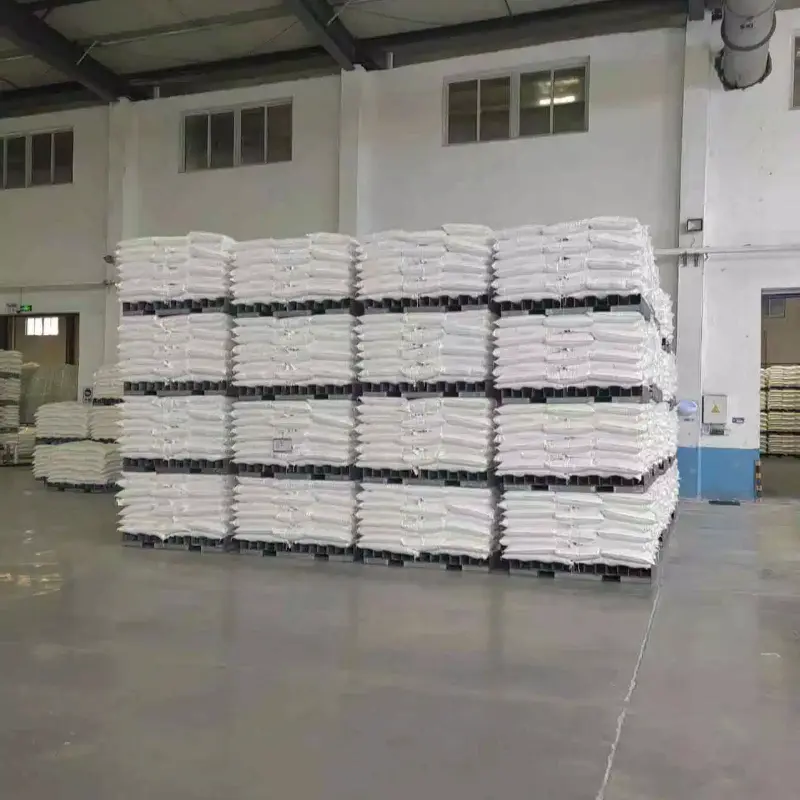

Package
Exhibitions

FAQ
Q1: What is zinc gluconate and what is it used for?
Zinc gluconate is the zinc salt of gluconic acid, a water-soluble powder that supplies the essential trace mineral zinc. It is widely used in dietary supplements (tablets, capsules, lozenges, gummies), food and beverage fortification, oral zinc solutions, and personal care products such as oral care and skincare for oily skin.
Q2: How much elemental zinc does zinc gluconate contain?
Anhydrous zinc gluconate contains about 14.3% elemental zinc. A zinc gluconate 50 mg tablet therefore provides roughly 7 mg of elemental zinc. Label claims should always be calculated from elemental zinc, not the weight of the salt.
Q3: How well is zinc gluconate absorbed compared with other zinc forms?
In human studies, zinc gluconate bioavailability has been comparable to zinc citrate and better than poorly soluble zinc oxide. The evidence that zinc picolinate absorbs better is limited and mixed. Dose, meal composition and phytate content also affect absorption of any zinc salt.
Q4: What is the recommended dosage of zinc gluconate in supplements?
Typical adult servings provide about 8–15 mg of elemental zinc, equal to roughly 55–105 mg of zinc gluconate. The tolerable upper intake level for supplemental zinc in adults is generally 40 mg of elemental zinc per day (U.S. guidance). Final dosage and labeling should follow your destination market’s regulations.
Q5: Does zinc gluconate have side effects, and is it safe for food and supplements?
At normal levels, zinc gluconate is well tolerated and accepted as a zinc source in food fortification and supplements in many markets. At high doses, common zinc gluconate side effects include nausea, stomach upset and a metallic taste. Long-term excessive intake can interfere with copper absorption, so labels should state a recommended serving.
Q6: Do you offer OEM and private label zinc gluconate supplements?
Yes. As a China zinc gluconate manufacturer, supplier and exporter, WEHENGFOOD supports OEM and private label projects as well as bulk supply. Besides zinc gluconate powder, we can work with you on softgels, hard capsules, gummies, tablets and granules, matching grade and particle size to your process, with a Certificate of Analysis for each batch.