Product Introduction
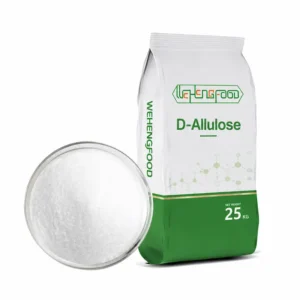
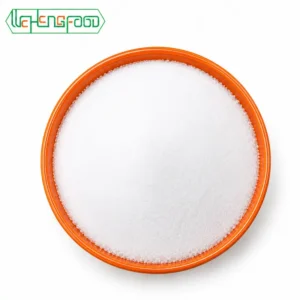
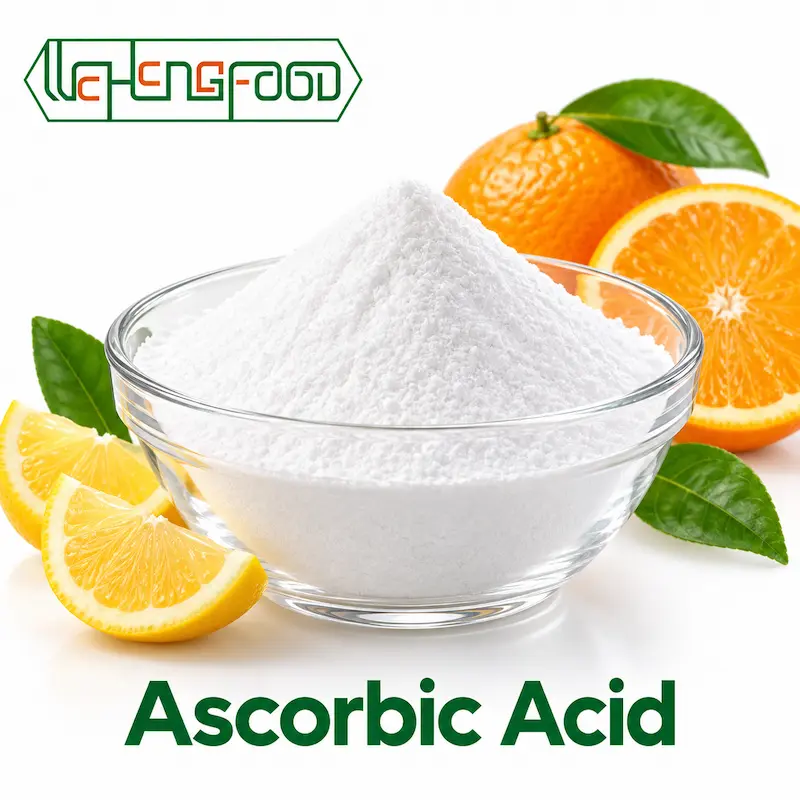
WEHENGFOOD is a professional ascorbic acid supplier, manufacturer and exporter from China. Our ascorbic acid powder (L-ascorbic acid, CAS 50-81-7) is a white to slightly yellowish crystalline powder that is odorless, has a clean sour taste and dissolves freely in water. It is the pure chemical form of vitamin C and one of the most widely used ingredients in food, beverage, dietary supplement, cosmetic and pharmaceutical formulations worldwide.
We supply ascorbic acid powder in two standard mesh sizes: 40-80 mesh and 100 mesh. 40-80 mesh ascorbic acid is a coarser, free-flowing crystalline powder that resists caking and dusting, which makes it ideal for tablets, granulation, dry blends, effervescent products and bulk food processing. 100 mesh ascorbic acid is a finer powder that dissolves faster and mixes more evenly, which suits beverage powders, flour improver premixes, sachets, capsules and cosmetic formulations. Both mesh sizes share the same purity (99.0%–100.5%) and quality standards (USP / BP / EP / FCC / GB 14754).
As a China ascorbic acid factory and wholesaler, we supply consistent, traceable batches with full documentation (COA, SDS, specification sheet, allergen and non-GMO statements on request) and competitive ascorbic acid price for importers, distributors, blenders and brand owners.
What Is Ascorbic Acid?
Ascorbic acid is a water-soluble organic compound with a lactone ring and an enediol group, which explains both its strong reducing power and its acidity. In the food industry it is registered as additive E300 (INS 300). The structure of ascorbic acid (C₆H₈O₆) allows it to donate electrons easily, so it neutralizes free radicals and protects other ingredients from oxidation.
Is Ascorbic Acid the Same as Vitamin C?
Yes. In everyday use, ascorbic acid and vitamin C refer to the same active compound: L-ascorbic acid is the biologically active form of vitamin C. The difference is mostly in wording. “Vitamin C” is the nutritional name used on supplement and food labels, while “ascorbic acid” is the chemical and ingredient name used in specifications and trade. Other vitamin C forms, such as sodium ascorbate, calcium ascorbate, ascorbyl palmitate and 3-O-ethyl ascorbic acid, are derivatives made for different pH, solubility or stability needs.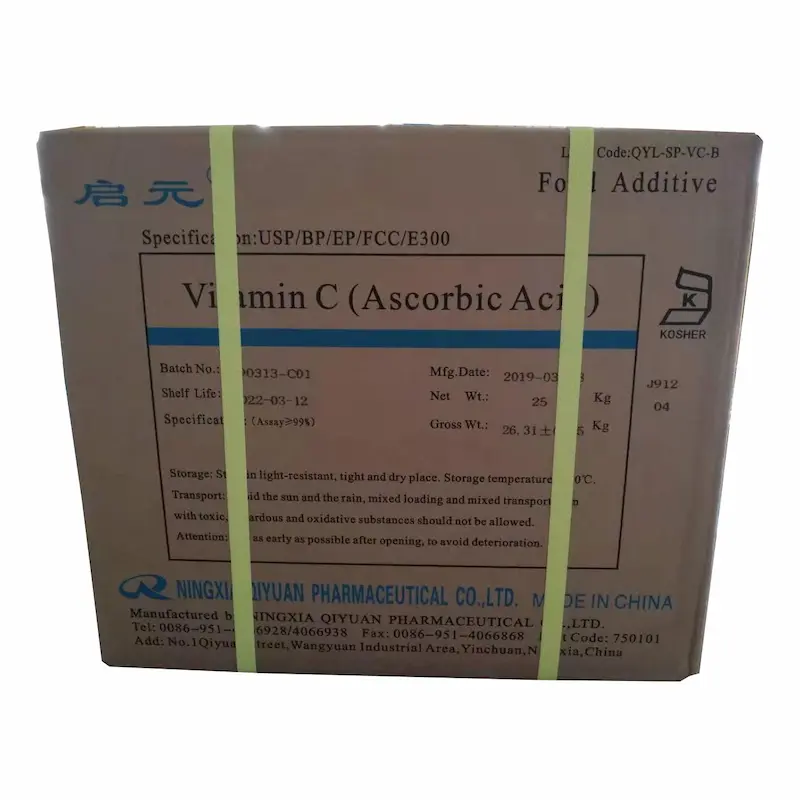
Certificate of Analysis
tem | Specification | Result |
Appearance | White or almost White Crystalline Powder or colorless crystals | Pass |
Melting Point | About 190°, with decomposition | 191° |
Specific optical rotation | +20.5°—+21.5° | +21.1° |
PH (With 5% water solution) | 2.1-2.6 | 2.3 |
PH (With 2% water solution) | 2.4-2.8 | 2.5 |
Loss on Drying | ≤0.4% | 0.03% |
Assay | 99.0%-100.5% | 99.6% |
Heavy metals | ≤10ppm | Meets the requirements |
Clarity of solution | Clear | Clear |
Color of solution | ≤BY7 | <BY7 |
Impurity E | ≤0.2% | Meets the requirements |
Copper | ≤5.0ppm | <5.0ppm |
Iron | ≤2.0ppm | <2.0ppm |
Arisenic | ≤3.0ppm | <3.0ppm |
Lead | ≤2.0ppm | <2.0ppm |
Mercury | ≤1.0ppm | <1.0ppm |
Cadmium | ≤1.0ppm | <1.0ppm |
Sulphated ash | ≤0.1% | 0.06% |
Residual Solvents | Meets requirement | Meets the requirement |
Bacterial endotoxin | <0.020Eu | Meets the requirement |
Total aerobic microbial count | ≤1000cfu/g | 110cfu/g |
Total yeasts and molds count | ≤10cfu/g | Not detected |
Escherichia coli | Absence | Not detected |
Ascorbic Acid Functions
The main ascorbic acid functions that make it valuable to formulators are:
- Antioxidant: Scavenges oxygen and free radicals, delaying oxidation, browning, off-flavors and rancidity in food, beverages and cosmetics.
- Color Protection and Anti-Browning: Prevents enzymatic browning of fruit and vegetable products, and helps retain the bright color of juices, purees and processed produce.
- Dough Improver: Acts as an oxidizing improver in flour, strengthening gluten and improving dough tolerance and loaf volume. This is the role of ascorbic acid in bread and bakery products.
- Cure Accelerator and Color Stabilizer: Speeds up and stabilizes color formation in cured meat products.
- Acidulant and pH Regulator: Provides mild acidity and a refreshing sour note in beverages and powder mixes.
- Vitamin C Fortification: A nutrient source for fortified foods and supplements. Vitamin C is essential for collagen formation, normal immune function and the absorption of non-heme iron, and its deficiency is known to cause scurvy.
- Skin Care Active: Used in ascorbic acid serum and cosmetic formulations for its antioxidant and skin-brightening role.
Ascorbic Acid Uses and Applications
Ascorbic Acid in Food and Beverages
Ascorbic acid in food is used to extend shelf life and protect quality. Typical applications include fruit juices, soft drinks, sports and energy drinks, canned and frozen fruit and vegetables, jams, dairy and plant-based drinks, edible oils, instant powder drinks, and beer and wine (as an oxygen scavenger).
Bakery and Flour Treatment
As a flour improver, ascorbic acid is added at very low levels (typically tens of ppm on a flour basis) to bread, buns, noodles and frozen dough, giving better volume, crumb structure and machinability.
Meat and Seafood Processing
Used with nitrite in sausages, ham and bacon to promote stable cured color and reduce nitrosamine formation; also used in seafood to limit discoloration and oxidation.
Dietary Supplements and Nutrition
The most common ascorbic acid supplement formats include ascorbic acid tablets, capsules, effervescent tablets, gummies, sachets and vitamin C powder blends, often in doses such as 500 mg per serving, and frequently combined with zinc, vitamin D or other nutrients. Our powder suits direct compression and blending.
Cosmetics and Personal Care
L-ascorbic acid is a core active in vitamin C serum and brightening products. It works best in acidic formulations (low pH) with proper protection from air and light. For formulas needing better stability, ask us about derivatives such as ethyl ascorbic acid and sodium ascorbyl phosphate.
Pharmaceutical and Other Uses
Pharma-grade ascorbic acid is used in oral and injectable vitamin C preparations, as an excipient antioxidant, and in other industrial applications such as water treatment. Pharma use requires the corresponding grade and regulatory documentation.
Factory
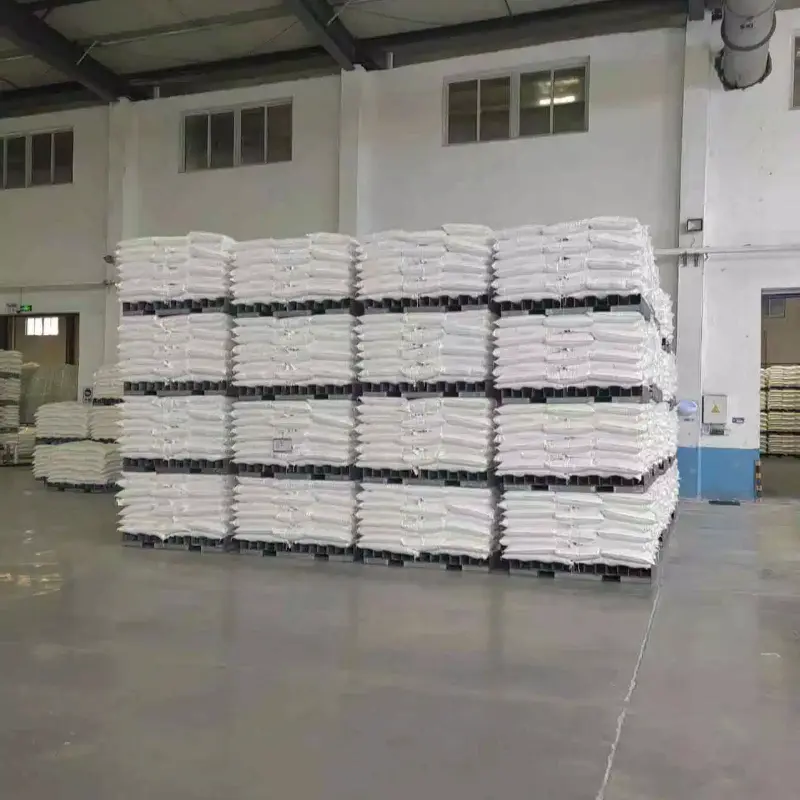
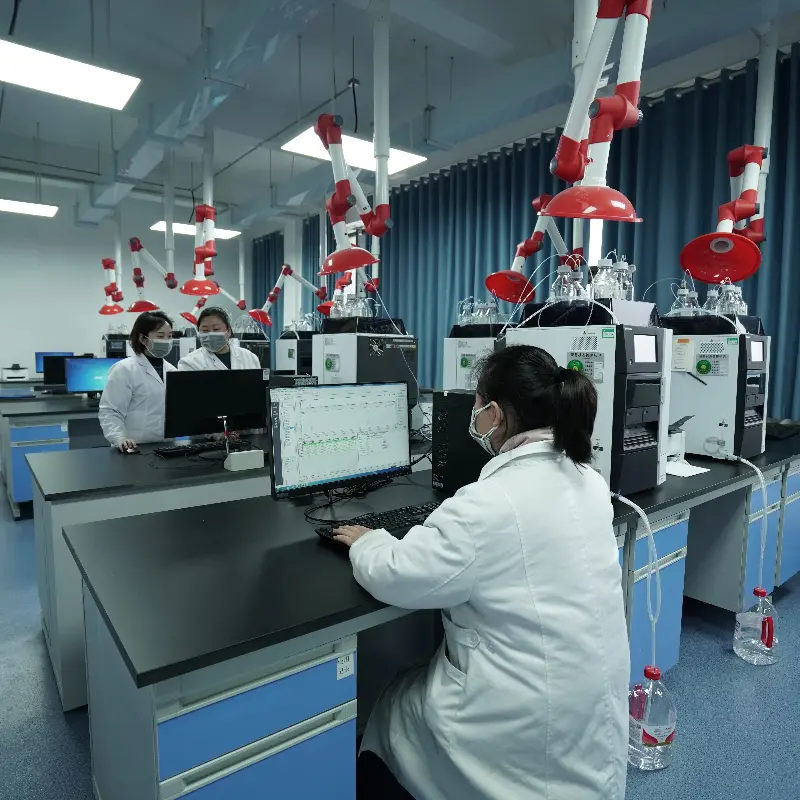
Package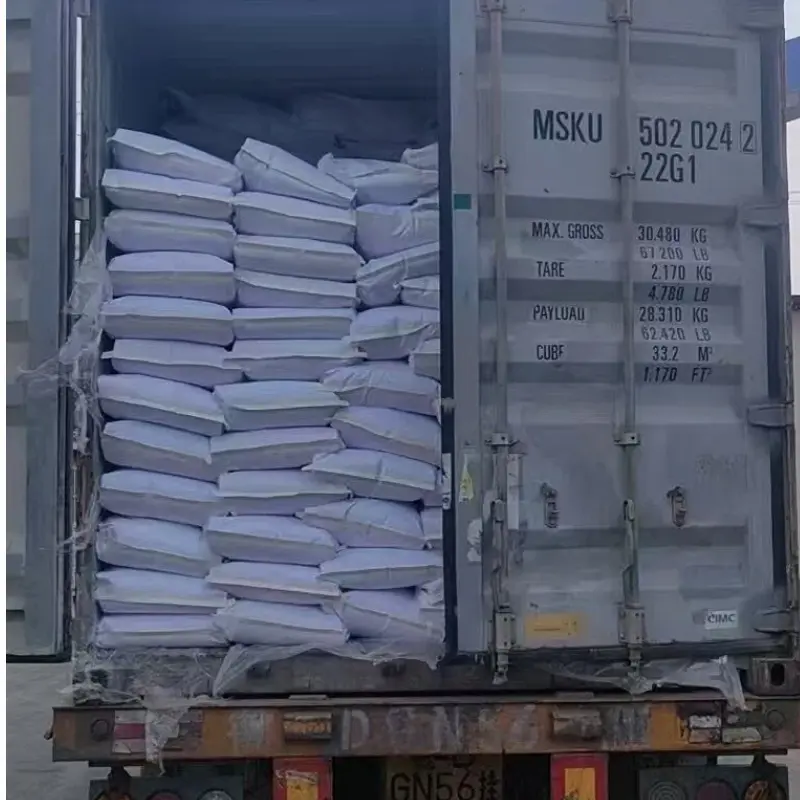
Exhibitions

FAQ
Q1: What is ascorbic acid used for?
Ascorbic acid is used as an antioxidant, preservative aid, color stabilizer, flour improver, acidulant and vitamin C source in food, beverages, supplements, cosmetics and pharmaceuticals.
Q2: What is the difference between ascorbic acid and vitamin C?
Ascorbic acid (L-ascorbic acid) is the active compound known as vitamin C. “Vitamin C” is the nutritional term, and “ascorbic acid” is the chemical or ingredient name. Derivatives such as sodium ascorbate or ethyl ascorbic acid are related forms with different stability and solubility.
Q3: What is the ascorbic acid price per kg or per ton?
The ascorbic acid price changes with raw material cost, grade, mesh size, order volume and packaging. Contact WEHENGFOOD at nancy@wehengfood.com or via WhatsApp for a current FOB/CIF quotation and free sample.
Q4: What is the pH of ascorbic acid?
A 5% aqueous solution of ascorbic acid has a pH of roughly 2.2 to 2.5. Its acidity affects taste, stability and formulation design, especially in beverages and skin care.
Q5: What is the minimum order quantity and lead time?
Our MOQ is 1000 KG for bulk orders. Please contact us for sample quantities and current lead times.
Q6: Do you provide COA, SDS and certifications?
Yes. We provide COA, ascorbic acid SDS, specification sheets and other export documents, and can support Halal, Kosher and non-GMO documentation on request.