Product Introduction
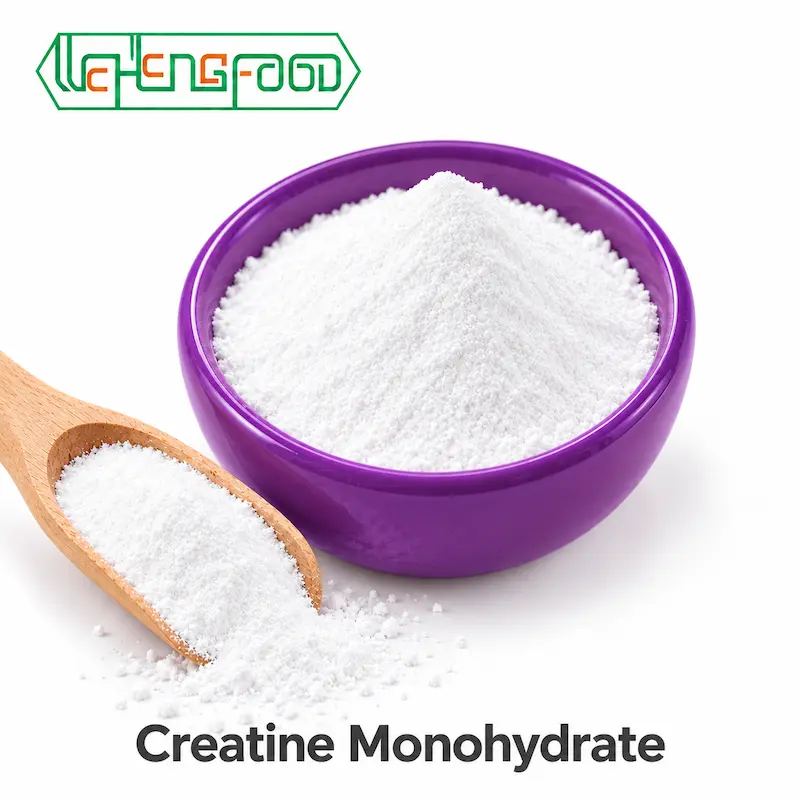
Creatine monohydrate is a naturally occurring nitrogen-containing compound stored mainly in skeletal muscle, where it supports the rapid regeneration of ATP, the energy currency used in short, intense bursts of effort. It is the most widely studied form of creatine and remains the reference ingredient behind most creatine supplements sold worldwide.
If you are asking what is creatine monohydrate from a sourcing point of view: it is a white, odorless, crystalline powder (CAS 6020-87-7, molecular formula C4H9N3O2·H2O) that dissolves in water and blends easily into powders, capsules, tablets, gummies and ready-to-mix drink formulas.
As a China manufacturer, supplier and exporter, WEHENGFOOD supplies pure creatine monohydrate powder in bulk, backed by an annual production capacity of 6,000 MT. Our product is made in a controlled production and testing area with in-house laboratory analysis, and is supported by Halal, Kosher, ISO 22000 and BRCGS certifications, which helps buyers pass retailer and distributor audits.
Two Mesh Sizes for Different Formulations
| Grade | Best suited for |
|---|---|
| 80 mesh | Capsules, tablets, and dry blends where flow and cost efficiency matter |
| 200 mesh (micronized creatine monohydrate) | Drink mixes, pre-/post-workout powders, and gummies where finer particles improve dispersion and mouthfeel |
Many brand owners choose micronized creatine for powder drinks because the finer particle size mixes more smoothly and settles less in the shaker. For capsules and tablets, 80 mesh is a practical choice. If you are unsure which grade fits your product, our technical team can recommend one based on your dosage form and target cost.
Certificate of Analysis
Test Item | Standard | Result | Test Method |
Appearance | White powder | White powder | Visual |
Content Assay (dry basis) | ≥99.5% | 99.80% | USP<621> |
Loss on drying | 10.5-12.0% | 11.70% | USP<731> |
Clarity&Color of Solution | Clear&Colorless 100 | Conformed | CHP2010 |
Creatinine | ≤100ppm | 48ppm | USP<621> |
Dicyandiamide | ≤50ppm | 15ppm | USP<621> |
Any unspecified impurity | ≤0.1% | None-Detectable | USP<621> |
Total unspecified impurities | ≤1.5% | None-Detectable | USP<621> |
Total impurities | ≤2.0% | 0.0048% | USP<621> |
Sulfate | ≤0.03% | Conformed | USP<221> |
Residue on Ignition | ≤0.1% | 0.05% | USP<281> |
Bulk Density | ≥430g/L | 450g/L | USP<616> |
Tapped Density | ≥550g/L | 840g/L | USP<616> |
Test Of Sulfuric Acid | No Carbonation | Conformed | USP<271> |
**Heavy Metals | ≤10ppm | Conformed | USP<231> |
**Lead | ≤0.1ppm | 0.010ppm | AAS |
**Arsenic | ≤1ppm | 0.03ppm | AAS |
**Mercury | ≤0.1ppm | Conformed | AAS |
**Cadmium | ≤1ppm | Conformed | AAS |
Cyanide | ≤1ppm | Conformed | Colorimetry |
Particle size | ≥80% through 80 mesh | 81% | USP<786> |
Total Bacterial Count | ≤100cfu/g | <10cfu/g | USP<2021> |
Yeast & Mould | ≤100cfu/g | <10cfu/g | USP<2021> |
E.Coli | Not detected/10g | Conformed | USP<2022> |
Salmonella | Not detected/10g | Conformed | USP<2022> |
Staphylococcus Aureus | Not detected/10g | Conformed | USP<2022> |
Conclusion | Passed test. |
Functions
Creatine monohydrate is valued in sports nutrition and general wellness products for the following roles:
- Supports high-intensity performance. By helping replenish ATP in muscle cells, creatine supports strength, power and speed during short, explosive exercise such as sprinting, weight training and interval workouts.
- Supports lean muscle growth. When combined with resistance training, creatine is widely used to help increase lean body mass and training volume.
- Supports recovery. Creatine is commonly used to help muscles recover between repeated bouts of intense exercise.
- Muscle cell hydration. Creatine draws water into muscle tissue, which is one reason it is associated with fuller-looking muscles.
- Suitable for many users. Creatine is used by men and women of different ages who train regularly, including athletes, gym-goers and active adults. Creatine is not on the prohibited lists of major sports and fitness organizations.
Note: Claims vary by country. Please make sure label statements for your finished product comply with local regulations (FDA, EFSA, etc.).
Applications
Demand for creatine continues to move beyond plain tubs of powder into new formats. WEHENGFOOD creatine monohydrate is used in:
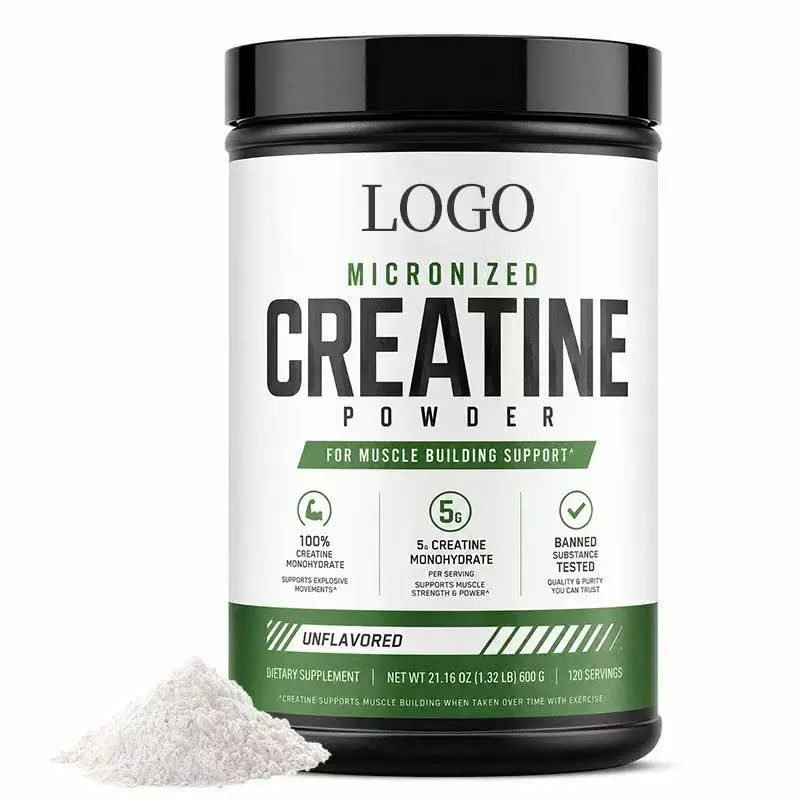
- Creatine powder supplements: unflavored or flavored, single-ingredient or blended with electrolytes, carbohydrates or amino acids (such as BCAA, taurine and L-arginine).
- Creatine capsules and tablets: a convenient option for consumers who prefer not to mix a drink; 80 mesh is typically used here.
- Creatine gummies: one of the fastest-growing formats, popular with consumers who want an easier, tastier way to take creatine daily; 200 mesh gives a smoother texture.
- Creatine for women: products designed for women’s fitness, strength and active-lifestyle positioning, often in lower-dose or flavored formats.
- Sports and functional beverages: ready-to-mix sticks, effervescent tablets and RTD drinks.
- Protein powders and pre-/post-workout blends: added alongside whey or plant protein to build a complete training stack.
- Health products, food and feed: used as an additive in selected nutrition formulas, and in some cosmetic applications.
Factory
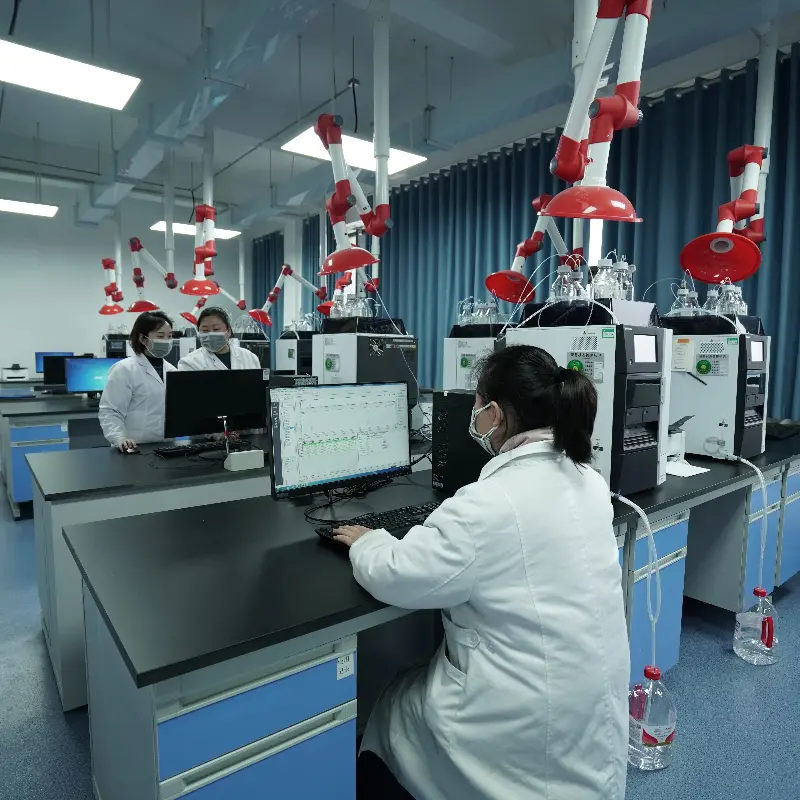
Package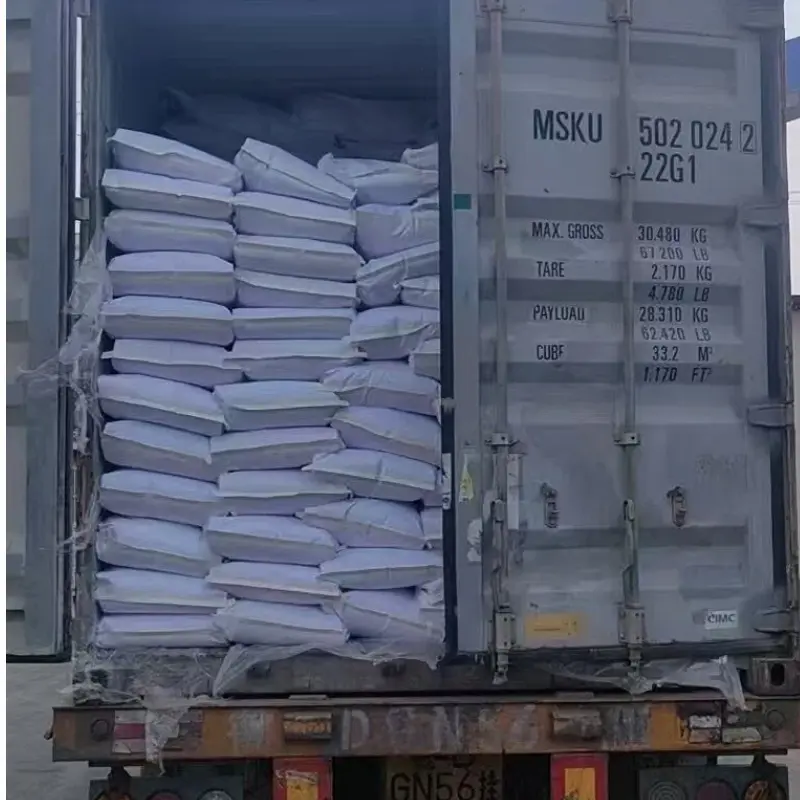
Exhibitions
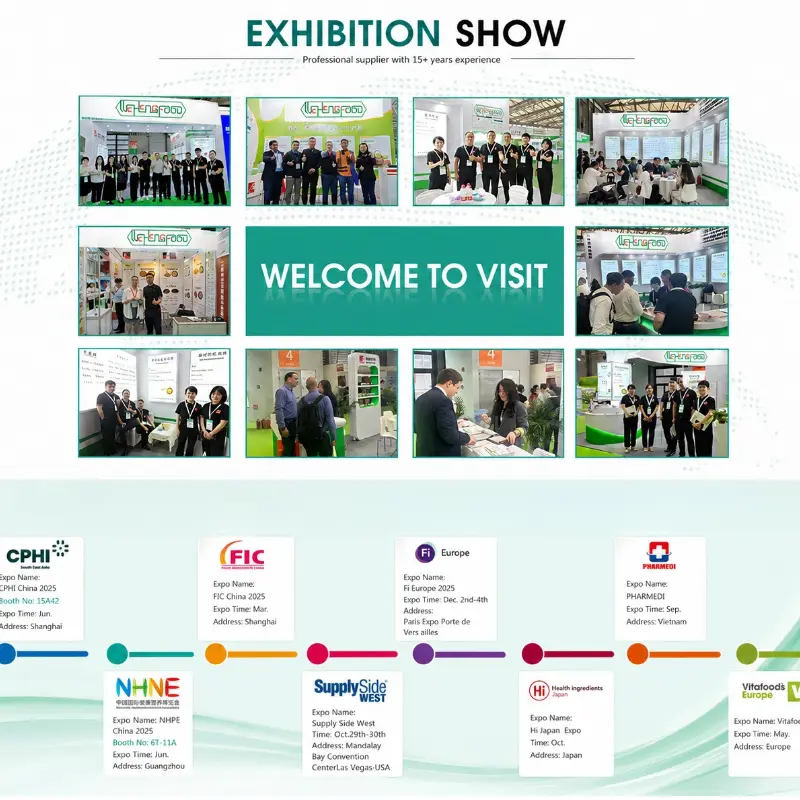
FAQ
Q1. What is the difference between 80 mesh and 200 mesh creatine monohydrate?
The mesh number refers to particle size. 80 mesh is a standard granular powder suited to capsules, tablets and dry blends. 200 mesh is micronized creatine monohydrate, finer and easier to dissolve, which is why it is preferred for drink powders and gummies.
Q2. Is creatine monohydrate safe?
Creatine monohydrate is one of the most researched supplement ingredients, and is generally considered safe for healthy adults when used at recommended doses. Typical daily intake in finished products is around 3–5 g. People with kidney conditions or who take medication should consult a healthcare professional before use.
Q3. How is creatine monohydrate used in finished products?
It is used as a pure powder, filled into capsules, pressed into tablets, added to gummies, or blended into pre- and post-workout drink mixes. Typical serving sizes are 3–5 g per day, but your final dosage should follow your local regulations and product positioning.
Q4. Can WEHENGFOOD supply creatine monohydrate for capsules, tablets and gummies?
Yes. We recommend 80 mesh for capsules and tablets, and 200 mesh for gummies and drink powders. Our team can help you select the right grade for your process.
Q5. What certifications and documents do you provide?
We hold Halal, Kosher, ISO 22000 and BRCGS certifications, and can provide a COA, MSDS, and specification sheet with each order.
Q6. Are you a China supplier of bulk creatine monohydrate, and what is the MOQ?
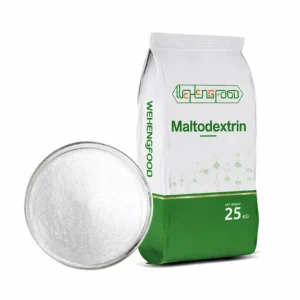
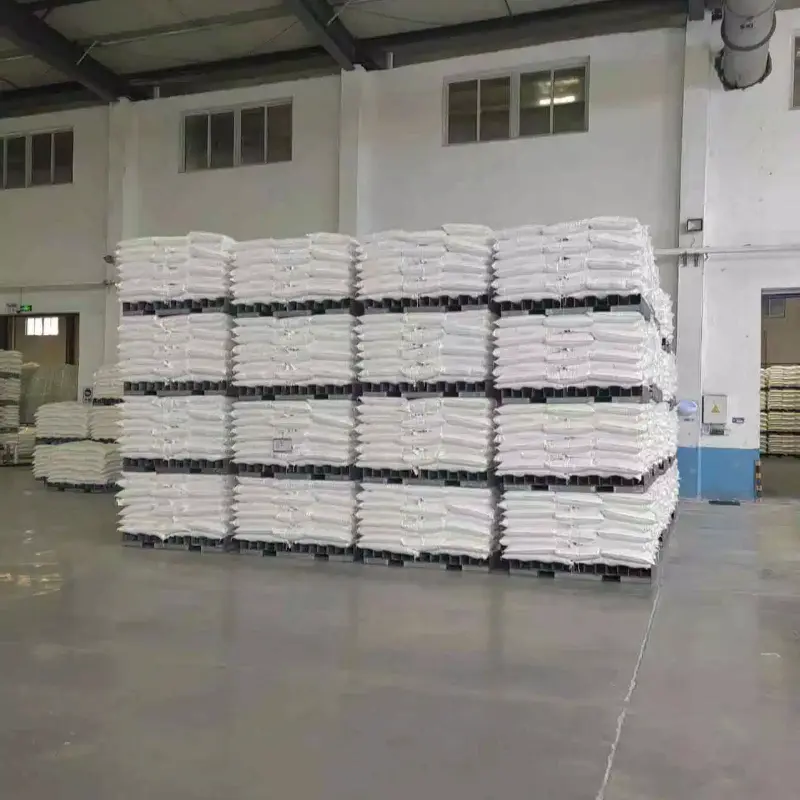
Yes, WEHENGFOOD is a China manufacturer and exporter of bulk creatine monohydrate powder. Our minimum order is 100 KGS, packed in 25 kg cartons.