Product Introduction
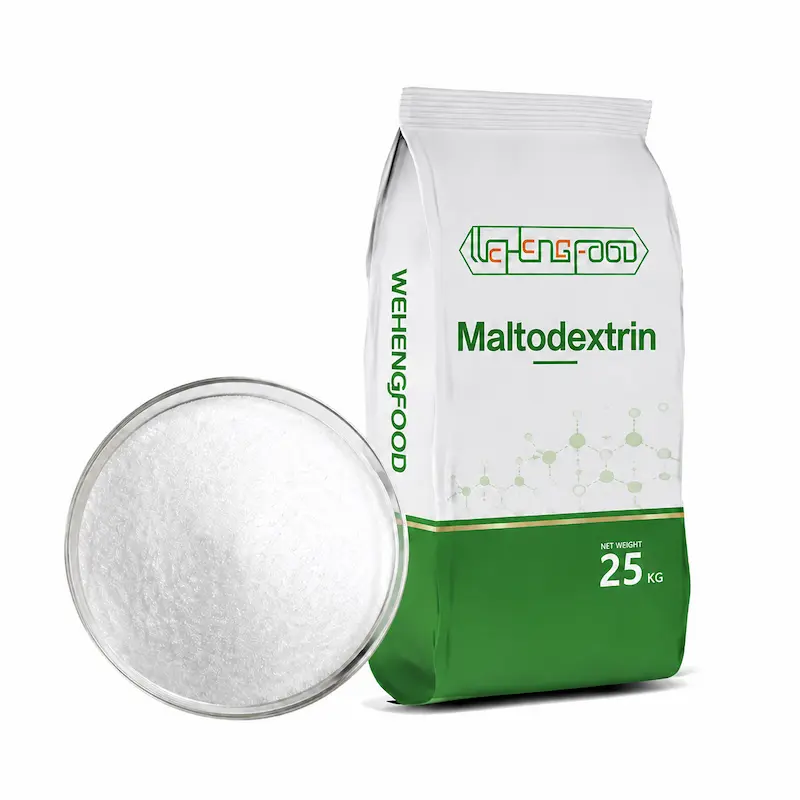
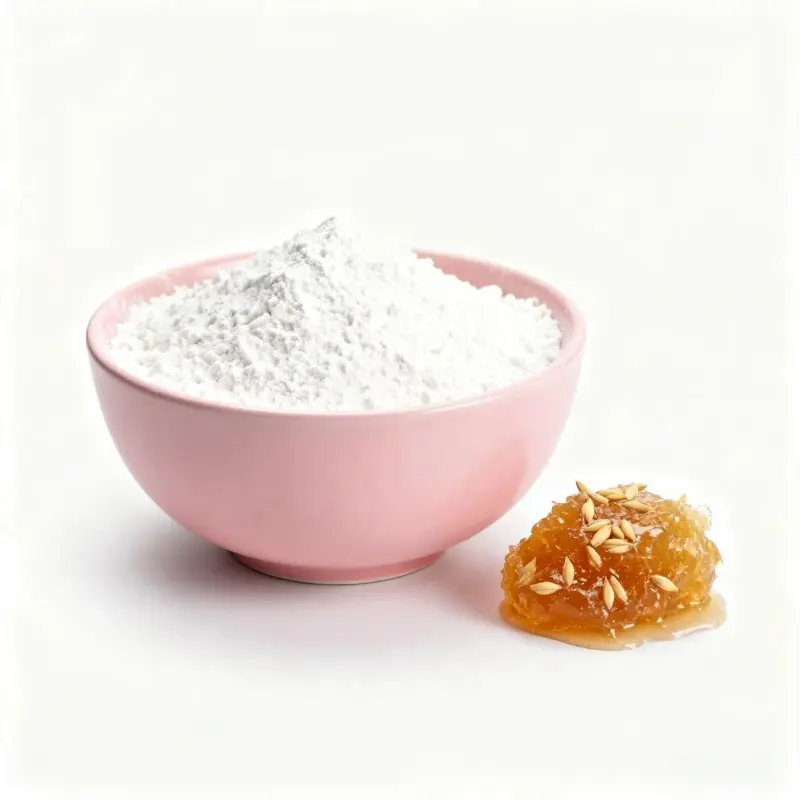
WEHENGFOOD is a professional China maltodextrin manufacturer, exporter, supplier, and factory, producing food-grade Maltodextrin through a controlled enzymatic hydrolysis process — starch is liquefied, saccharified, refined, decolorized, filtered, ion-exchanged, concentrated, and spray-dried into a stable, free-flowing white powder. As one of the specialty ingredients from China’s large-scale corn and starch deep-processing industry, our Maltodextrin is offered in a full range of DE (dextrose equivalent) values — commonly MD10, MD15, and MD20 — to match different application needs, from carrier and bulking functions to viscosity and sweetness control.
Maltodextrin sits between starch and starch sugar on the hydrolysis spectrum, with a DE value under 20. It carries low sweetness, good solubility, low viscosity, strong film-forming and carrying properties, and excellent digestibility — making it a preferred base ingredient for infant formula, dairy powders, sports and clinical nutrition, beverages, confectionery, bakery goods, and spray-dried flavors. As a China food ingredient supplier with modern spray-drying and packaging lines, WEHENGFOOD is able to serve both bulk industrial buyers and smaller trial-order customers.
Backed by our own China maltodextrin factory and quality system (HACCP, ISO, Halal, Kosher — confirm applicable certifications), WEHENGFOOD provides factory-direct pricing, consistent batch-to-batch quality, and full export documentation (COA, MSDS, Certificate of Origin) for international buyers across North America, Europe, Southeast Asia, the Middle East, and beyond.
Key Properties
- Low sweetness, neutral flavor, and low viscosity in solution
- Good film-forming ability — helps prevent product deformation and improves appearance
- Strong carrier and encapsulation performance for sweeteners, flavors, and fillers
- Low hygroscopicity — resists caking during storage
- Good emulsifying and thickening effect for beverages and dairy blends
- Anti-crystallization (“anti-sanding”) effect that stabilizes sugar-containing products
- Easily digested and absorbed, suitable for infant, elderly, and clinical nutrition formulas
Certificate of Analysis
Items | Standard | Test Result |
Appearance | Fine Powder,No Impurity by Naked Eyes. | Pass |
Color | White or slightly yellow powder and no fixed shape | Pass |
Flavor and Odor | Sweetless or slightly sweetness,no other taste. Odorless | Pass |
DE value | 10%- 12% | 11 |
Moisture % | ≤6 | 5 |
PH value | 4.5-6.5 | 5.3 |
Solubility % | ≥98 | 99.2 |
Ash % | <0.5 | 0.08 |
Pb mg/kg | ≤ 0.5 | ≤ 0.5 |
As mg/kg | ≤ 0.5 | ≤ 0.5 |
Sulphur Dioxide | ≤ 10mg/kg | 2.55mg/kg |
Total Bacterium /g | ≤3000cfu/g | 20cfu/g |
Coliform Bacilli /100g | ≤ 30 | ≤ 30 |
E. coliforms | Negative | Negative |
Salmonella | Negative | Negative |
Functions and Usages
Functional & Technical Benefits
Maltodextrin is valued in food manufacturing for its versatile functional properties rather than direct health claims. Key functional benefits include:
- Excellent carrier and encapsulation properties for flavors, colors, and other food additives
- Low sweetness and neutral flavor, allowing other ingredients’ taste to come through clearly
- Good solubility and low viscosity even at high concentrations
- Film-forming ability that improves product texture and appearance
- Anti-caking and anti-crystallization (“anti-sanding”) effect in sugar-containing products
- Bulking and volume-building function that helps reduce formulation costs
- Easily digestible, mild energy source suitable as a base for infant, sports, and clinical nutrition formulas
Applications in Food & Beverage Manufacturing
As a China Maltodextrin factory serving international food brands, WEHENGFOOD’s Maltodextrin is widely used across:
- Infant formula & dairy powder — carrier and bulking agent for spray-dried nutrition powders
- Beverages — powdered drink mixes, sports drinks, instant coffee/tea powders
- Bakery products — bread, cookies, cakes; improves moisture retention and texture
- Confectionery — candy, gummies; controls sweetness and prevents sugar crystallization
- Dairy & frozen desserts — ice cream, yogurt; improves body and mouthfeel
- Sports & clinical nutrition — protein powders, meal replacements, medical nutrition formulas
- Flavor & seasoning encapsulation — spray-dried flavors, seasoning blends, food additive carriers
- Sauces & processed foods — thickening and stabilizing agent
Why Choose WEHENGFOOD as Your Maltodextrin Supplier
- Direct China maltodextrin factory pricing — no trading middlemen
- Reliable, large-scale production capacity to support recurring bulk export orders
- Strict raw-material-to-finished-product quality control
- Experienced China food additive exporter familiar with international shipping, labeling, and documentation requirements
- Flexible DE value, particle size, packaging size, and OEM/private-label options
- Responsive technical support and sample service for new-market buyers
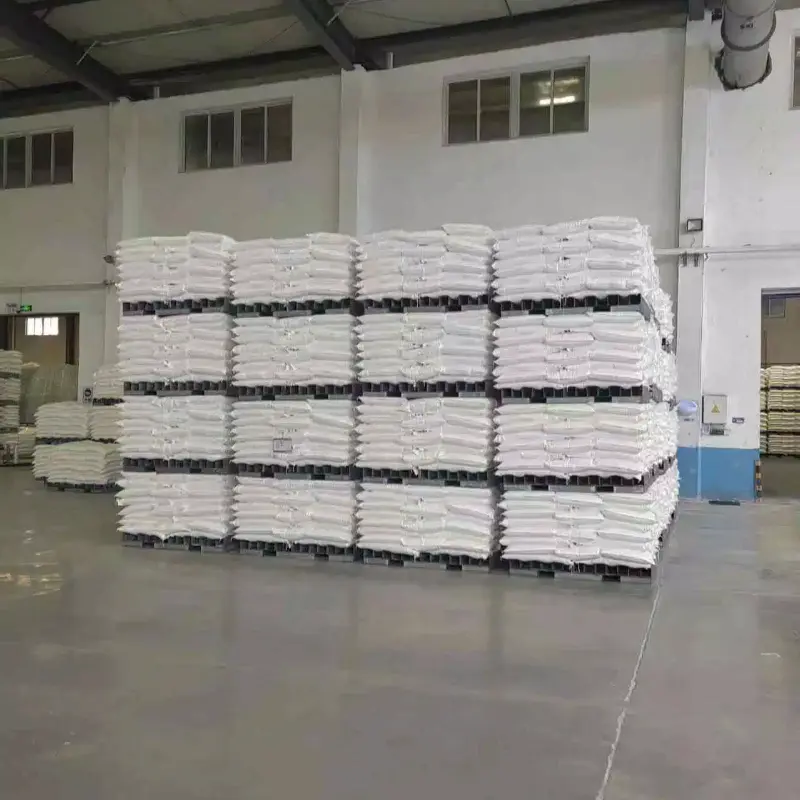
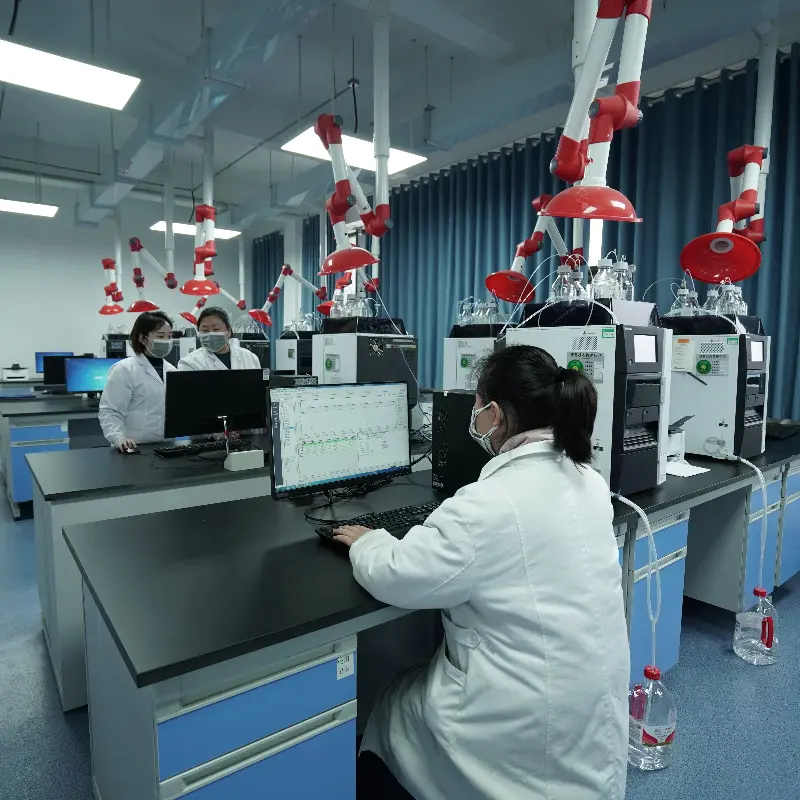
Factory
Package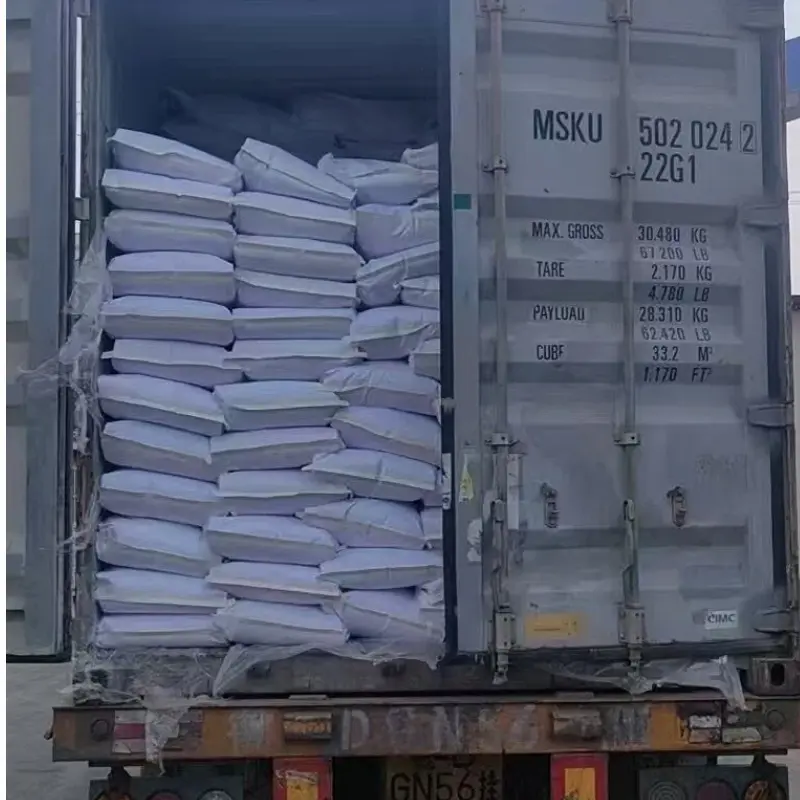
Exhibitions

FAQ
Q1: What is Maltodextrin?
Maltodextrin is a polysaccharide carbohydrate derived from starch (typically corn, tapioca, or potato) through enzymatic hydrolysis. It is produced by liquefying, saccharifying, refining, and spray-drying starch until the desired DE (dextrose equivalent) value below 20 is reached, resulting in a white, free-flowing powder that is nearly odorless and only mildly sweet.
Q2: What is the difference between Maltodextrin and regular sugar (sucrose) or starch?
Unlike sucrose, Maltodextrin has low sweetness (much lower than sugar) and is valued mainly for its functional properties — as a carrier, bulking agent, and texturizer — rather than as a sweetener. Compared with native starch, Maltodextrin is partially hydrolyzed, giving it much better water solubility, lower viscosity, and easier digestibility, while unlike glucose/dextrose it does not taste sweet and has a higher average molecular weight.
Q3: What DE values and grades does WEHENGFOOD supply?
WEHENGFOOD supplies Maltodextrin across a full range of DE values, including MD10, MD15, and MD20 (custom DE ranges available on request). Lower DE grades offer higher viscosity and better film-forming/carrier performance, while higher DE grades are more soluble and slightly sweeter — allowing buyers to select the right grade for their specific application.
Q4: What specifications and packaging are available?
Our Maltodextrin is supplied as a food-grade white powder, with typical specifications including moisture content, pH, and DE value tested to Certificate of Analysis (COA) standards. Standard packaging is 25kg/bag, with customized packaging and private labeling available upon request for bulk export orders.
Q5: Is Maltodextrin gluten-free, Non-GMO, or allergen-free?
Maltodextrin derived from corn is generally gluten-free, and Non-GMO and Halal/Kosher certified options are available from WEHENGFOOD upon request. Buyers with specific allergen, religious, or regulatory requirements are welcome to request the relevant certification documents before placing an order.
Q6: What is the shelf life and storage condition for Maltodextrin?
WEHENGFOOD’s Maltodextrin has a standard shelf life of 2 years from the production date when stored in its original, unopened packaging. It should be kept in a cool, dry, and well-ventilated place, away from direct sunlight and moisture, to maintain product quality and prevent caking.