Product Introduction
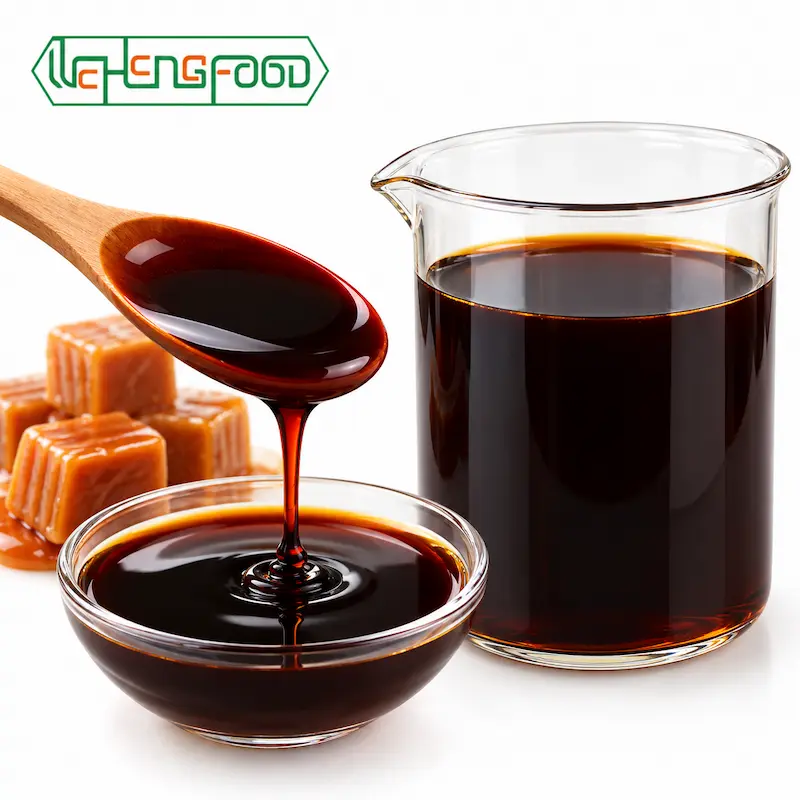
Caramel Color, also known as Caramel Colour, is a widely used food colorant that provides brown, reddish-brown to dark brown shades in food and beverage products. It is commonly used in soy sauce, vinegar, beverages, cola, cooking wine, sauces, confectionery, biscuits, instant foods, seasonings and baked products.
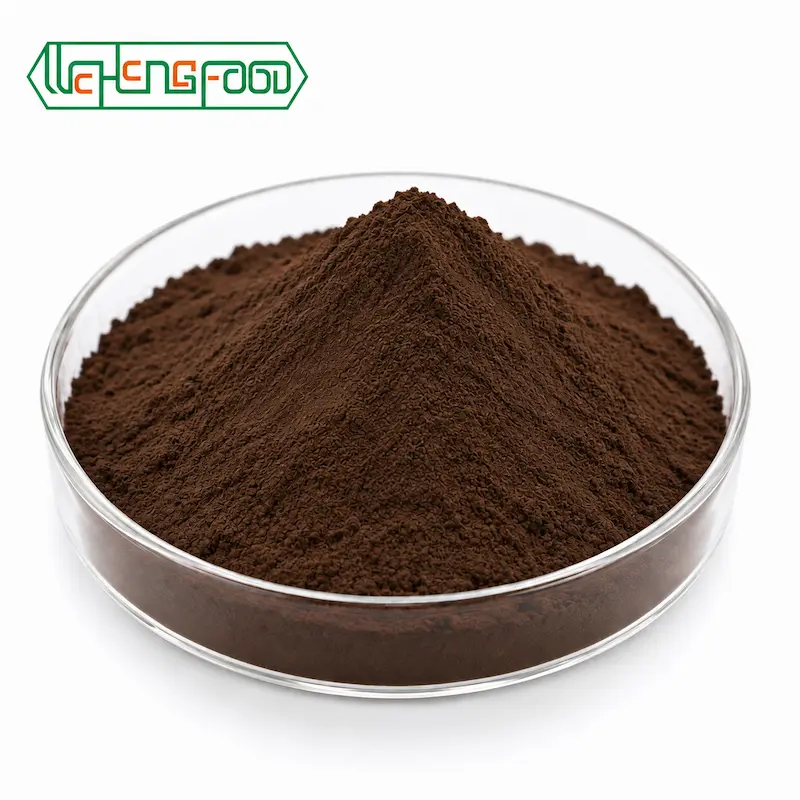
We supply food-grade caramel color in both liquid and powder forms, including the main commercial grades E150a, E150c and E150d. Different grades are available to meet different requirements for color strength, solubility, pH, red index and end-use applications.
The manufacturer’s product range covers standard-process, ammonia-process and ammonia-sulfite-process caramel colors, as well as high-strength liquid grades and caramel color powder.
Among all available grades, E150d Liquid Caramel Color (Class IV / Ammonia-Sulfite Process Caramel Color) is our most popular option. It is especially suitable for soy sauce, dark soy sauce, beverages, cola, compound sauces and industrial seasoning products because of its strong coloring performance, good water solubility and stable dark brown appearance.
The supplied catalogue also lists caramel color products in E150a, E150c and E150d, covering both powder and liquid forms.
Caramel Color Types
| Type | Process | Form | Main Features | Typical Applications |
|---|---|---|---|---|
| E150a Caramel Color | Class I / Standard Process | Liquid & Powder | Natural brown tone, good red shade, good solubility | Soy sauce, vinegar, sauces |
| E150c Caramel Color | Class III / Ammonia Process | Liquid & Powder | Strong brown color, stable coloring performance | Vinegar, cooking wine, seasonings, sauces |
| E150d Caramel Color | Class IV / Ammonia-Sulfite Process | Liquid & Powder | High color strength, dark brown color, good solubility, low dosage | Soy sauce, dark soy sauce, cola, beverages, compound sauces |
Certificate of Analysis
Item | Specification | Result |
Organoleptic Properties | Black or brown viscous liquid, characteristic odour of burnt sugar | Pass |
E₁cm 0.1% (610 nm) Absorbance | 0.245–0.271 | 0.269 |
EBC | 60000–75000 | 70789 |
Colloid Charge | Negative | Negative |
Specific Gravity (25°C) | 1.261–1.291 | 1.263 |
Viscosity (25°C) (cps) | ≤300 | 90.20 |
pH Value | 2.8–3.2 | 3.05 |
Hue Index | ≤5.0 | 4.22 |
Total Yeast and Mould (cfu/g) | ≤20 | Pass |
Total Plate Count (cfu/g) | ≤1000 | Pass |
E. coli (MPN/100 ml) | ≤30 | Pass |
Ammoniacal Nitrogen (as NH₃) (%) | ≤0.5 | Pass |
Sulfur Dioxide (as SO₂) (%) | ≤0.1 | Pass |
Total Nitrogen (as N) (%) | ≤3.3 | Pass |
Total Sulfur (as S) (%) | ≤3.5 | Pass |
Arsenic (as As) (mg/kg) | ≤1.0 | Pass |
Lead (as Pb) (mg/kg) | ≤1.0 | Pass |
Heavy Metal (as Pb) (mg/kg) | ≤25 | Pass |
Mercury (as Hg) (mg/kg) | ≤0.1 | Pass |
Functions of Caramel Color
Caramel color is mainly used as a food coloring and appearance-adjusting ingredient. It provides stable brown to dark brown shades and helps food manufacturers maintain a consistent visual appearance between production batches.
Its main functions include providing brown, reddish-brown or dark brown coloration, improving the visual depth of sauces and beverages, standardizing product appearance, enhancing the characteristic color of soy sauce and seasonings, and offering different color strengths for different food formulations.
Liquid caramel color offers excellent dispersibility in water-based systems, while caramel color powder provides easier handling and blending in dry formulations. Depending on the grade selected, manufacturers can choose products with different absorbance, color strength, pH and red index values. The manufacturer’s specifications show a broad range of grades and color strengths, including conventional and high-strength products.
Applications of Caramel Color
Soy Sauce & Dark Soy Sauce: Caramel color is widely used to create a deep, uniform brown color in soy sauce, dark soy sauce, compound soy sauce and other savory seasonings. E150d liquid caramel color is particularly suitable for industrial soy sauce and sauce production where strong coloring power and good water solubility are required.
Beverages & Cola: Caramel color can be used in cola, soft drinks, malt beverages and other dark-colored beverages. High-strength liquid caramel color helps achieve a stable dark brown appearance while requiring relatively low addition levels.
Vinegar & Cooking Wine: Selected caramel color grades can be used in vinegar, cooking wine and fermented condiment products to adjust color and improve appearance consistency.
Sauces & Seasonings: It is suitable for oyster sauce, barbecue sauce, brown sauce, gravy, compound seasoning sauce, marinades and other savory products requiring brown coloration.
Bakery & Biscuits: Both liquid and powder caramel color can be used in biscuits, cookies, cakes and baked foods. Caramel color powder is especially convenient for dry premixes.
Confectionery & Candy: Powder and liquid grades can be used in candies, gummies, chocolate-flavored products and other confectionery applications where a brown or dark tone is required.
Instant Noodles & Soups: Caramel color can be incorporated into seasoning powders, soup bases and instant noodle flavor systems to help create the desired finished-product color.
Dairy & Frozen Desserts: Suitable grades may also be used in ice cream and other processed foods where brown coloring is required. The supplied brochure specifically lists applications including candy, ice cream, biscuits, sauces and similar foods for powder caramel color.
Factory
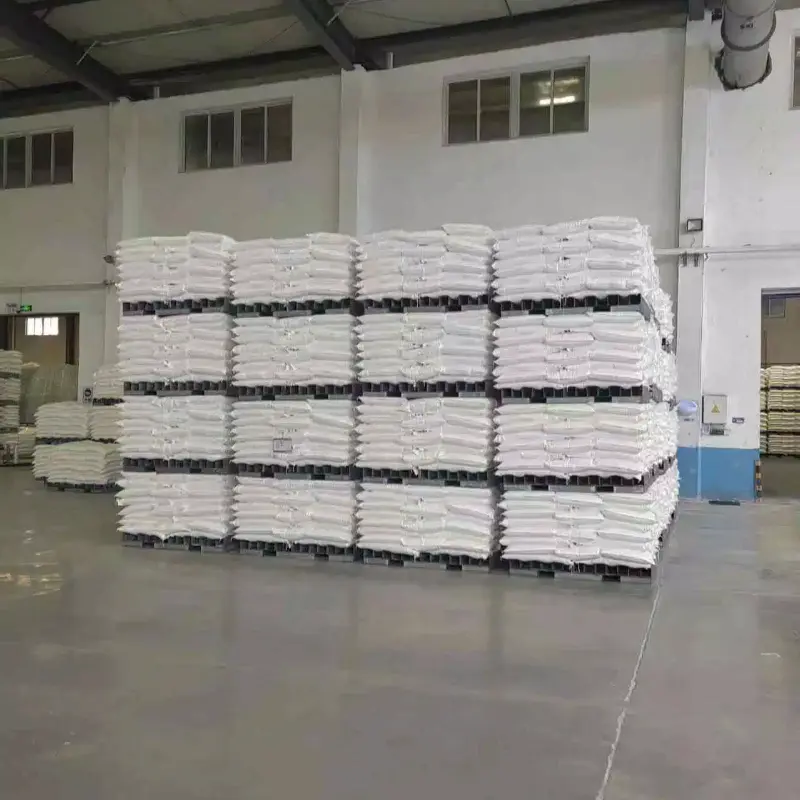
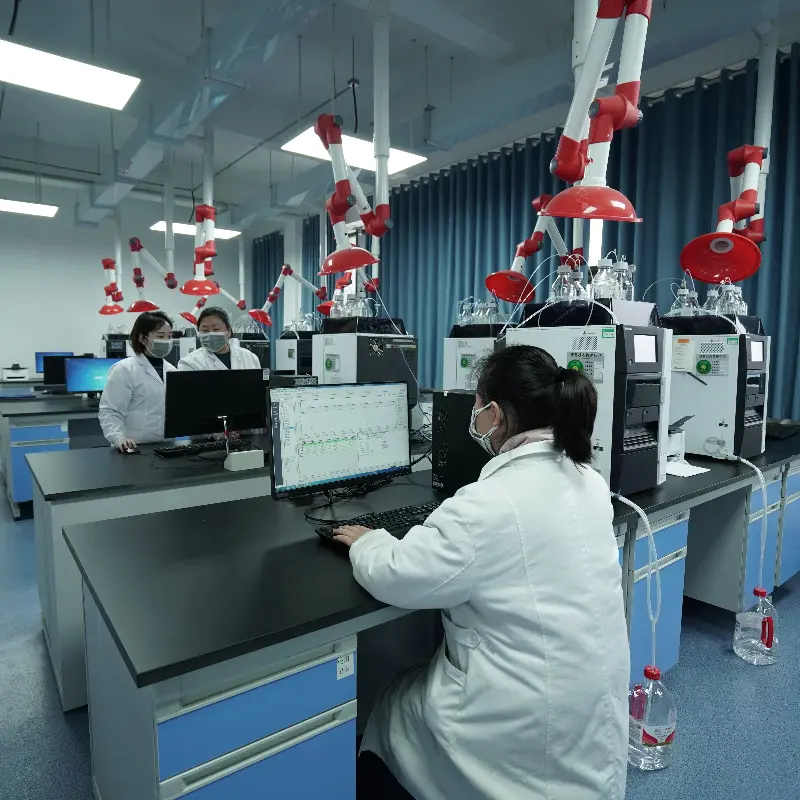
Package
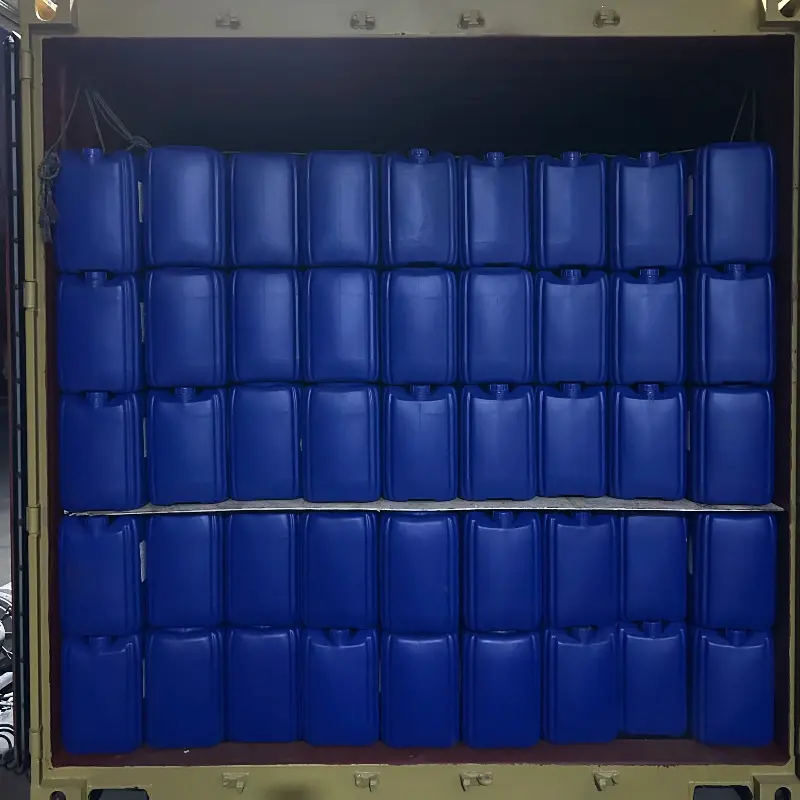
Exhibitions

FAQ
1. What is caramel color?
Caramel color is a widely used food coloring that provides yellow-brown to dark brown shades in foods and beverages. It is commonly available as caramel color powder and liquid caramel color. Different caramel color grades are selected according to the formulation, required color strength and application.
2. What is the difference between E150a, E150c and E150d caramel color?
E150a, E150c and E150d are different classes of caramel color produced using different manufacturing processes. E150a is commonly known as plain caramel, E150c as ammonia caramel, and E150d as sulfite ammonia caramel. Their color strength, charge characteristics and suitable applications may differ, so food manufacturers should select the appropriate grade according to their formulation requirements.
3. Do you supply both caramel color powder and liquid caramel color?
Yes. We can supply caramel color in both powder and liquid forms for different food-processing requirements. Powder caramel color is convenient for dry blends, seasonings and products where easy storage and handling are important, while liquid caramel color is widely used in sauces, beverages, condiments and other liquid formulations.
4. What are the main applications of caramel color?
Caramel color is widely used in soy sauce, vinegar, sauces, seasonings, soft drinks, bakery products, confectionery, processed foods and other food applications. It helps manufacturers achieve a consistent brown or dark brown appearance while adapting to different processing systems.
5. Which type of caramel color is the most popular?
Among the commonly supplied grades, liquid Caramel Color E150d is one of the most popular choices for industrial food and beverage applications. The supplied E150d is a black or brown viscous liquid with a negative colloid charge, and the referenced COA shows an EBC value of 70,789. COA-Caramel Color E150d-(Ruich) It is especially suitable for buyers looking for strong, consistent dark-brown coloring performance.
6. How can I choose the right caramel color for my product?
The right grade depends on your product type, desired color shade, formulation, pH, processing conditions and whether powder or liquid caramel color is preferred. When contacting a caramel color manufacturer or supplier in China, you can provide your application—such as soy sauce, beverage, seasoning or sauce—so the supplier can recommend a suitable E150a, E150c or E150d caramel color and provide samples for testing.