Product Introduction
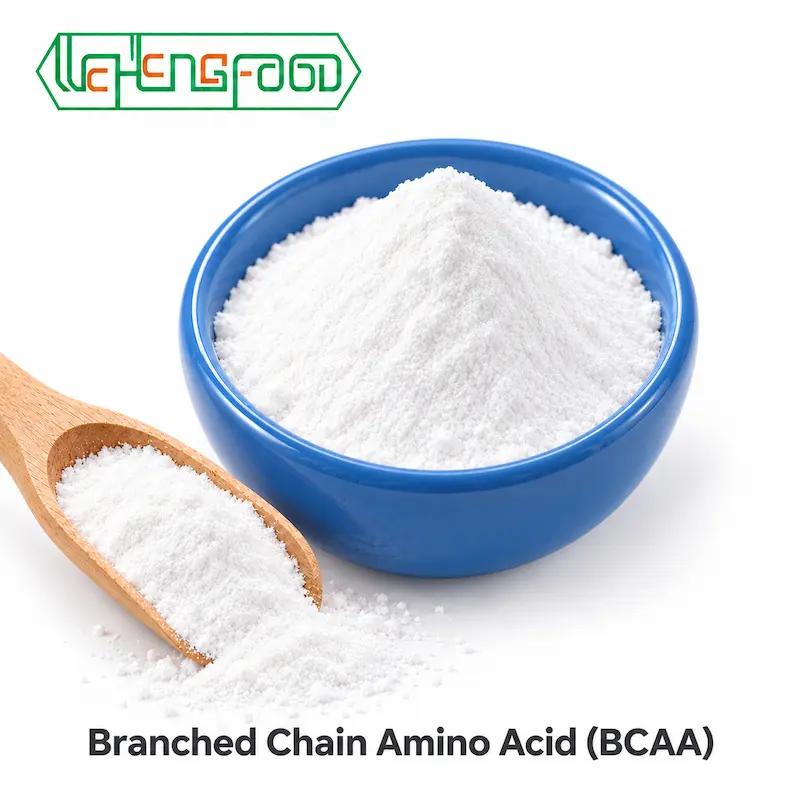
BCAA stands for branched-chain amino acids: L-Leucine, L-Isoleucine and L-Valine. They are three of the nine essential amino acids, which means the body cannot make them and they must come from food or supplements. Their name comes from the branched side chain in their molecular structure. Unlike most amino acids, BCAAs are metabolized mainly in skeletal muscle rather than in the liver. This is why they have become a core ingredient in sports nutrition, where they are linked to training, recovery and muscle maintenance.
As a China BCAA manufacturer, supplier and exporter, WEHENGFOOD supplies BCAA powder in the three most requested ratios. The BCAA 2:1:1 ratio (2 parts leucine to 1 part each of isoleucine and valine) is the industry standard and the most widely used. Higher-leucine formulas such as 4:1:1 and 8:1:1 suit brands that want to emphasize leucine, the amino acid most closely associated with triggering muscle protein synthesis. We also offer instantized grades for better dispersibility in water and shakes, and we can adjust the blend to your formulation.
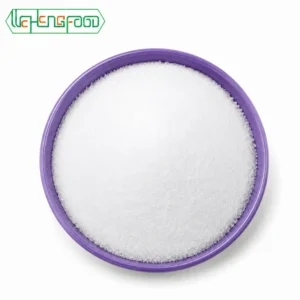
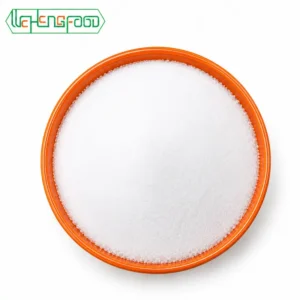
BCAA is a white, crystalline powder with a naturally bitter taste, which is mainly due to leucine. Manufacturers usually balance it with acidulants, sweeteners and flavors in ready-to-mix powders, or use capsules and tablets to avoid taste issues. Our technical team can advise on flavor masking and solubility for your finished product.
Certificate of Analysis
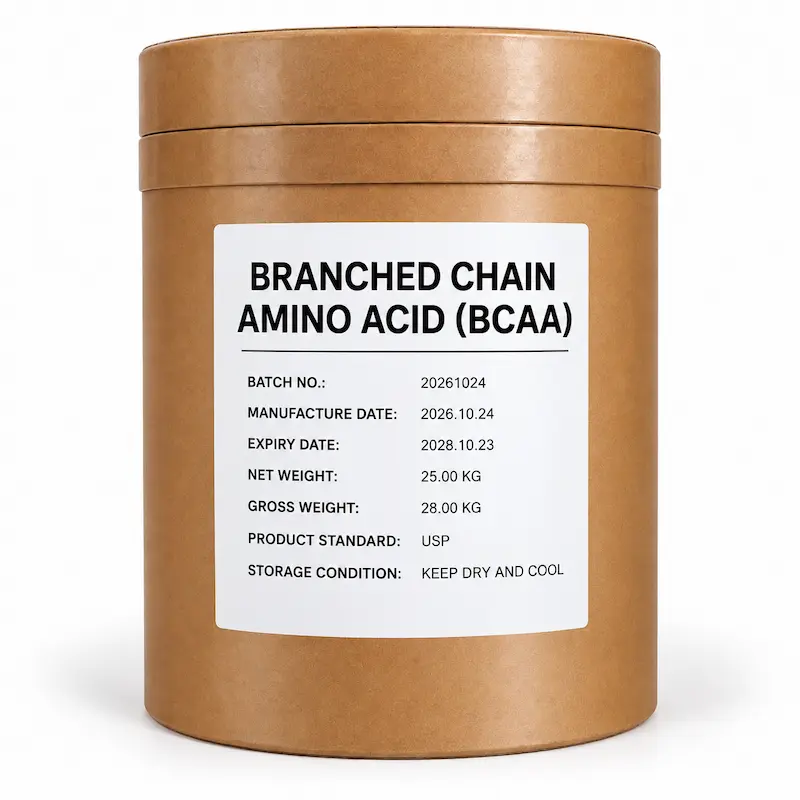
Item | Specification | Result |
Appearance | White fine powder | Conforms |
Assay of L-Leucine | 46.0–54.0% | 51.0% |
Assay of L-Isoleucine | 22.0–27.0% | 23.9% |
Assay of L-Valine | 22.0–27.0% | 24.2%° |
Lecithin | 0.3–1.0% | 0.8% |
Heavy metals | ≤10 ppm | Conforms |
Pb | ≤0.5 ppm | Conforms |
Arsenic (As2O3) | ≤1 ppm | Conforms |
Loss on drying | ≤1.0% | 0.12% |
Residue on ignition | ≤0.40% | 0.07% |
Particle size range | 95% through 80 mesh | Conforms |
Total plate count | ≤1000 cfu/g | Conforms |
Yeast & Mold | ≤100 cfu/g | Conforms |
E. Coli | Negative | Negative |
Salmonella | Negative | Negative |
Staphylococcus aureus | Negative | Negative |
BCAA vs Protein and EAA
Buyers often search for “BCAA protein”, so the difference is worth stating clearly. BCAAs are free-form amino acids, not a complete protein. Whey protein is a complete protein that already contains BCAAs, along with the other essential amino acids. BCAA powder is absorbed quickly and has no protein bulk, which makes it a good fit for intra-workout drinks and light recovery products. Whey protein suits meal-replacement and muscle-building products.
The same logic applies to EAA. Essential amino acid formulas contain all nine essential amino acids, while BCAA contains only three. Research suggests BCAAs alone are less effective at driving muscle protein synthesis than a complete EAA blend or protein source, because the remaining amino acids are also needed. For this reason, many brands now offer both and compare BCAA vs EAA on the label. WEHENGFOOD supplies BCAA together with other single amino acids, so you can build either formula from one supplier.
Functions and Benefits
Supports muscle recovery. BCAAs are used by working muscle during exercise. Supplementing them is a common strategy for athletes who want to support recovery between sessions and reduce the perception of muscle soreness.
Supports muscle protein synthesis. Leucine activates the mTOR pathway, which regulates muscle protein building. This is why leucine-rich ratios are popular in muscle-building products.
Helps maintain lean muscle. As essential amino acids, BCAAs are often included in formulas for people who are dieting or training in a fasted state and want to protect lean mass.
Supports energy and endurance. During prolonged exercise, muscles can use BCAAs as a supplementary fuel. This is why BCAA energy drinks, which combine BCAAs with caffeine or other energizing ingredients, are common in the market, along with BCAA pre workout products.
Works well in combination formulas. BCAA is widely paired with glutamine for recovery and with creatine for strength and performance. These ingredients work through different mechanisms, so BCAA and creatine or BCAA glutamine blends are standard in sports nutrition.
Uses and Applications
- Sports nutrition powders: intra-workout and recovery mixes, the main use for BCAA powder
- Ready-to-drink beverages: BCAA sports drinks and amino acid waters
- Capsules and tablets: convenient BCAA supplements for gym and retail channels
- Protein and meal-replacement products: added to whey and plant-protein formulas to raise leucine content
- Products for women: the formulation is the same as for men, but brands often use lighter flavors, lower doses and beauty or wellness positioning
- Clinical and elderly nutrition: formulas designed to help maintain muscle in older adults
- Private label and OEM supplements: custom ratios, flavors and packaging
Factory
Package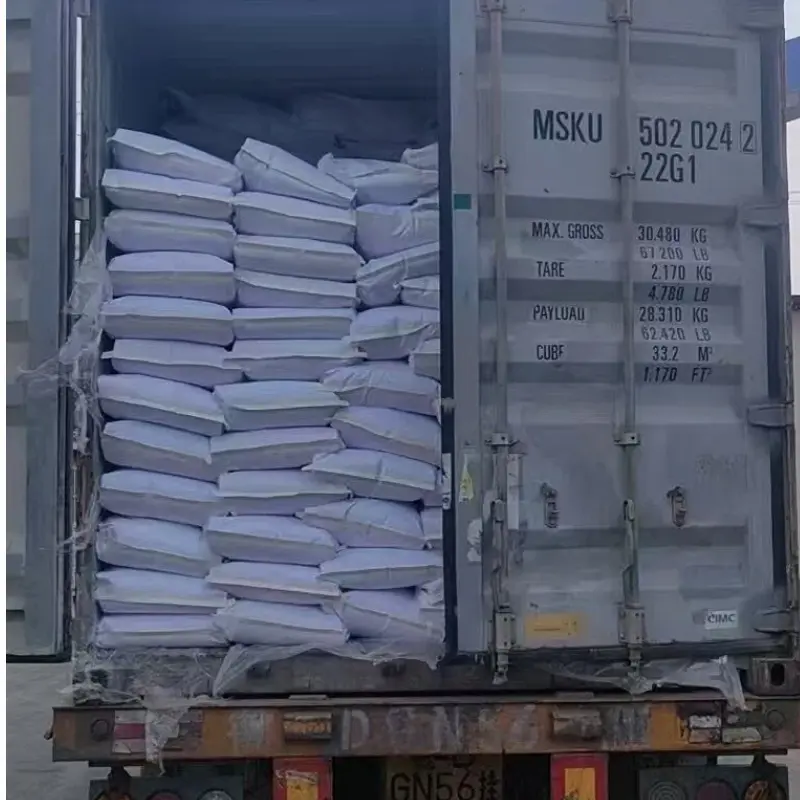
Exhibitions

FAQ
Q1: What is BCAA?
BCAA stands for branched-chain amino acids: L-Leucine, L-Isoleucine and L-Valine. They are essential amino acids, so the body cannot make them and they must come from food or supplements. BCAAs are metabolized mainly in muscle, which is why they are widely used in sports nutrition and recovery products.
Q2: What is the difference between BCAA and EAA?
BCAA contains three essential amino acids, while EAA contains all nine. Research suggests BCAAs alone are less effective for muscle protein synthesis than a complete EAA blend or whey protein. BCAA remains popular for intra-workout drinks because it is light, dissolves easily and costs less.
Q3: What are the benefits of BCAA powder?
BCAA powder supports muscle recovery after exercise, helps maintain lean muscle during dieting or fasted training, and provides supplementary fuel during prolonged exercise. It is common in pre-workout, intra-workout and BCAA energy drink formulas.
Q4: What do the BCAA ratios 2:1:1, 4:1:1 and 8:1:1 mean?
The ratio shows the parts of leucine to isoleucine to valine. 2:1:1 is the industry standard. 4:1:1 and 8:1:1 contain more leucine and suit products that highlight leucine content, though they taste more bitter. WEHENGFOOD supplies all three ratios and can customize blends.
Q5: Is BCAA safe, and can it be combined with creatine or glutamine?
BCAAs are generally well tolerated at typical supplement doses. People with maple syrup urine disease should avoid them. BCAA is commonly formulated with creatine and glutamine because they work through different mechanisms. Consumers with a medical condition should consult a healthcare professional.
Q6: Are you a reliable China BCAA supplier and exporter?
Yes. WEHENGFOOD is a China BCAA manufacturer, supplier and exporter serving sports nutrition and supplement brands worldwide. Our minimum order quantity is 100 KGS.