Product Introduction
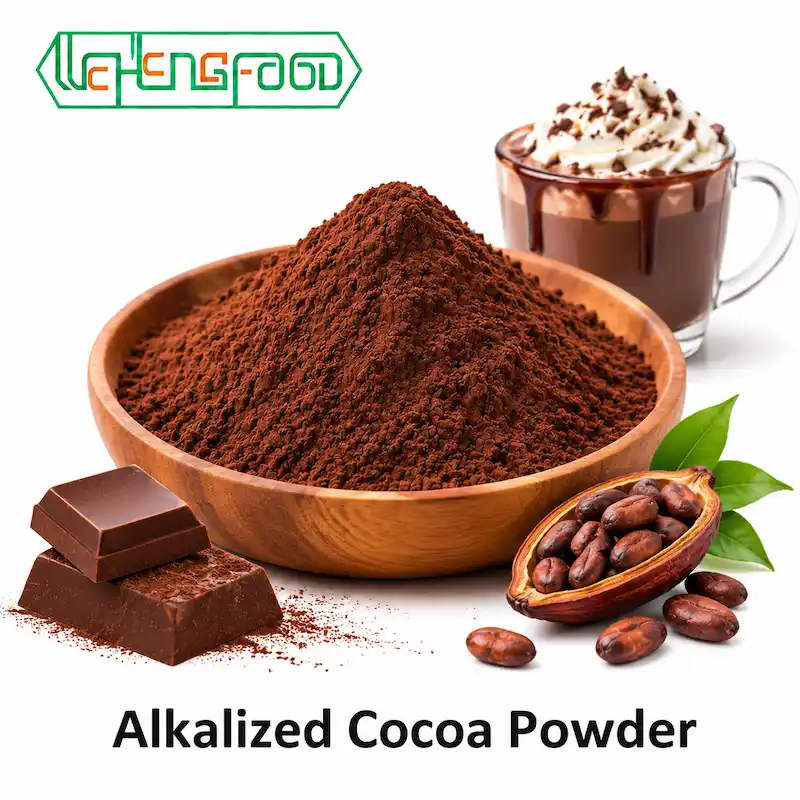
WEHENGFOOD is a China supplier, manufacturer and exporter of bulk alkalized cocoa powder, also known as Dutch cocoa powder or dutch processed cocoa powder. It is made from cocoa nibs that are ground into cocoa liquor, treated with an alkaline solution, pressed to remove part of the cocoa butter, and milled into a fine, unsweetened brown powder.
The alkalizing step is what separates it from natural cocoa. It raises the pH, deepens the color from light brown to dark brown or near-black, and softens the sharp acidity and bitterness of the cocoa bean. The result is a smoother, rounder chocolate flavor that disperses easily in liquids, which is why food manufacturers choose it for dark-colored bakery products, beverages and frozen desserts.
We supply five specifications covering two fat levels (4-8% and 10-12%) and four alkalization levels. This lets buyers match color intensity, flavor and fat content to their formulation instead of settling for one generic grade.
Product Specifications
| Product | Fat Content | Color / Alkalization Level |
|---|---|---|
| Light Alkalized Cocoa Powder 4-8% Fat | 4-8% | Light |
| Heavily Alkalized Cocoa Powder 4-8% Fat | 4-8% | Heavily alkalized (deep dark brown) |
| Light Alkalized Cocoa Powder 10-12% Fat | 10-12% | Light |
| Alkalized Cocoa Powder 10-12% Fat | 10-12% | Medium dark |
| Dark Alkalized Cocoa Powder 10-12% Fat | 10-12% | Dark |
Particle size, pH, moisture, microbiological limits and color values are provided on the COA for each batch. Custom specifications are available on request.
What Is Alkalized Cocoa Powder?
Alkalized cocoa powder is cocoa powder that has been treated with an alkali, typically potassium carbonate, during processing. The method originated in the Netherlands in the 19th century, which is why it is called Dutch-process cocoa. Alkalization raises the pH of natural cocoa (around 5.0-6.0) toward neutral or slightly alkaline, depending on the degree of treatment.
The deeper the alkalization, the darker the color and the milder the flavor. Light alkalized cocoa keeps more of the fruity cocoa character, while dark and heavily alkalized grades give a strong color and a mellow, classic chocolate taste. Heavily alkalized powder is what many bakers call black cocoa powder, the ingredient behind the very dark color of chocolate sandwich cookies and devil’s food cakes.
Certificate of Analysis
Item | Specification | Result |
Color | Brown | Standard |
Fat content | 10%-12% | 11.56% |
PH Value | 7.0-7.8 | 7.32 |
Moisture | ≤5% | 3.18% |
Fineness (though 200mesh) | ≥98% | 99.18% |
Total Ash | ≤14% | 13.58% |
Total plate count | ≤5000cfu/g | 620cfu/g |
Yeast count | ≤50cfu/g | 35cfu/g |
Mould count | ≤50cfu/g | 43cfu/g |
E-coli | Negative | Negative |
Salmonella | Negative | Negative |
Staphylococcus | Negative | Negative |
Pathogenic Bateria | Negative | Negative |
Conclusion | The product conforms to corporation standard. | |
Functions and Benefits
- Rich, stable color: gives consistent brown to deep-black color in finished products, and holds color better during baking and storage.
- Smooth chocolate flavor: reduces acidity and astringency for a rounder taste with less bitterness.
- Better dispersibility: mixes more easily into milk, water and batters, with less settling in ready-to-drink beverages.
- Flexible fat levels: 4-8% fat suits dry mixes, fillings and cost-sensitive formulations; 10-12% fat adds a fuller mouthfeel and richer chocolate impression.
- Consistent supply: batch-to-batch color and quality control for industrial buyers.
Applications
- Bakery: cakes, brownies, chocolate cookies and sandwich biscuits, muffins, bread and cake mixes.
- Beverages: hot chocolate and instant cocoa mixes, chocolate milk, malted drinks, protein shakes, ready-to-drink beverages.
- Frozen desserts: chocolate ice cream, popsicles, frozen yogurt.
- Confectionery: chocolate coatings, compound chocolate, fillings, fudge, spreads and cocoa-flavored candies.
- Dairy and desserts: chocolate puddings, mousse, flavored milk and yogurt.
- Cereals and snacks: cocoa-coated cereals, granola, snack dusting.
How to Choose a Grade
- For a dark, dramatic color in cookies or cakes, choose Dark or Heavily Alkalized.
- For a milder color and more cocoa character, choose Light Alkalized.
- For drinks and ice cream where mouthfeel matters, choose the 10-12% fat grades.
- For dry mixes and fillings where cost control and low fat matter, choose the 4-8% fat grades.
Cocoa Powder vs. Cacao Powder vs. Organic Cocoa
Cacao powder is usually made from cold-pressed, unroasted beans and is not alkalized. It is a different product from Dutch-process cocoa, with a more bitter, acidic taste. Organic cocoa powder refers to how the beans were farmed and certified, not to how the powder is processed. Alkalization and organic status are independent: a cocoa powder can be natural or alkalized, and organic or conventional. Tell us if you need a specific certification and we will confirm what we can supply.
Factory
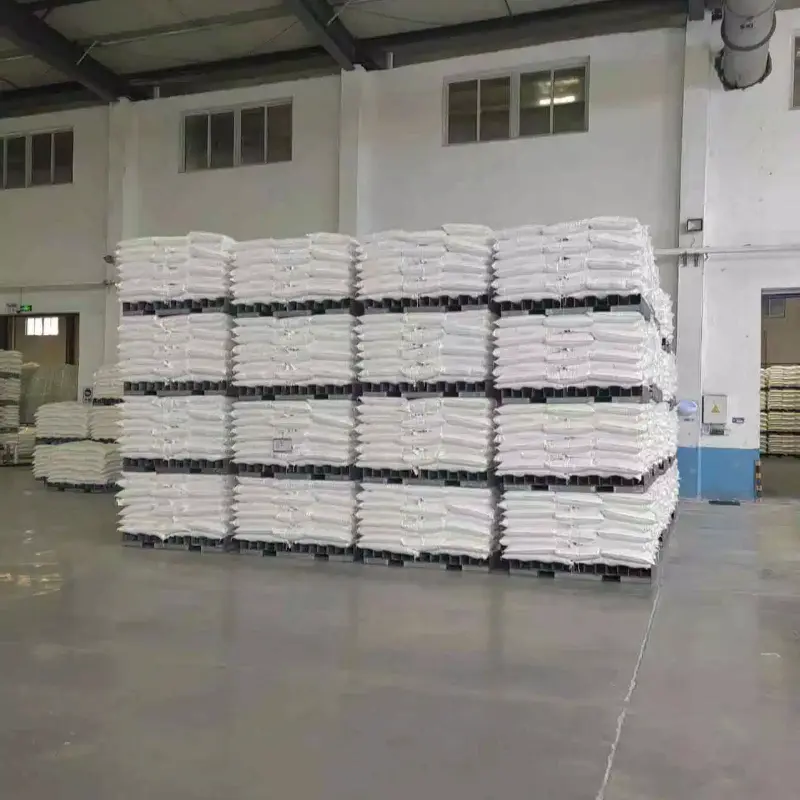

Package

Exhibitions

FAQ
Q1: What is alkalized cocoa powder, and how is it different from natural cocoa powder?
Alkalized cocoa powder, also called Dutch cocoa powder or dutch processed cocoa powder, is unsweetened cocoa that has been treated with an alkali to raise its pH. This gives it a darker color, a smoother and less bitter flavor, and better dispersion in liquids. Natural cocoa powder (non-alkalized) is acidic, lighter in color, and has a sharper, fruitier taste.
Q2: Can I replace natural cocoa powder with alkalized cocoa powder in a recipe?
Not always one for one. Natural cocoa is acidic and reacts with baking soda to help the batter rise, while alkalized cocoa is neutral to alkaline and does not provide that reaction. If a recipe relies on baking soda and natural cocoa, switching to alkalized cocoa usually requires adjusting the leavening, for example by using baking powder. For industrial formulations, we recommend a small trial batch before scaling up.
Q3: What is black cocoa powder, and which of your grades is closest to it?
Black cocoa powder is a heavily alkalized cocoa with a very deep, near-black color and a mild, low-bitterness flavor. It is widely used in chocolate sandwich cookies, dark cakes and brownies. Our Heavily Alkalized Cocoa Powder (4-8% fat) is the closest match, while the Dark Alkalized grade (10-12% fat) suits products that need a dark color with a fuller chocolate mouthfeel.
Q4: What is the difference between 4-8% fat and 10-12% fat cocoa powder?
Fat content affects mouthfeel, flavor richness and cost. The 10-12% fat grades give a creamier texture and richer chocolate impression, making them popular for beverages, ice cream and premium bakery. The 4-8% fat grades are leaner, flow better in dry mixes, and are often chosen for fillings, cocoa-flavored coatings and cost-sensitive formulations.
Q5: Which applications is alkalized cocoa powder best suited for?
It is widely used in cakes, brownies and cookies, instant cocoa and chocolate milk mixes, ready-to-drink beverages, chocolate ice cream and frozen desserts, puddings, fillings, chocolate coatings and cocoa-coated cereals. Its color stability and good dispersibility make it especially useful where a consistent dark appearance matters.
Q6: Are you a China manufacturer and exporter of bulk alkalized cocoa powder, and what is the minimum order?
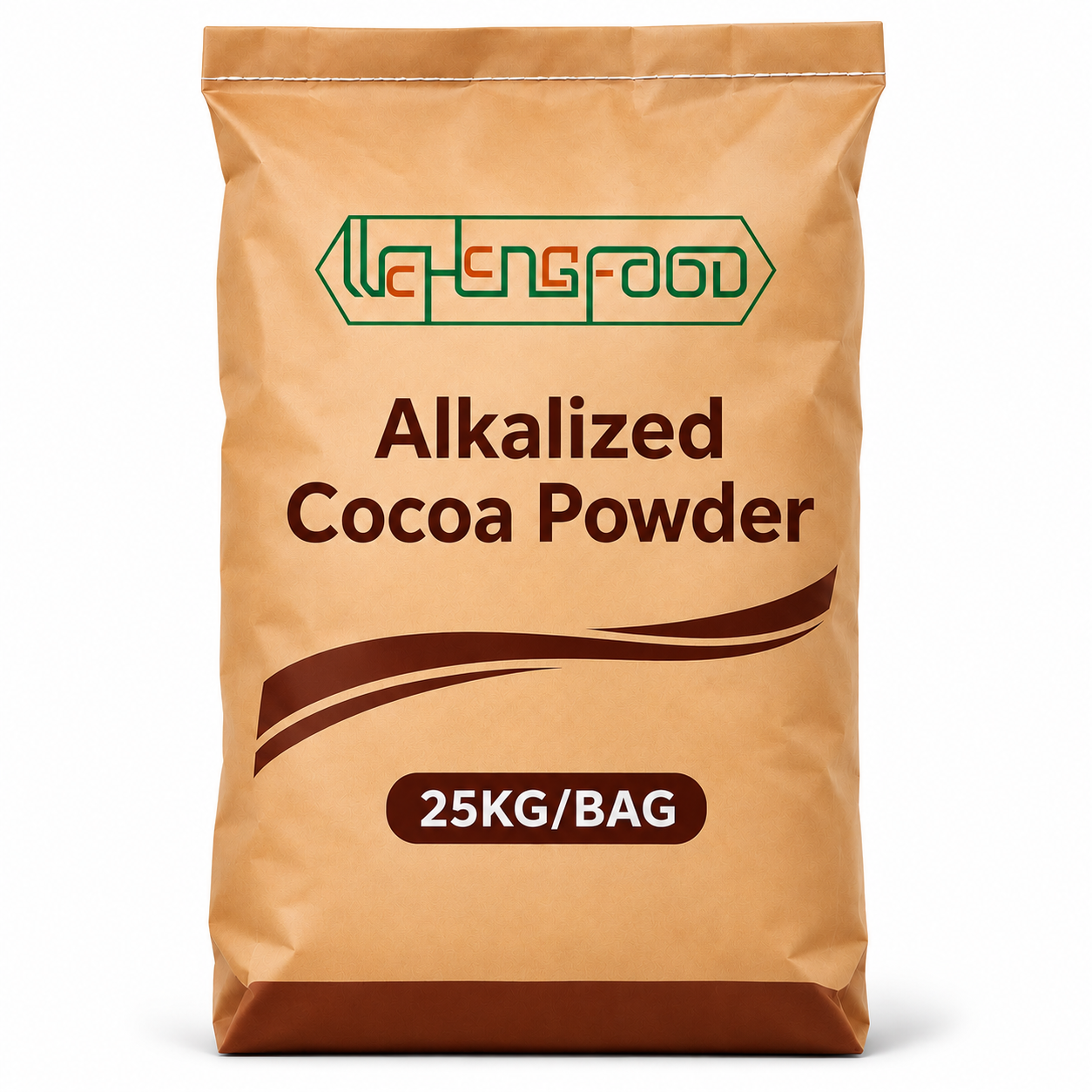
Yes. WEHENGFOOD is a China supplier and exporter of bulk alkalized cocoa powder, offering light, medium dark, dark and heavily alkalized grades in 4-8% and 10-12% fat. The minimum order quantity is 15 MT per 20′ FCL. Goods are packed for export, and a COA is provided with each batch.