
How to Choose Soy Protein Isolate: Specs, Grades & Buyer's Guide
WEHENGFOOD supplies bulk food-grade Soy Protein Isolate for protein powder, beverage, meat, bakery, and plant-based food manufacturers. For product specifications, samples, pricing, or bulk orders, please contact us at nancy@wehengfood.com.
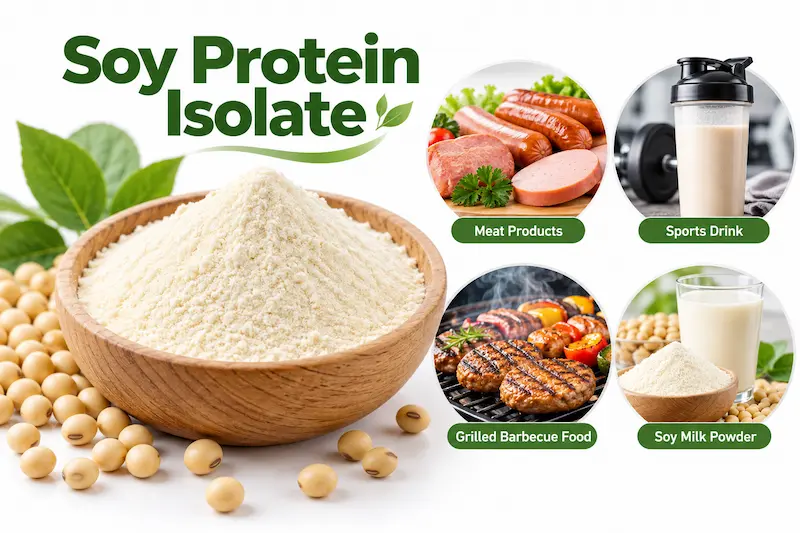
Search interest in protein powder, soy protein isolate powder, and vegan protein keeps climbing, and so does the number of soy protein isolate grades on the market. On paper they look alike — most quote "90% protein" — yet one grade foams in a shake, another gels perfectly in a ham injection brine, and a third leaves a gritty, beany finish. Choosing well means matching the grade's functionality, flavor, and documentation to your application, not just reading the protein number. This guide walks through what soy protein isolate is, how it is made, which specifications matter on a COA, how to pick the right grade, and how it compares with whey, pea, and soy protein concentrate.
What Is Soy Protein Isolate?
From Soybean to Isolated Soy Protein
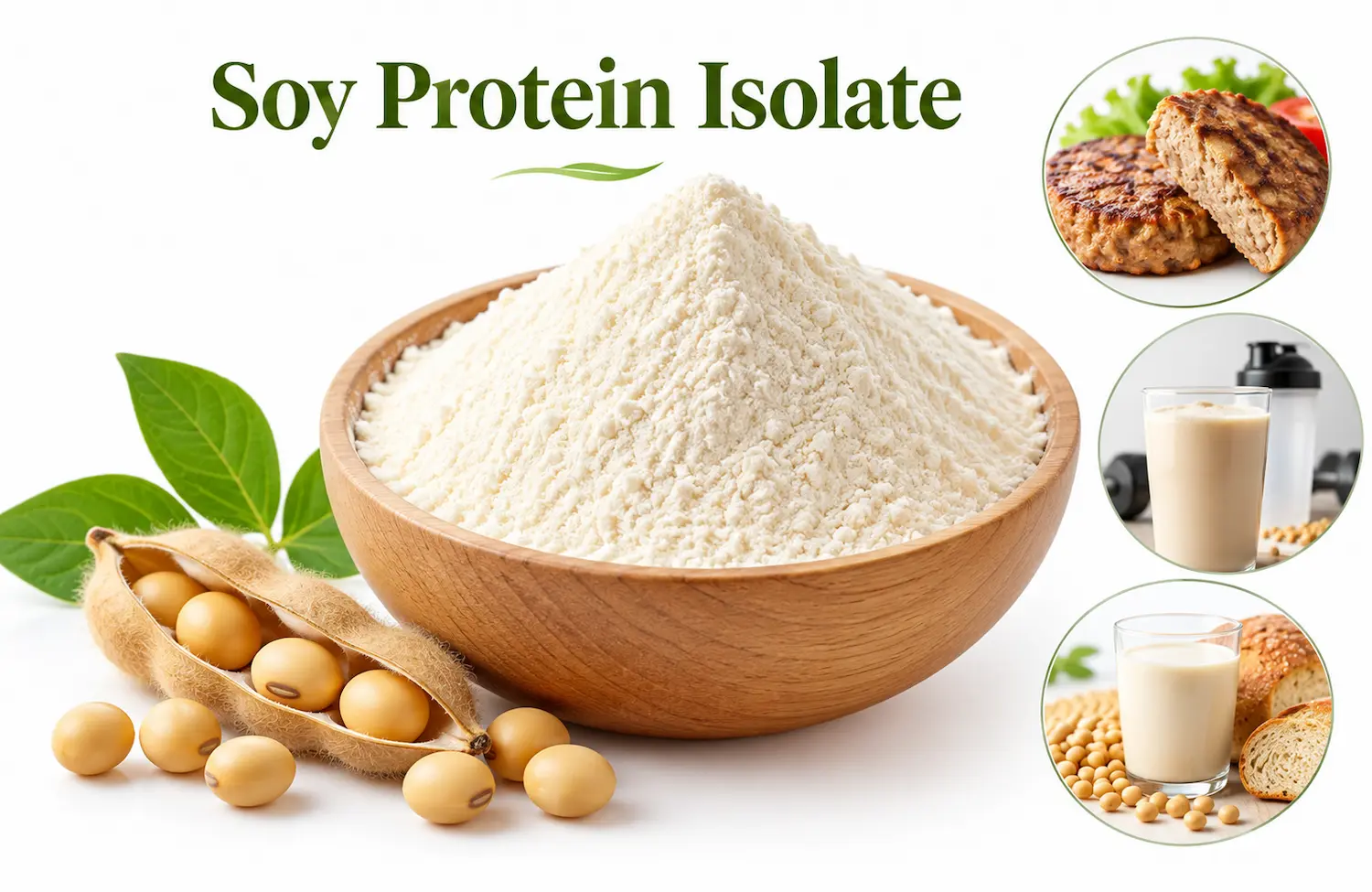
Soy protein isolate (SPI) — also written as isolated soy protein or soya protein isolate — is the most refined commercial form of soy protein. It is made from defatted soybean flakes by extracting the protein, stripping out most of the carbohydrates, fiber, and fat, and drying the result into a neutral-tasting powder that is typically at least 90% protein on a dry basis[1]. That purity is what separates it from the other soy ingredients on a spec sheet: soy flour sits around 50% protein, and soy protein concentrate around 65–72%[2].
Because nearly everything that is not protein has been removed, SPI delivers three things formulators value: a high protein load per gram, a cleaner and milder flavor than flour or concentrate, and strong, tunable functionality — solubility, water binding, emulsification, and gelation[3]. It is also a complete protein with a high protein-quality score, which is why it anchors so many vegan and dairy-free soy protein powder formulations[4].
Soy Protein Isolate
Typically ≥ 90% protein (dry basis), low fat and carbohydrate, mild flavor, best solubility and functionality — the choice for protein powder, beverages, and high-protein foods.Soy Protein Concentrate
Roughly 65–72% protein, retains some carbohydrate and fiber, slightly stronger soy flavor, lower cost per kilogram — often used in bakery, meat extension, and extruded products[2].How Soy Protein Isolate Is Manufactured
Soy protein isolate is a wet-extraction process built around one principle: soy protein dissolves in mild alkali and precipitates at its isoelectric point (around pH 4.5). A typical production sequence looks like this:
| Step | What Happens |
|---|---|
| 1. Defatted flakes | Cleaned, dehulled soybeans are flaked and the oil is removed, leaving low-fat, minimally heat-damaged "white flakes" that retain high protein solubility. |
| 2. Alkaline extraction | The flakes are mixed with water and a mild alkali (around pH 7–9) so the protein dissolves while insoluble fiber and carbohydrate remain behind. |
| 3. Centrifugation | Insoluble residue (okara-type fiber) is separated out, leaving a clear protein extract. |
| 4. Acid precipitation | Food-grade acid brings the extract to about pH 4.5, where the protein curd precipitates and soluble sugars and minerals stay in the whey fraction. |
| 5. Washing & neutralization | The curd is washed and, for most grades, neutralized to near pH 7 to improve solubility and flavor. |
| 6. Heat treatment & spray drying | A controlled heat step reduces microbial load and anti-nutritional factors; spray drying then produces a fine, free-flowing powder. Heat history strongly influences solubility and gel strength[3]. |
How to Choose Soy Protein Isolate: 6 Key Criteria
Whether you are sourcing soy isolate protein powder for a shake or an isolate for a meat brine, work through these six questions before requesting samples:
- 1. Protein content and basis: confirm whether the figure is on a dry basis or "as is," and which nitrogen factor is used (6.25 is standard). A "90%" on an as-is basis is a stronger product than a "90%" on a dry basis.
- 2. Functionality, not just purity: decide whether you need gelling, emulsifying, or high-solubility behavior. Check NSI (nitrogen solubility index), gel strength, and viscosity rather than assuming all isolates perform alike[3].
- 3. Flavor and color: beany or bitter notes and a dull, dark color are the most common complaints in protein powder and beverage applications. Always taste a sample in your actual base, not in water alone.
- 4. Dispersibility and mixability: instant or lecithinated grades wet and disperse faster in cold liquids, but lecithin is itself a soy-derived additive, so check how it affects your label and allergen statement.
- 5. Food-safety and compliance documents: request a batch COA, microbiological results, allergen declaration, and non-GMO or other certificates your market requires.
- 6. Supply consistency: batch-to-batch reproducibility, packaging, lead time, and flexibility from trial order to full container.
Specifications: What to Check on a COA
A food-grade soy protein isolate should ship with a certificate of analysis covering at least the following parameters. Values below are typical ranges for a general-purpose grade; exact limits vary by grade and customer specification.
| Parameter | Typical Specification |
|---|---|
| Protein (dry basis, N × 6.25) | ≥ 90% |
| Moisture | ≤ 7% |
| Ash | ≤ 6% |
| Fat | ≤ 1% |
| pH (solution) | Approx. 6.5–7.5 (grade-dependent) |
| NSI / solubility | Grade-dependent — request the figure and test method |
| Gel strength / viscosity | Grade-dependent — essential for meat and emulsified products |
| Total plate count | Typically ≤ 20,000–30,000 CFU/g |
| E. coli / Salmonella | Negative (per customer and market requirement) |
The numbers that most often decide a purchase are protein, NSI, and the functional test relevant to your application. Ask for the test method behind each value, because gel strength and viscosity results are only comparable when measured the same way — and request matching figures batch after batch if you are replicating an existing formulation.
Choosing the Right Grade by Application
Most suppliers group soy protein isolate into a few functional families. Matching the family to the application avoids most formulation problems:
| Grade Type | Key Functionality | Best For |
|---|---|---|
| Gelling / injection grade | High gel strength, strong water and fat binding, good solubility in brine | Ham, injected poultry, cooked sausages, surimi-style products |
| Emulsifying grade | Fat emulsification and stabilization, moderate viscosity | Emulsified sausages, meat batters, sauces, creamers |
| High-solubility / instant grade | Low viscosity, fast dispersion, clean flavor | Soy protein powder, protein shakes, ready-to-mix beverages, nutrition powders |
| General-purpose grade | Balanced protein boost and moderate functionality | Protein bars, bakery, noodles, plant-based meat and dairy alternatives |
Protein Powder and Beverages
For protein powder and shakes, prioritize solubility, low viscosity at your target protein level, flavor, and mixability. Instant grades disperse well but may carry lecithin, so verify the ingredient and allergen declaration against your label plan.
Meat and Plant-Based Foods
In meat, SPI binds water and fat and stabilizes emulsions, improving yield and texture in injected and emulsified products[3][5]. In plant-based meat and dairy alternatives, SPI contributes protein, structure, and gelation, and is often paired with other proteins — including pea protein isolate or newer sources such as yeast protein — to tune texture and flavor.
Usage Levels: A Working Dosage Table
Exact dosage depends on your target protein claim, texture, and process, but these ranges are typical starting points for trials, not fixed recommendations:
| Application | Typical Starting Level | Role |
|---|---|---|
| Protein powder / shake mixes | Sized to the protein-per-serving target (often 15–30 g protein per serving) | Primary protein source |
| Protein bars | Approx. 10–25% of formulation | Protein boost; high levels can harden texture over shelf life |
| Injected ham / poultry brine | Approx. 1–3% of finished product | Water binding, yield, and slice firmness |
| Emulsified sausage | Approx. 2–4% of finished product | Fat emulsification and binding |
| Bakery and noodles | Approx. 2–5% (flour replacement basis) | Protein enrichment and structure |
Soy Protein Isolate vs Concentrate, Soy Flour, Whey & Pea
Many buyers searching soy protein isolate vs whey or comparing soy protein concentrate are really choosing between purity, allergen profile, and functionality. A side-by-side view helps:
| Ingredient | Typical Protein | Allergen / Diet | Typical Strengths |
|---|---|---|---|
| Soy protein isolate | ≥ 90% | Soy allergen; vegan; dairy-free | Complete protein, gelling, emulsifying, solubility, mild flavor |
| Soy protein concentrate | Approx. 65–72% | Soy allergen; vegan | Lower cost, good water and fat binding, stronger soy flavor |
| Soy flour | Approx. 50% | Soy allergen; vegan | Lowest cost, bakery and extrusion, retains carbohydrate and fiber |
| Whey protein isolate | Approx. 90% | Milk allergen; not vegan | High solubility in acidic drinks, strong sports-nutrition image |
| Pea protein isolate | Approx. 80–90% | Not a top-allergen in most markets; vegan | Soy-free positioning, good for vegan blends; flavor and texture need management |
In practice, whey isolate and whey protein isolate compete with SPI mainly in sports-nutrition powders, while pea protein competes in soy-free vegan lines. SPI keeps an edge wherever gel strength, emulsification, protein quality, and cost balance matter together — meat products, bakery, and mainstream vegan protein powders[4][5]. Many brands now blend soy and pea to balance amino acid profile and texture.
Is Soy Protein Isolate Good or Bad for You?
Consumers and buyers regularly ask about soy protein isolate benefits, side effects, and whether soy protein increases estrogen. The ingredient-level facts, which are general information and not medical advice:
- Protein quality: soy protein supplies all essential amino acids and scores high on protein-quality measures such as PDCAAS[4].
- Hormone concerns: soy isoflavones are plant compounds with weak estrogen-like activity, but a meta-analysis of clinical studies found no significant effect of soy protein or isoflavones on testosterone or estrogen levels in men[6].
- Heart-health claims: the U.S. FDA authorized a soy protein and coronary heart disease health claim under 21 CFR 101.82, but claim wording and status vary by market, so confirm what is permitted where you sell[7].
- Allergen labeling: soy is a major allergen that must be declared on labels in the U.S., EU, and many other markets, and it is unsuitable for people with a soy allergy.
- Processing perception: SPI is a refined ingredient; shoppers who prefer whole foods may favor tofu or soy milk. Clear labeling and transparent sourcing help address this concern.
Supplier & Sourcing Insights for Bulk Procurement
Consistent performance in your plant depends as much on supplier process control and documentation as on the spec sheet.
| Supplier Attribute | What to Verify | WEHENGFOOD Standard |
|---|---|---|
| COA & Batch Consistency | Batch-specific COA with protein, moisture, ash, NSI, and functional data | COA provided with every shipment |
| Flavor & Dispersibility | Taste and mixing performance in your actual base | Samples available for application testing |
| Compliance Documents | Allergen declaration, non-GMO status, microbiological reports, market-specific certificates | Documentation prepared per destination market |
| Packaging & Storage | Moisture-resistant, well-sealed packs to prevent caking and off-flavors | Moisture-resistant bulk packaging |
| Minimum Order Quantity | Flexibility for trial batches vs. full-container runs | Trial orders available up to full 20' FCL bulk supply |
| Technical Support | Grade recommendation matched to your application | Dedicated technical support for grade selection |
Conclusion
Choosing soy protein isolate is less about finding the highest protein number and more about matching grade to application. Start with the protein basis and the functional specs — NSI, gel strength, viscosity — that your product actually depends on, taste samples in your own base, and confirm the allergen, GMO, and microbiological documents your market requires. Compared with whey, pea, concentrate, and soy flour, SPI offers an unusual combination of protein quality, functionality, and cost, which is why it remains a core ingredient in protein powder, meat, bakery, and plant-based foods. A supplier that documents specifications on every batch and can help match a grade to your formulation makes that performance repeatable at scale.
FAQ
What is soy protein isolate?
Soy protein isolate (SPI), also called isolated soy protein or soya protein isolate, is the most refined form of soy protein. It is made from defatted soybean flakes by extracting the protein, removing most carbohydrates and fiber, and drying it into a powder that is typically at least 90% protein on a dry basis.
What is the difference between soy protein isolate and soy protein concentrate?
Soy protein concentrate contains roughly 65–72% protein and retains soluble and insoluble carbohydrates, while soy protein isolate is typically 90% protein or higher with a cleaner flavor and better solubility. Isolate is chosen for beverages, protein powders, and high-protein foods; concentrate is often chosen where cost matters more than purity.
How does soy protein isolate compare with whey protein isolate?
Both are high-protein isolates with excellent amino acid profiles. Soy protein isolate is plant-based and suits vegan and dairy-free products, while whey protein isolate is a dairy ingredient and a milk allergen. Soy is also stronger in gelling and water binding for meat and bakery applications, whereas whey is often preferred for clear acidic beverages.
Is soy protein isolate bad for you?
For most people, soy protein isolate is a safe, high-quality protein. Soy is one of the major food allergens and must be labeled, so it is unsuitable for people with soy allergy. Clinical meta-analyses have not found that soy protein or isoflavones significantly change testosterone or estrogen levels in men. This is general ingredient information, not medical advice.
Which grade of soy protein isolate should I choose for sausages and for beverages?
For sausages, ham, and injected meats, choose a gelling or emulsifying grade with strong water-binding and gel strength. For protein shakes and ready-to-mix soy protein powder, choose a high-solubility or instant grade with low viscosity and a clean flavor.
What information should I send a supplier to get the right soy protein isolate?
Share your application, target protein level, preferred functionality (gelling, emulsifying, or solubility), whether you need non-GMO or lecithin-free material, the packaging size you need, and your destination market so the supplier can match the grade and documentation.
Source Soy Protein Isolate in Bulk
WEHENGFOOD supplies COA-verified Soy Protein Isolate for protein powder, beverage, meat, bakery, and plant-based food manufacturers, with documented specifications, controlled moisture, and flexible order quantities from trial batches to full-container bulk supply. Our team can help match a grade to your application and formulation.
Request a Free Sample & QuoteReferences
- Codex Alimentarius Commission. General Guidelines for Utilization of Vegetable Protein Products (VPP) in Foods (CAC/GL 4-1989). FAO/WHO.
- Riaz, M. N. (2006). Soy Applications in Food. CRC Press.
- Nishinari, K., Fang, Y., Guo, S., & Phillips, G. O. (2014). Soy proteins: A review on composition, aggregation and emulsification. Food Hydrocolloids, 39, 301–318.
- FAO/WHO (1991). Protein Quality Evaluation: Report of the Joint FAO/WHO Expert Consultation. FAO Food and Nutrition Paper 51.
- Kinsella, J. E. (1979). Functional properties of soy proteins. Journal of the American Oil Chemists' Society, 56(3), 242–254.
- Hamilton-Reeves, J. M., et al. (2010). Clinical studies show no effects of soy protein or isoflavones on reproductive hormones in men: results of a meta-analysis. Fertility and Sterility, 94(3), 997–1007.
- U.S. Food and Drug Administration. 21 CFR 101.82 — Health claims: Soy protein and risk of coronary heart disease (CHD). Code of Federal Regulations.