Product Introduction
What Is Sodium Alginate?
Sodium alginate is the sodium salt of alginic acid, a natural polysaccharide obtained mainly from brown seaweed. Its polymer structure consists of mannuronic acid (M) and guluronic acid (G), which contribute to its thickening, stabilizing and gel-forming properties.
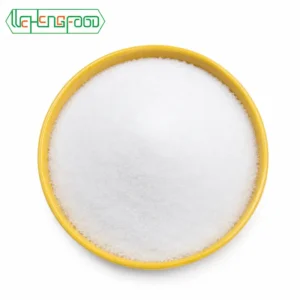
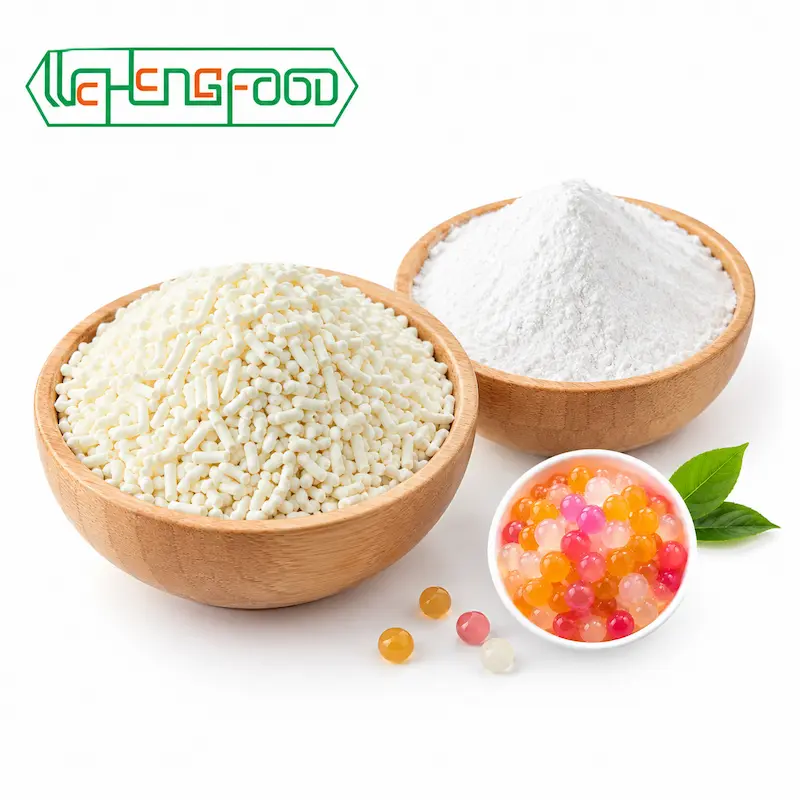
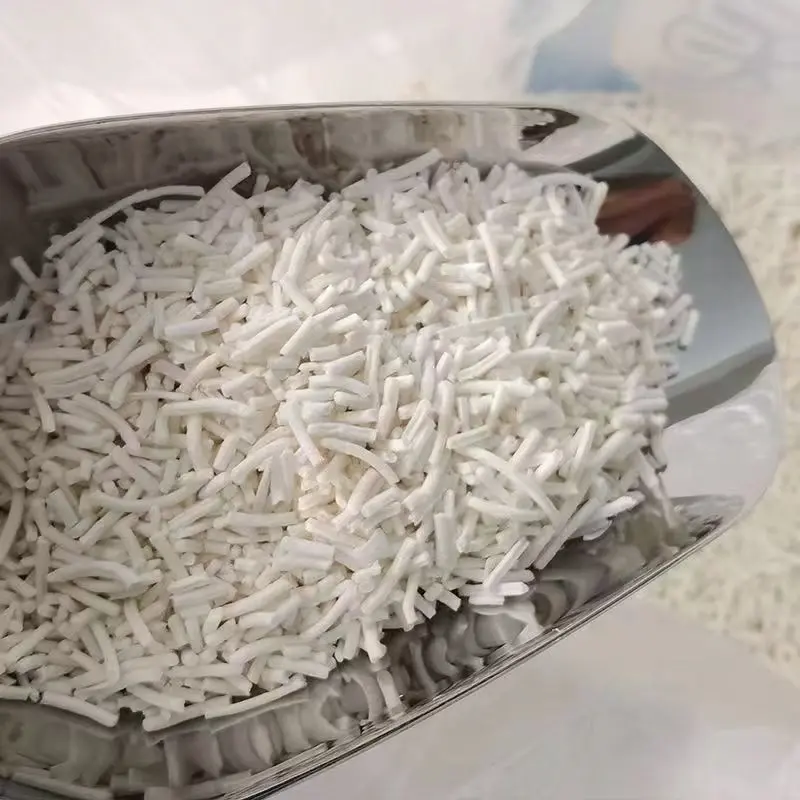
Sodium alginate is generally supplied as a white to light yellow powder or granule. When dispersed in water, it forms a viscous solution, making it an important hydrocolloid for controlling texture, viscosity, stability and moisture in a wide range of formulations.
WEHENGFOOD offers sodium alginate across multiple grades to meet diverse industry requirements as a professional China sodium alginate manufacturer and supplier:
| Grade | Typical Applications |
|---|---|
| Food Grade | Meat products, ice cream, rice & flour products, marine-inspired desserts (e.g. “sea grape”-style spherification) |
| Pharmaceutical Grade | Contrast media, hemostatic agents, gastric medication formulations |
| Cosmetic Grade | Facial masks and skincare formulations |
| Industrial Grade | Reactive dye paste thickener for textile printing and dyeing |
Key Technical Parameters
- Gel Strength: 500–1000 g/cm²
- Viscosity: Standard range 500–1000 cps
- Mesh Size: Standard 60–80 mesh
(Custom specifications available upon request to match specific formulation needs.)
Recommended Usage Levels in Food Applications
As a versatile food additive, sodium alginate serves different functional roles depending on the food category. General industry reference usage levels include:
| Food Category | Main Function | Reference Usage |
|---|---|---|
| Seasonings/Condiments | Thickening, texture improvement | 0.2–0.5% |
| Jams & Jellies | Solidifying/gelling agent | up to ~4% (per FDA reference limits) |
| Fruit products & juices | Forming aid | 0.1–0.3% |
| Noodles, pasta, vermicelli | Water retention, texture enhancement, improved chewiness | 0.1–0.3% |
| Rice paper | Improved transparency, strength, and foldability | ~0.5% |
| Bread, pastries, convenience foods | Water binding, texture improvement | 0.4–0.6% |
| Beer & alcoholic beverages | Foam stabilization, extended shelf foam retention, clarification | 50–200 mg/kg |
| Frozen desserts & ice cream | Thickening, stabilization | 0.1–0.8% |
Note: Actual usage levels should be adjusted based on specific formulation requirements and local food safety regulations. FDA reference limits may apply depending on the finished product category.
Certificate of Analysis
Items | Test results Standard Specifications |
Appearance | Comply Whitish to yellowish or brownish powder |
Grain size | 80mesh As per SC |
Viscosity 1% (mPa.s) | 610 600±50 |
Moisture (%) | 13.8 15.0 max |
pH Value | 6.4 6.0-8.0 |
Ash | 21.2% 18.0-27.0% |
Heavy Metals (%) | Comply Less than 0.002 |
Arsenic (%) | Comply Less than 0.0003 |
Lead (%) | Comply Less than 0.001 |
Total Plate count | Comply ≤5000 cfu/g |
Yeast and Mould | Comply ≤500 cfu/g |
E.coli | None None |
Salmonella | None None |
Conclusion | The material passes test. |
Functions and Usages
Key Features
- Natural Origin: Extracted from premium brown seaweed/kelp through advanced purification processes
- Multiple Grades Available: Food grade, pharmaceutical grade, cosmetic grade, and industrial/textile grade
- Excellent Gelling & Thickening Properties: Forms stable gels in the presence of calcium ions, ideal for molecular gastronomy, dairy stabilization, and jam/jelly production
- High Water Solubility: Fine white to light yellow powder with reliable viscosity control (low, medium, high, and ultra-high viscosity options)
- Wide Application Range: Used in food & beverage, pharmaceuticals (wound dressings, drug delivery, dental impression materials), textile printing & dyeing, and daily chemical/cosmetic products
Applications
- Food Industry: Stabilizer for dairy products, thickener for sauces and beverages, gelling agent for jams, restructured foods, and plant-based casings
- Pharmaceutical Industry: Used in tablet binders, wound care dressings, and controlled-release drug formulations
- Textile Industry: Printing paste thickener for high color yield and clean washing performance
- Cosmetics: Film-forming and thickening agent for facial masks and skincare formulations
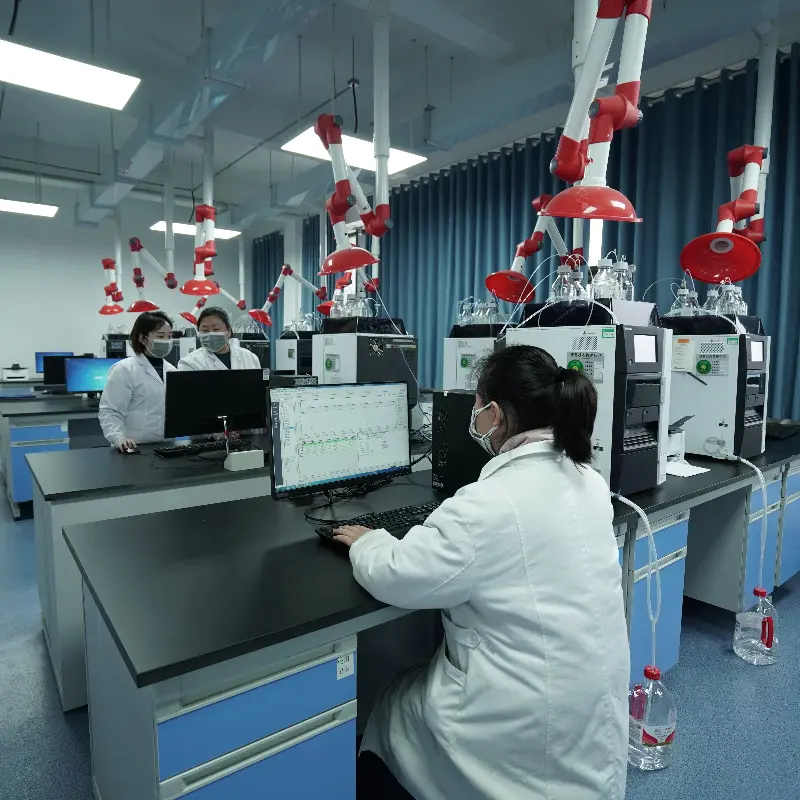
Factory
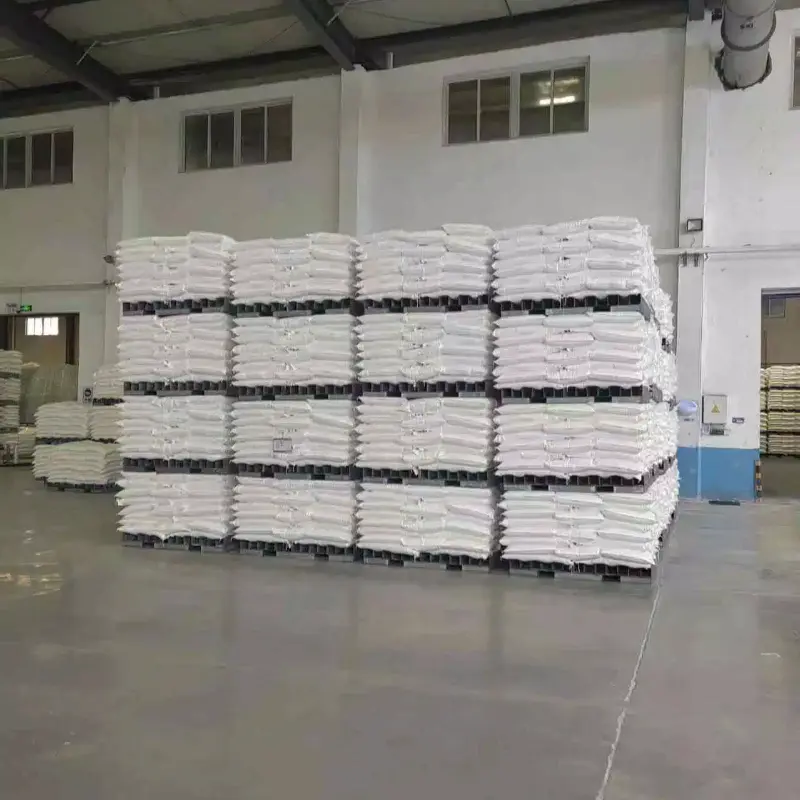
Package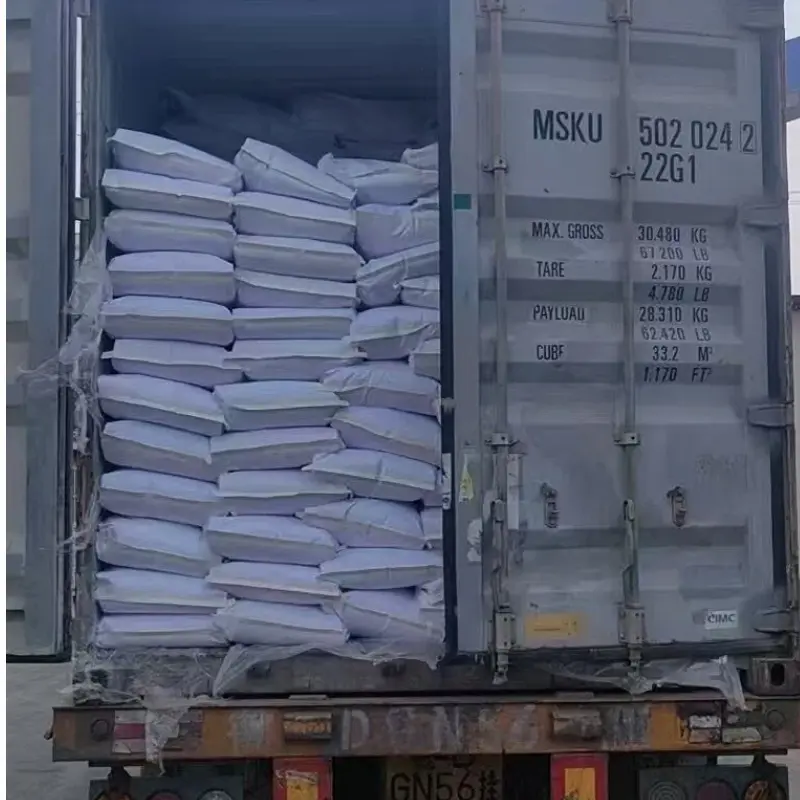
Exhibitions

FAQ
Q1: What is Sodium Alginate used for in popping boba (bursting pearls) production?
Sodium Alginate is the key ingredient behind the spherification technique used to make popping boba (bursting pearls). When sodium alginate solution is dropped into a calcium bath (calcium lactate or calcium chloride), it instantly forms a thin gel membrane on the outside while keeping the liquid center intact — creating the signature “pop-in-mouth” juice pearls used in bubble tea, desserts, and molecular gastronomy dishes.
Q2: Why is Sodium Alginate the preferred ingredient for spherification in popping boba?
Sodium Alginate reacts uniquely with calcium ions through an ion-exchange gelling process, forming a flexible yet stable outer membrane without altering the flavor of the filling. This makes it ideal for popping boba manufacturers who need consistent shape, elasticity, and burst texture across large-scale production batches.
Q3: What grade of Sodium Alginate should be used for popping boba (bursting pearls)?
Food-grade Sodium Alginate with medium-to-high viscosity (typically within the 500–1000 cps range) is commonly recommended for popping boba applications, as it provides the right balance between gel strength and smooth texture. WEHENGFOOD, as a professional China sodium alginate supplier and manufacturer, offers customized viscosity and mesh size options to match different popping boba formulations.
Q4: How much Sodium Alginate is typically used in popping boba production?
Usage levels generally range around 0.4%–0.8% of the liquid formulation, depending on the desired membrane thickness and burst sensation. Exact dosage should be adjusted through small-batch testing, as flavor syrup composition, sugar content, and acidity can affect gelling performance.
Q5: Is Sodium Alginate safe for food use in popping boba and other beverage applications?
Yes. Sodium Alginate is a naturally derived polysaccharide extracted from brown seaweed (kelp), widely approved as a safe food additive (thickener, stabilizer, and gelling agent) under international food safety standards. As a certified sodium alginate exporter and factory in China, WEHENGFOOD supplies products compliant with food-grade safety requirements, including Kosher and Halal certification options.
Q6: Where can I buy high-quality Sodium Alginate for popping boba manufacturing?
WEHENGFOOD is a trusted China sodium alginate manufacturer, supplier, factory, exporter, and distributor, providing bulk sodium alginate specifically suited for popping boba (bursting pearls), bubble tea additives, and spherification applications. We offer customized specifications, competitive pricing, and reliable international shipping for distributors, traders, and food & beverage manufacturers worldwide.