Product Introduction
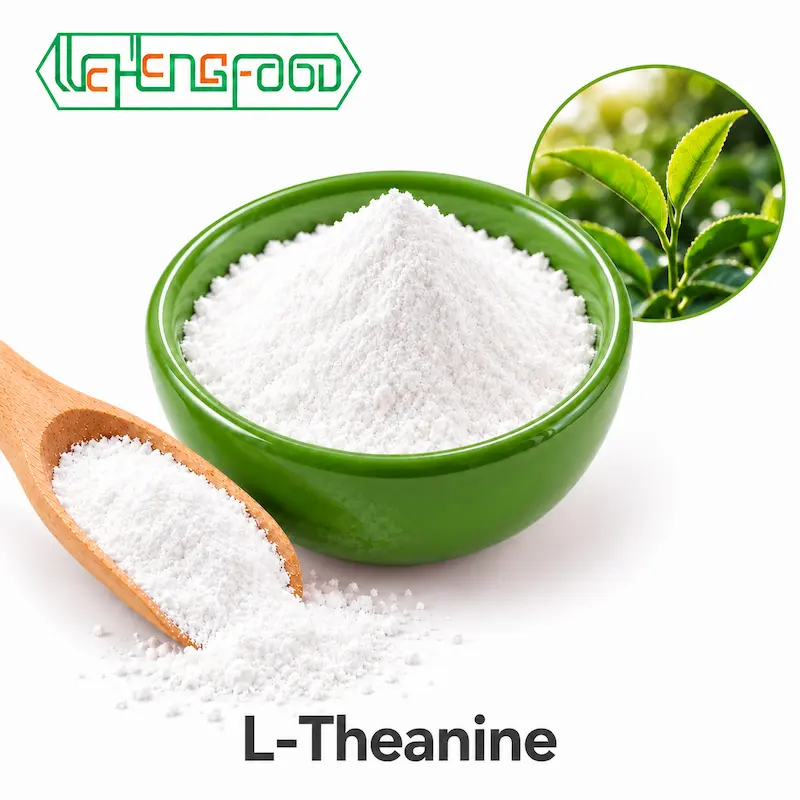
Many buyers searching “what is L-theanine” want a plain answer. L-theanine is a non-protein amino acid found mainly in the leaves of the tea plant (Camellia sinensis), and it is a major reason green tea and matcha feel calming rather than jittery. It is chemically related to glutamate and gives tea its mild umami taste.
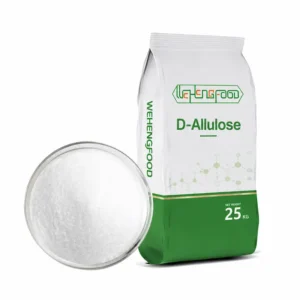
As a L-theanine manufacturer and exporter in China, WEHENGFOOD supplies high-purity L-theanine powder for supplement brands, beverage makers, and functional food producers worldwide. Our L-theanine is a white, free-flowing, water-soluble crystalline powder. It is easy to dose into capsules, tablets, powder sticks, ready-to-drink formulas, and gummies, and it has a clean, slightly sweet, umami-like taste that does not overpower the finished product.
For commercial supply, L-theanine is usually produced by enzymatic synthesis or fermentation rather than extracted directly from tea leaves. This gives a consistent, scalable supply at high purity, independent of tea harvest variations. As a China L-theanine supplier and factory partner, we can provide COA, specifications, and documentation to support your market’s regulatory review.
Certificate of Analysis
Test Items | In-house Standard | Test Results | Test Method |
Description | White or almost white crystalline powder | Conforms | Visual |
Specific rotation | +7.7° to +8.5° | +8.0° | GB/T163 |
Assay | 98.0–102.0% | 99.4% | QB/T5633.11-2023 |
Loss on drying | ≤1.0% | 0.11% | GB5009.3 |
Residue on ignition | ≤0.20% | 0.03% | GB5009.4 |
pH | 5.0–6.0 | 5.6 | GB/T9724 |
Solution clarity | Clear and colorless | Conforms | In-house Standard |
Chloride | ≤0.02% | <0.02% | QB/4263 |
Sulfate | ≤0.02% | <0.02% | QB/4263 |
Iron | ≤10 ppm | <10 ppm | CP2015 |
Heavy metals (Pb) | ≤10 ppm | <10 ppm | GB/T5009.74 |
Arsenic | ≤1pm | <1 ppm | GB/T5009.11 |
Cadmium | ≤1 ppm | <1 ppm | GB/T5009.268 |
Mercury | ≤0.1 ppm | <0.1 ppm | GB/T5009.268 |
Aerobic Plate Count | ≤1000 CFU/g | <1000 CFU/g | GB4789.2 |
Yeast & moulds | ≤100 CFU/g | <100 CFU/g | GB4789.15 |
E. coli | Negative | Not detected | GB4789.38 |
Salmonella | Negative | Not detected | GB4789.4 |
Functions and Benefits of L-Theanine
Supports relaxation without drowsiness. L-theanine is widely studied for promoting a calm, relaxed state while keeping alertness intact. This is why it appears in stress-support and everyday-calm formulas aimed at consumers who need to stay focused.
Supports sleep quality. “L-theanine sleep” is the most-searched L-theanine topic worldwide in our Google Trends data. Brands position it in evening formulas for people who want to unwind before bed. It is a relaxation ingredient, not a sedative, and it is often combined with magnesium, GABA, or other sleep-support ingredients.
Works well with caffeine. The pairing of L-theanine and caffeine is common in focus products. Studies often use L-theanine at about twice the caffeine dose, and the combination is used in energy drinks, coffee-style functional drinks, and nootropic blends for smoother, more sustained focus with fewer jitters.
Supports focus and mental clarity. L-theanine is used in cognitive-support products for attention and mental performance, especially when stress or caffeine is part of the picture.
Note for your market: health claims are regulated differently in each country. Please confirm permitted wording with your regulatory advisor before using the above on consumer packaging.
Typical Uses and Applications
| Application | How L-Theanine Is Used |
|---|---|
| Dietary supplements | Capsules, tablets, and powder sticks; a 200 mg serving is common in finished products |
| Sleep and relaxation formulas | Blended with magnesium (including magnesium glycinate), GABA, melatonin, or botanicals |
| Gummies and chewables | Dosed into L-theanine gummies for a convenient, good-tasting format |
| Functional beverages | RTD teas, matcha drinks, relaxation drinks, and focus beverages |
| Energy and focus products | Combined with caffeine to balance stimulation |
| Stress-support blends | Paired with adaptogens such as ashwagandha |
| Tea and powdered drink mixes | Fortifies tea and matcha-style products with a defined L-theanine level |
Popular Combinations
Formulators often ask us about these combinations, which reflect current consumer demand:
- Magnesium + L-theanine: a leading evening-routine pairing, often built on magnesium glycinate for sleep and relaxation positioning.
- L-theanine + GABA: a calm-focused blend for relaxation drinks and supplements.
- L-theanine + ashwagandha: a stress-support combination for daytime or evening products.
- L-theanine + caffeine: the classic focus stack for energy and nootropic products.
L-Theanine Dosage and Safety
Finished supplements typically use 100–400 mg of L-theanine per day, and 200 mg per serving is the most common label dose. Dose and format depend on the product concept and local regulations, so formulators should set levels according to their target market.
L-theanine is generally well tolerated, and it is also consumed naturally through tea. Because “L-theanine side effects” and “is L-theanine safe” are common consumer questions, we recommend that brands include clear serving guidance and a note advising people who are pregnant, nursing, or taking medication to consult a healthcare professional.
Natural Sources vs. Supplement Form
L-theanine occurs naturally in tea, with matcha and shade-grown teas among the richest dietary sources, and in small amounts in some mushrooms. A cup of tea provides only a small amount compared with a 200 mg supplement serving. That gap is why brands add concentrated L-theanine powder to capsules, gummies, and beverages to deliver a consistent, labelled amount.
Factory
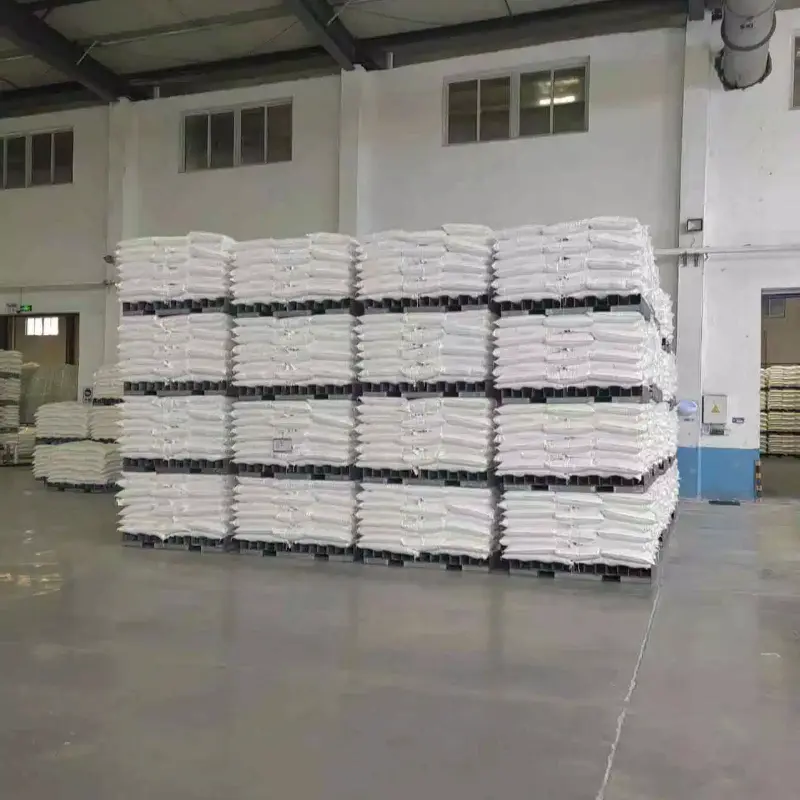
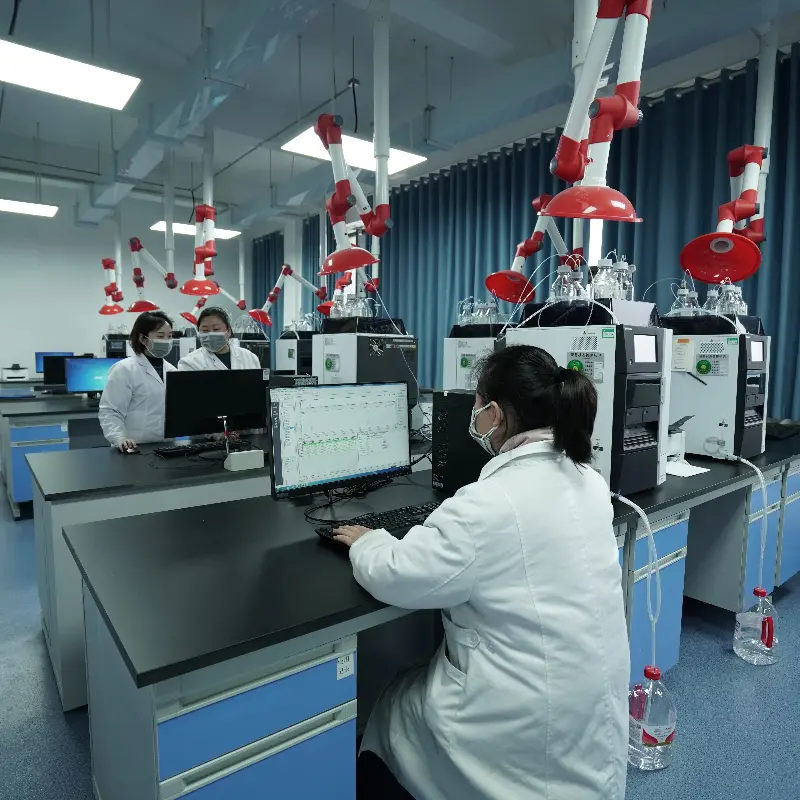
Package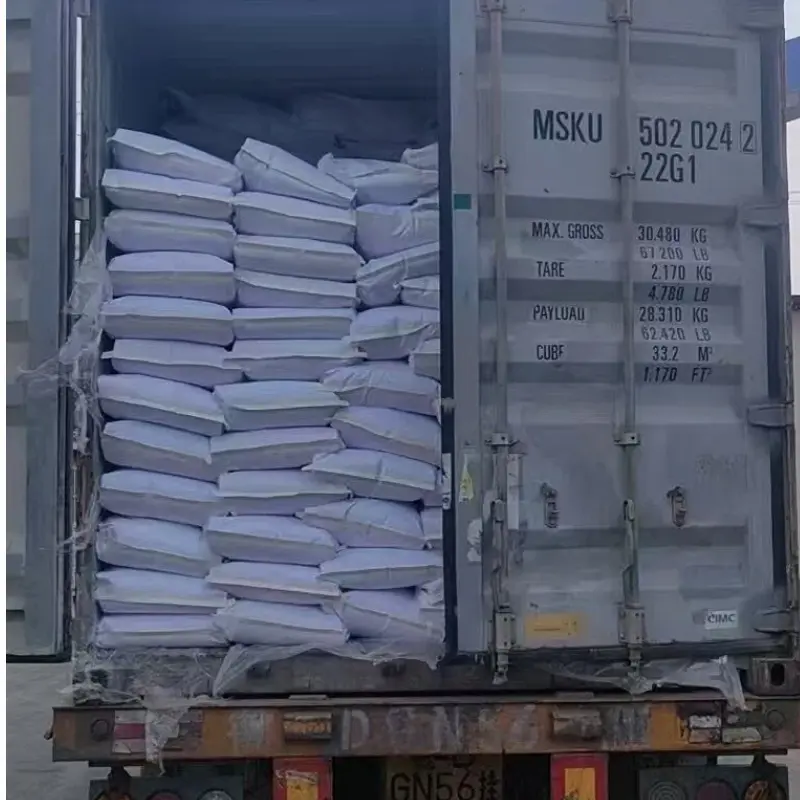
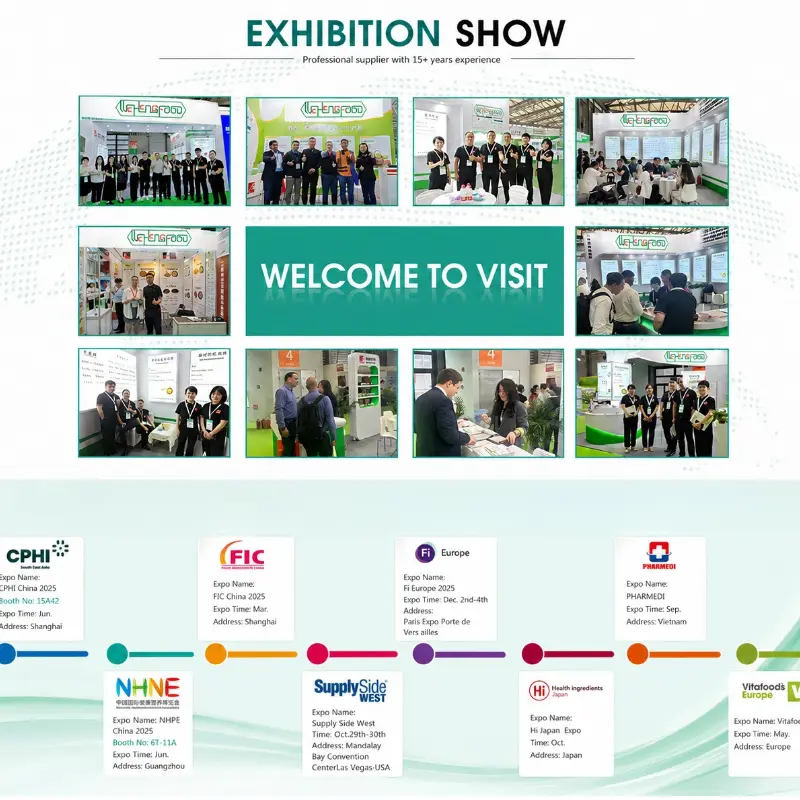
Exhibitions
FAQ
Q1: What is L-theanine used for?
L-theanine is an amino acid found mainly in tea leaves. It is used in supplements, gummies, and beverages to support relaxation without drowsiness, sleep quality, and focus.
Q2: What is the typical L-theanine dosage?
Finished supplements typically provide 100–400 mg per day, and 200 mg per serving is the most common label dose. Final levels depend on your market’s regulations.
Q3: Can L-theanine be combined with magnesium, GABA, or caffeine?
Yes. Common pairings are magnesium (including magnesium glycinate) for sleep formulas, GABA and ashwagandha for relaxation and stress blends, and caffeine for focus products.
Q4: Is L-theanine safe?
L-theanine is generally well tolerated and is also consumed naturally through tea. Labels should advise people who are pregnant, nursing, or on medication to consult a healthcare professional.
Q5: Can L-theanine powder be used in gummies and beverages?
Yes. It is water-soluble with a mild, slightly sweet taste, so it suits gummies, RTD teas, powdered drink mixes, capsules, and tablets.
Q6: Are you a China L-theanine supplier?
Yes. WEHENGFOOD is a China L-theanine manufacturer, supplier, and exporter. We supply bulk L-theanine powder with a batch COA and export documentation to buyers worldwide.