Product Introduction
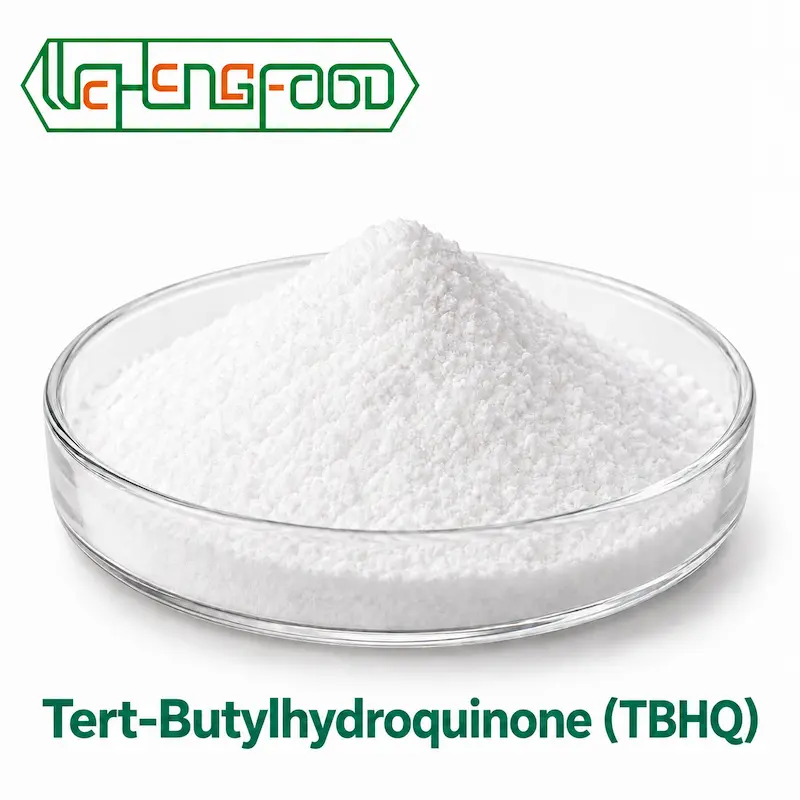
TBHQ (tert-butylhydroquinone, E319) is a highly effective synthetic antioxidant used as a food additive to slow down oxidation and rancidity in fats and oils. If you have searched “what is TBHQ” or “what is TBHQ in food”, the short answer is this: TBHQ is a TBHQ preservative that keeps oils, fried foods and snacks fresh longer by stopping fats from reacting with oxygen.
It appears as a white to light tan crystalline powder. It dissolves well in fats and oils and is only slightly soluble in water. This makes it particularly effective in TBHQ in oil applications, including soybean oil, palm oil, and other vegetable oils and animal fats. Compared with BHA and BHT, TBHQ gives stronger protection at lower dosage, especially in high-temperature frying and long storage conditions.
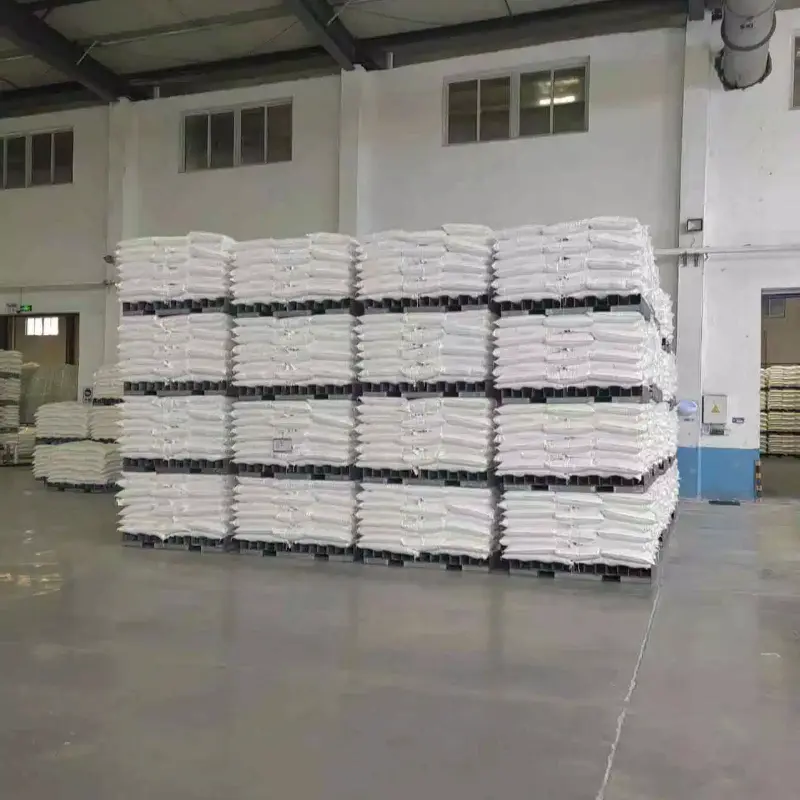
As a leading China TBHQ manufacturer, supplier and exporter, WEHENGFOOD supplies food-grade TBHQ with a full COA, stable batch quality and flexible export packaging for food factories, oil refiners and ingredient distributors worldwide.
Certificate of Analysis
| Item | Specification | Result |
Appearance | White Crystal Powder | White Crystal Powder |
Content(TBHQ) % | ≥99 | 99.58 |
Content(TBPQ) % | ≤0.2 | 0.16 |
Content(DTBHQ) % | ≤0.2 | 0.14 |
Content(HQ) % | ≤0.1 | 0.02 |
Content(Methylbenzene)mg/kg | ≤25 | Not found |
Plumbum mg/kg | ≤2 | <2 |
Melting point ℃ | 126.5-128.5 | 127.5 |
Key Functions of TBHQ Antioxidant
- Extends shelf life of fats and oils: delays oxidative rancidity, off-flavors and off-odors, helping products stay fresh from production to consumption.
- Strong heat stability: remains effective during frying and baking, giving better “carry-through” protection in fried products than many other antioxidants.
- Works at low dosage: typically used at a very small fraction of the fat content, so the cost-in-use is low.
- No color or flavor impact at normal usage levels: does not noticeably change the taste, smell or appearance of the finished product.
- Synergy with other antioxidants: combines well with citric acid (as a chelating synergist), ascorbyl palmitate, and rosemary or tocopherol extracts, and can be used alongside or in place of BHA and BHT.
- Cost-effective preservation: one of the most economical and efficient antioxidants for the edible oil and snack industry.
Applications and Uses of TBHQ in Food
TBHQ is used wherever fat oxidation limits shelf life:
- Edible oils and fats: soybean oil, palm oil, palm olein, rapeseed (canola) oil, sunflower oil, lard, shortening, frying oil
- Instant noodles and fried noodle products: the fried noodle block and seasoning oil
- Snack foods: fried and extruded snacks, potato chips, crackers, nuts, coated peanuts and seasoned snack mixes
- Bakery and confectionery fats: biscuit and cookie fats, filling creams, peanut butter-based fillings and chocolate coatings
- Meat products and sausages: animal fat-based products where permitted
- Packaging materials: added to some food-contact packaging to protect packed fatty foods
- Feed, pet food and non-food uses: protecting fats in animal feed, as well as cosmetics and industrial oils (subject to local regulations)
Whether you are looking for a TBHQ food list of typical products or a reliable source of TBHQ ingredients for your own formulas, WEHENGFOOD can supply the grade and packaging that fits your process.
Recommended Usage Level and Regulation
TBHQ is permitted in many countries under strict maximum limits. For example, the US FDA limits it to 0.02% (200 ppm) of the fat or oil content, alone or combined with other approved antioxidants, and Codex and China’s GB 2760 set a comparable maximum of 200 mg/kg (based on fat). The EU permits it as E319 only in specified food categories, so check your destination market’s regulation before formulation. Always follow local food additive rules.
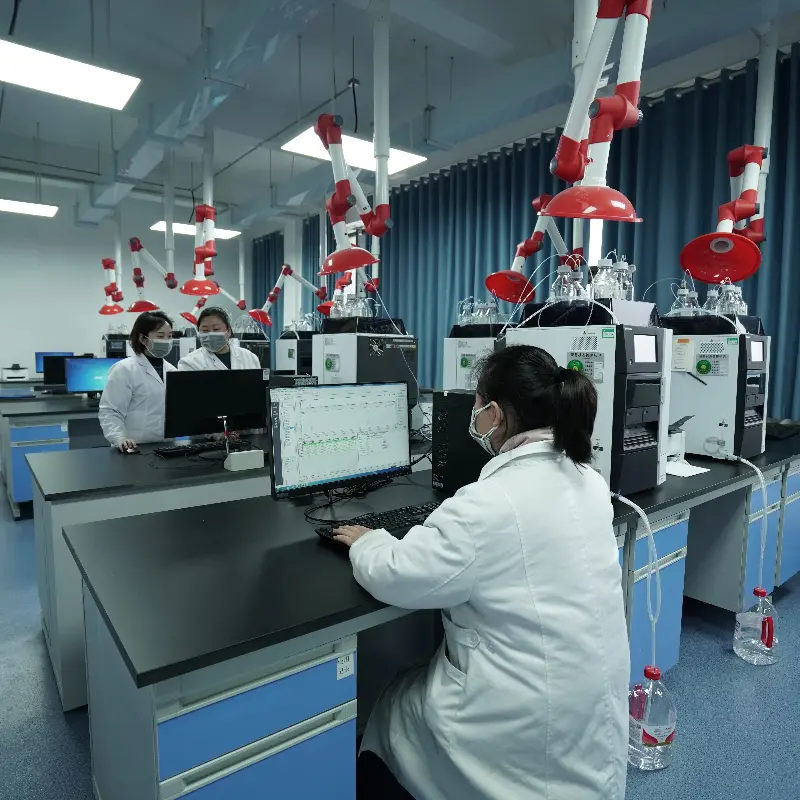
Factory
Package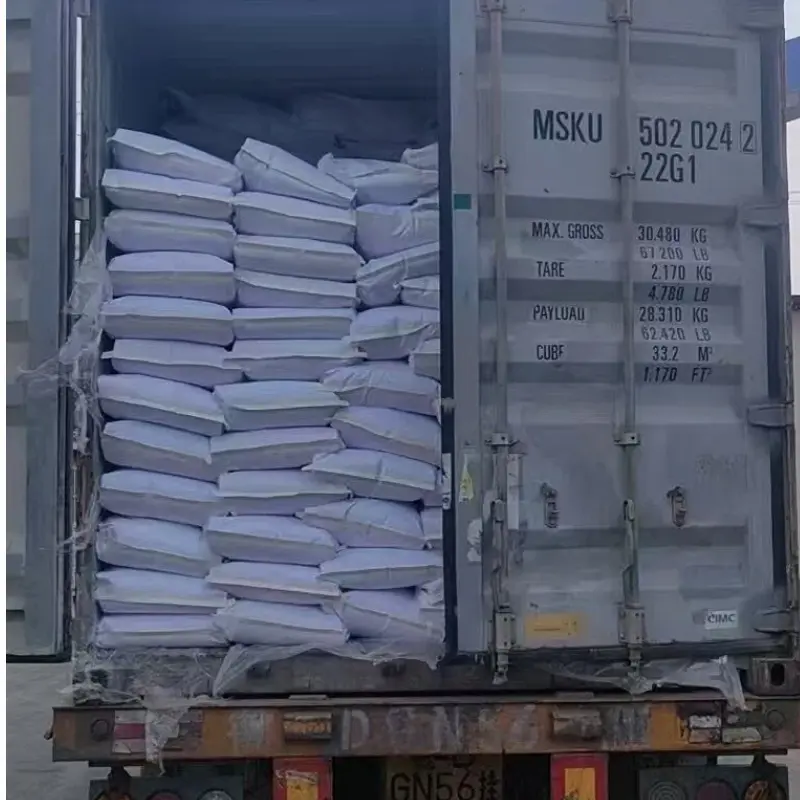
Exhibitions

FAQ
Q1: What is TBHQ and what is it used for?
TBHQ (tert-butylhydroquinone, E319) is a synthetic antioxidant added to fats, oils and fried foods to prevent rancidity and extend shelf life. It is common in edible oils, instant noodles, snack foods and fried products.
Q2: Is TBHQ safe? Does TBHQ cause cancer?
TBHQ has been evaluated by regulators including the US FDA, EFSA and JECFA, and is approved only within strict limits (for example, up to 0.02% of the fat or oil content in the US). At those permitted levels, it is considered safe for use. High-dose animal studies have drawn public attention, which is why dosage limits exist. Buyers should always stay within the legal limit of their target market.
Q3: What is the difference between TBHQ, BHA and BHT?
All three are phenolic antioxidants for fats and oils. TBHQ generally offers stronger protection in vegetable oils and high-temperature frying, while BHA and BHT are often used in animal fats, cereals and packaging. They are frequently blended for synergy.
Q4: What is the minimum order quantity for TBHQ?
Our MOQ is 1000 KG. Please email nancy@wehengfood.com or message us on WhatsApp for samples and a current quotation.
Q5: Which countries allow TBHQ as a food additive?
TBHQ is permitted in the US, China, Canada, Australia, Brazil, many Southeast Asian and Latin American countries, and under E319 in the EU for limited categories. Regulations and maximum levels differ, so check your market before use.
Q6: Can you provide documents for TBHQ export?
Yes. WEHENGFOOD provides COA, MSDS, Certificate of Origin and other export documents on request.