Product Introduction
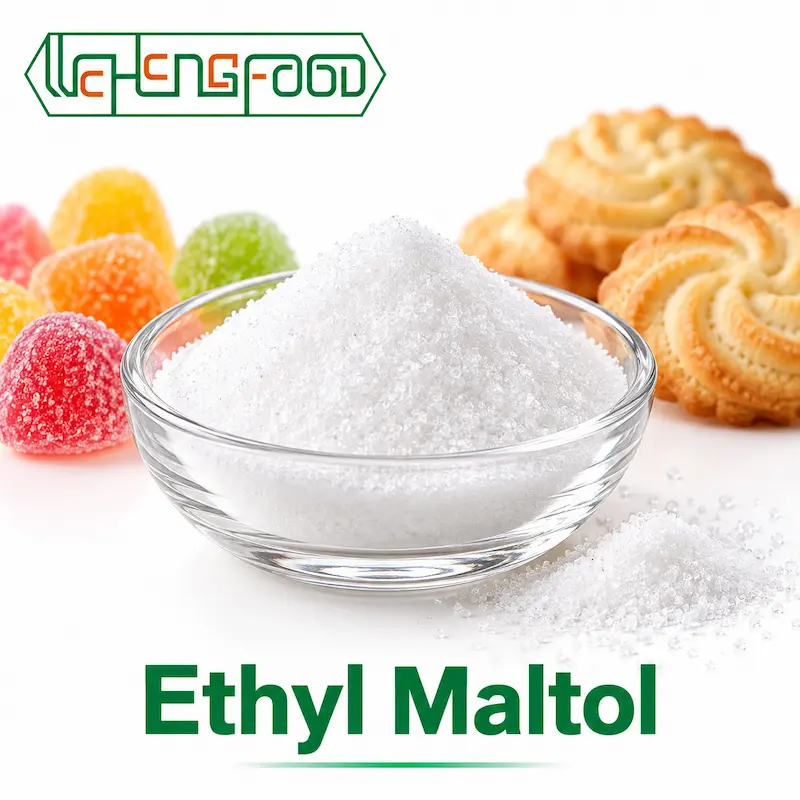
Ethyl Maltol (CAS No. 4940-11-8, C₇H₁₀O₃) is a white crystalline powder. It is one of the most widely used flavor enhancers in the food and flavor industry. It adds a warm, sweet, rounded character to a product and softens harsh or bitter edges. It is also much stronger than maltol, so a very small dose goes a long way.
WEHENGFOOD is a China ethyl maltol supplier and exporter. We cooperate with Anhui Jinhe, a well-known Chinese manufacturer, and distribute their ethyl maltol to food manufacturers, flavor houses and ingredient traders worldwide. You get consistent quality, stable supply and flexible export service from one contact.
Ethyl maltol often appears in the same purchasing lists as vanillin and ethyl vanillin. It is commonly paired with them in sweet, creamy and gourmand flavor systems. It also sits alongside other aroma chemicals such as coumarin in the wider fragrance and flavor market.
Two Types Available
| Type | Aroma Profile | Best For |
|---|---|---|
| Pure Aroma Ethyl Maltol (Pure Type) | Soft, clean and smooth. Sweet, creamy and fruity notes with no noticeable burnt character. | Beverages, dairy, ice cream, fruit flavors, vanilla and milk flavor blends, light confectionery |
| Caramel Aroma Ethyl Maltol (Caramel Type) | Richer and deeper, with clear caramel, roasted and toasted-sugar notes. | Bakery, chocolate, caramel and coffee flavors, savory and meat flavors, products that need a “cooked” note |
Not sure which type fits your formula? Send us your application and we can recommend one.
Certificate of Analysis
Analysis Standard | GB12487-2010/FCCIV |
Appearance | White Crystals Powder |
Storage | In Keep in cool and dry place. Avoid being stored in iron containers. Protect from light and keep container closed. Avoid contamination from other special smell. |
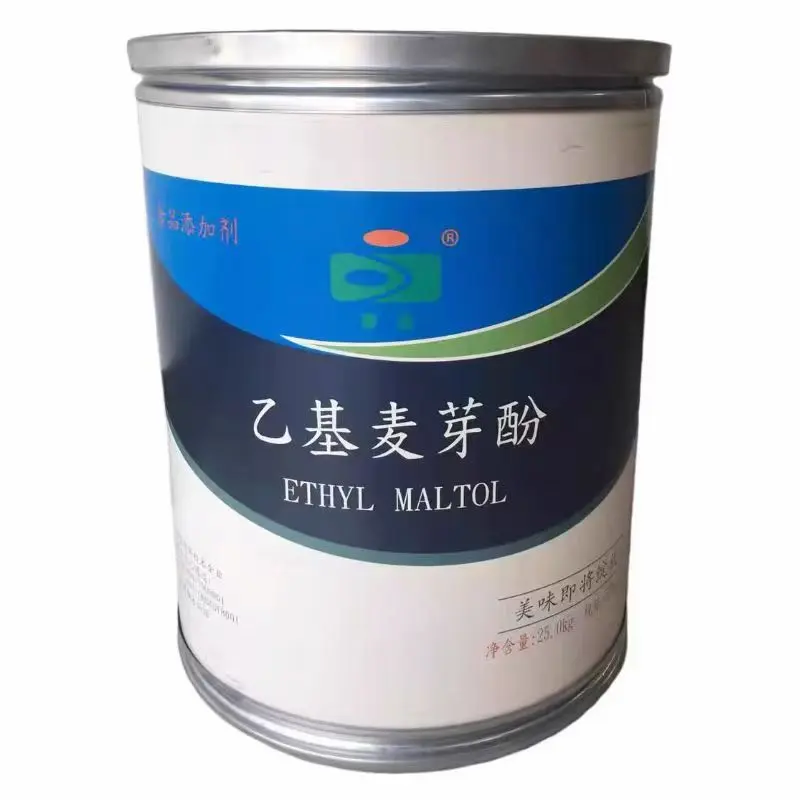
Packing | 25kg/Drum |
Purity | >99.5% |
Moisture | <0.1% |
Bulk Density | 0.5-0.7 g/ml (Depends on granulation) |
Particle Size | 40-60 mesh |
Melting Point | 89-92℃ |
Heavy Metals | ≤0.001% |
Lead | ≤5ppm |
Arsenic | ≤1ppm |
Less on Drying | ≤0.4% |
Residue on lgnition) | ≤0.1% |
Functions of Ethyl Maltol
- Flavor enhancement: It lifts the overall taste and gives finished products a fuller, longer-lasting flavor.
- Sweetness enhancement: It makes sweet products taste sweeter and rounder, which can help reduce the amount of sugar needed.
- Aroma rounding: It smooths sharp, sour or bitter notes and blends fruity, creamy and vanilla notes together.
- Masking: It covers off-notes from proteins, sweeteners, minerals and plant ingredients.
- Shelf-life support: It helps products keep their flavor profile and sweet impression over storage time.
- High efficiency: Use levels are very low, so the cost per kilogram of finished product stays small.
Applications and Typical Dosage
| Application | Reference Dosage |
|---|---|
| Soft drinks and beverages | 1.5–6 mg/kg |
| Ice cream, frozen desserts, fruit jelly, tomato soups and similar | 5–15 mg/kg |
| Chocolate coatings, candies, gummies, pastries | 5–50 mg/kg |
| Meat products, sausages, seafood | Add as needed |
| Bakery, dairy, flavor and fragrance blends, tobacco flavors, daily-use cosmetics | Add as needed |
Dosage is for reference only. Please test and follow the food regulations in your market.
Flavor and fragrance blends: Ethyl maltol is a common base in sweet, gourmand and caramel-style flavors. It is also used in fragrance work for sweet, warm accents, which suits buyers following demand for amber, sugary and vanilla-like profiles.
E-liquid flavors: Ethyl maltol is also used as a flavor component in some e-liquid formulas. Rules for this use differ widely by country, so please check your local regulations before ordering for it.
How to Check Ethyl Maltol Quality
Cheap products on the market are sometimes diluted with glucose or starch. A few quick checks:
- Appearance: Genuine ethyl maltol is a crystalline solid with a slight shine. Diluted powder looks flat, dull and fine.
- Heat test: Heat a small amount on foil. Pure ethyl maltol melts and then evaporates fully. A burnt, sticky residue means it contains impurities.
- Solubility: Pure product settles as crystals in room-temperature water and the liquid stays clear. A product that dissolves easily or turns cloudy may contain starch or sugar.
- Taste: Pure product tastes bitter and astringent when tasted neat. A sweet taste is a warning sign.
We supply goods with a COA for every batch.
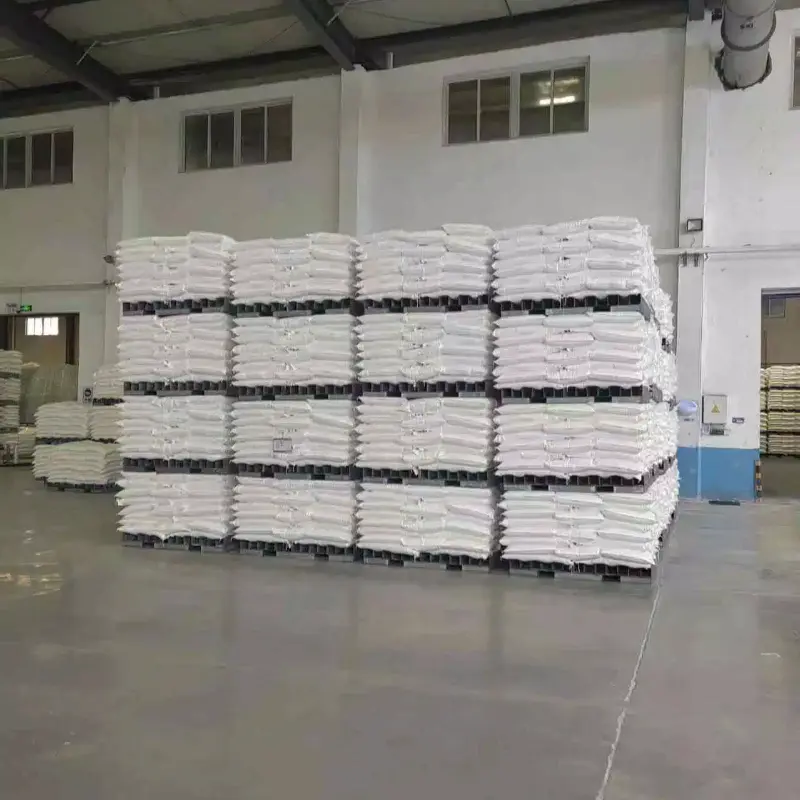
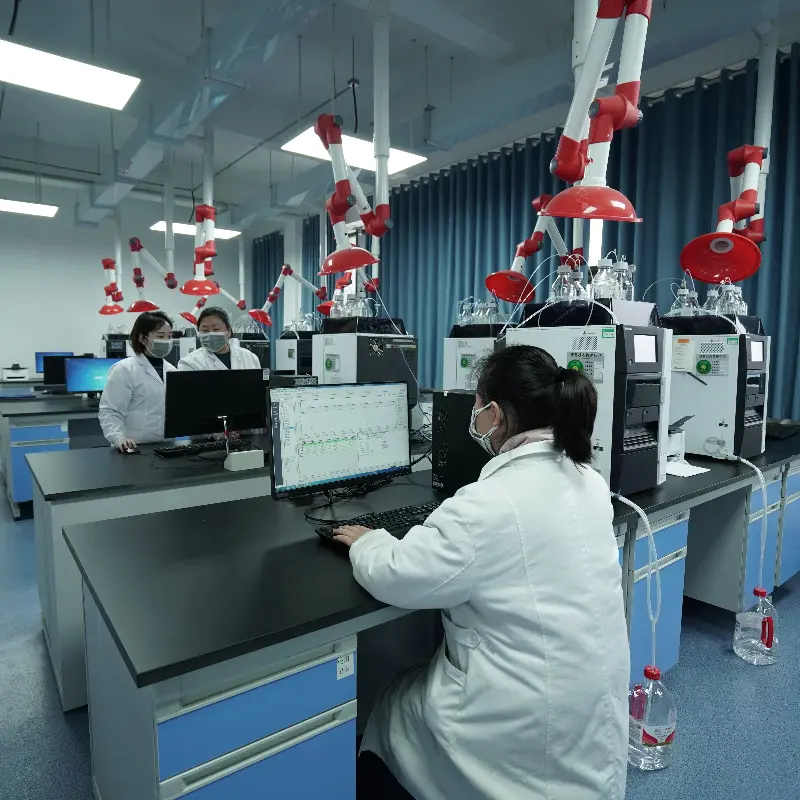
Factory
Package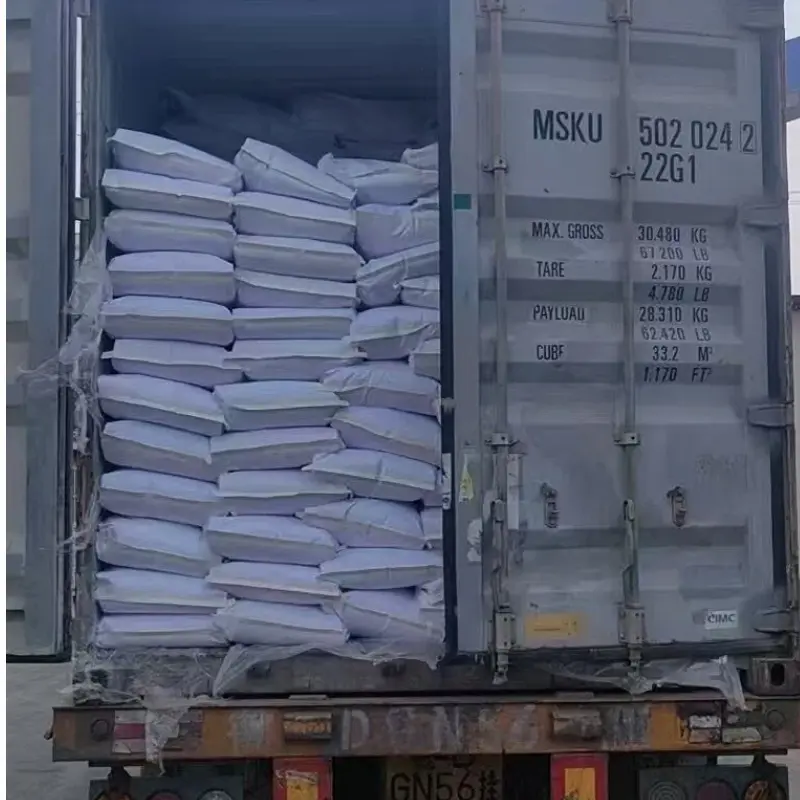
Exhibitions

FAQ
Q1: What is ethyl maltol, and what is it used for?
Ethyl maltol (CAS 4940-11-8) is a white crystalline flavor enhancer with a sweet, warm, caramel-like aroma. Food makers use it in beverages, ice cream, chocolate, candy, gummies, bakery products, dairy, and sauces. It is also common in flavor and fragrance blends. It makes sweet and fruity notes taste fuller and smoother, and it softens harsh or bitter edges.
Q2: What is the difference between Pure Aroma and Caramel Aroma Ethyl Maltol?
Pure Aroma Ethyl Maltol has a soft, clean, sweet profile with creamy and fruity notes and no burnt character. It suits beverages, dairy, ice cream, and fruit or vanilla flavors. Caramel Aroma Ethyl Maltol is richer, with clear caramel, roasted, and toasted-sugar notes. It suits bakery, chocolate, coffee, and savory or meat flavors. WEHENGFOOD supplies both types.
Q3: How is ethyl maltol different from maltol, vanillin, and ethyl vanillin?
Ethyl maltol is a stronger version of maltol, so it works at a much lower dose. Vanillin and ethyl vanillin provide the vanilla note, while ethyl maltol adds sweetness, roundness, and a caramel or cotton-candy character. The three are often used together in sweet and creamy flavor systems, and they do not replace one another.
Q4: How much ethyl maltol should I add, and how do I dissolve it?
Typical reference levels are 1.5–6 mg/kg in soft drinks, 5–15 mg/kg in ice cream and frozen desserts, and 5–50 mg/kg in chocolate, candy, gummies, and pastries. It dissolves slowly in water, about 1:55 at room temperature. Pre-dissolve it in warm water, ethyl alcohol (ethanol), or propylene glycol before adding it to your formula. Always run small trials and follow the food regulations in your market.
Q5: Is ethyl maltol safe, and how can I check its quality?
Ethyl maltol is widely used as a food flavoring and has been evaluated by international food safety bodies. Regulations still differ by country, so please check your local rules. For quality, look at the crystal shine, since diluted powder looks dull. Heat a small sample on foil: pure ethyl maltol melts and evaporates, while impurities leave a burnt residue. Pure ethyl maltol also tastes bitter when tasted neat, whereas a sweet taste points to added sugar or starch. We provide a COA with every batch.
Q6: Are you a China ethyl maltol supplier, and do you export worldwide?
Yes. WEHENGFOOD is a China ethyl maltol supplier and exporter. We cooperate with Anhui Jinhe and distribute their ethyl maltol in both Pure Aroma and Caramel Aroma types. We ship to food manufacturers, flavor companies, and distributors worldwide, with a COA and export documents for every order.