Product Introduction
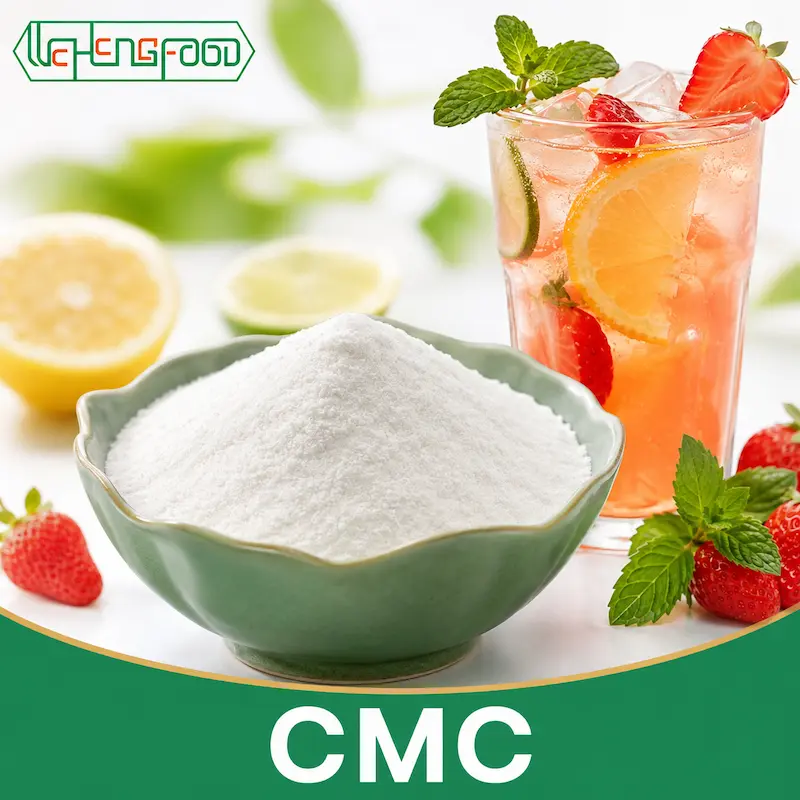
CMC (Sodium Carboxymethyl Cellulose) is a water-soluble cellulose ether made by chemically modifying natural plant fiber into an anionic, non-toxic, biodegradable polymer. It functions as a thickener, stabilizer, emulsifier, water-retention agent, and binder, and is widely used across food, pharmaceutical, toothpaste, oilfield, battery, textile, ceramic, and papermaking industries.
WEHENGFOOD™ is a professional CMC manufacturer, supplier, and exporter in China, producing sodium carboxymethyl cellulose across food, industrial, and specialty grades for customers worldwide.
Strictly speaking, CMC is a single chemical substance — but it is produced in thousands of different grades. Every “type” or “model” of CMC on the market is simply the same base polymer engineered to different specifications of three core indicators:
- Degree of Substitution (D.S.) — how many hydroxyl groups on the cellulose backbone have been carboxymethylated. This determines water solubility, transparency, and resistance to acid/salt.
- Viscosity — the thickening power of the CMC in solution, ranging from a few mPa·s (low-viscosity, easy-dissolving grades) up to 10,000+ mPa·s (ultra-high viscosity grades).
- Purity — the percentage of active CMC content versus residual salts (e.g., NaCl, glycolate byproducts), which affects performance consistency and suitability for sensitive applications like food or pharmaceuticals.
Because these three parameters can be combined in almost unlimited ratios, no supplier catalogue can list every possible grade — a full breakdown would run into the thousands of SKUs. Instead, WEHENGFOOD works with customers to match or custom-develop the exact specification needed for their application, rather than limiting them to a fixed product list.
How to Get an Accurate CMC Quote
Because CMC performance depends heavily on viscosity, D.S., and purity, the accuracy of a quotation depends on how much technical information is shared upfront. To get the fastest and most accurate quote, please provide (in order of importance):
- Your product’s COA (Certificate of Analysis) or TDS (Technical Data Sheet) — the fastest way for us to match or replicate your current specification.
- If no COA/TDS is available, please share as much of the following as possible:
- Viscosity details:
- Solution concentration used for testing (1%, 2%, or other)
- Test method: dry-weight basis (oven-dried sample dissolved to concentration), wet-weight basis (as-is sample dissolved to concentration), or “as supplied” (ASTM-style, no moisture correction)
- Viscometer model, spindle/rotor number, rotor speed (rpm), and test temperature
- Degree of substitution (D.S.)
- Viscosity details:
- If none of the above is available, please at minimum tell us the intended application (food, toothpaste, oilfield drilling, battery, textile printing, ceramics, etc.), so we can recommend a suitable grade from our range.
Certificate of Analysis
Enforce standards | GB1886.232-2016, CP,USP-NF, FCC, EP, E466 | Quantity(kg) | 5000 | Material Name | FVH6-7 |
Test results
Test | Limit | Result |
Appearance | White or light yellow fibrous powder | Conforms |
Identification test | Conforms | Conforms |
Viscosity (mPa ·s) , 1 % soln samples , D25℃ | / | 7990 |
Loss on drying , % | ≤8.0 | 6.40 |
pH (1% soln) | 6.5-8.5 | 7.10 |
Degree of substitution (D.S) | 0.70-0.90 | 0.83 |
Sodium Chloride ( NaCl) , % | ≤1.0 | 0.84 |
Purity , % | ≥98.0 | 99.14 |
Particle Size (60 mesh) , % | ≥99.0 | 100 |
*Heavy Metals , mg/kg | ≤15 | <15 |
*Fe , mg/kg | ≤20 | <20 |
*As , mg/kg | ≤2 | <2 |
Total aerobic plate count , CFU/g | ≤100 | <100 |
Note:the test items with “* ”date is from the 3rd part test report
Test conclusion | Approved |
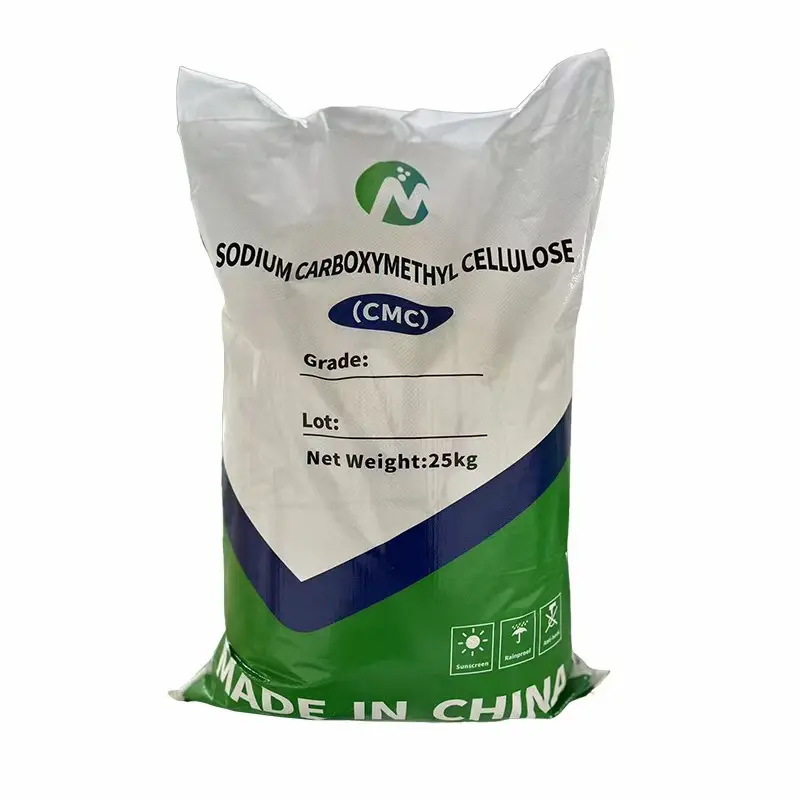
Package 25kg compounded Paper-PE bag
Storage Store in a cool and dry place
Shelf life 24 months
Functions and Usages
Key Features of WEHENGFOOD CMC
- Uniform molecular weight distribution for stable, consistent viscosity
- High resistance to acid and salt environments
- Low gel content, high transparency
- Even degree of substitution (D.S.), reducing free fiber content
- Customizable viscosity, particle size, and D.S. per customer application
- Available in food grade, industrial grade, and specialty grades (toothpaste, battery, oilfield, textile printing)
Applications & Functions of CMC
Food Industry
Thickening, emulsifying, water retention, and freeze-thaw stability. Common in juices/beverages (0.1–0.3%), instant noodles (0.1–0.5%), baked goods (0.1–0.3%), and ice cream (0.1–0.3%) to improve texture and shelf life.
Toothpaste Industry
Thickening, suspending, and dispersing agent that gives toothpaste good compatibility, gloss, and shape retention, while resisting dehydration during storage.
Oilfield / Drilling Industry
Reduces fluid loss and stabilizes drilling mud viscosity, improving wellbore stability under high salinity and temperature.
Battery Industry
Used as a binder in battery electrode slurry, improving coating uniformity, cycling stability, and reducing internal resistance.
Textile Printing & Dyeing
Acts as a thickener and dye-carrier paste, offering even dye distribution, sharp printing patterns, and low gel content.
Ceramics Industry
Improves plasticity and bonding strength of clay bodies, prevents drying cracks, and stabilizes glaze dispersion.
Detergent & Papermaking
Anti-redeposition agent in detergents; surface sizing and water retention agent in paper coating.
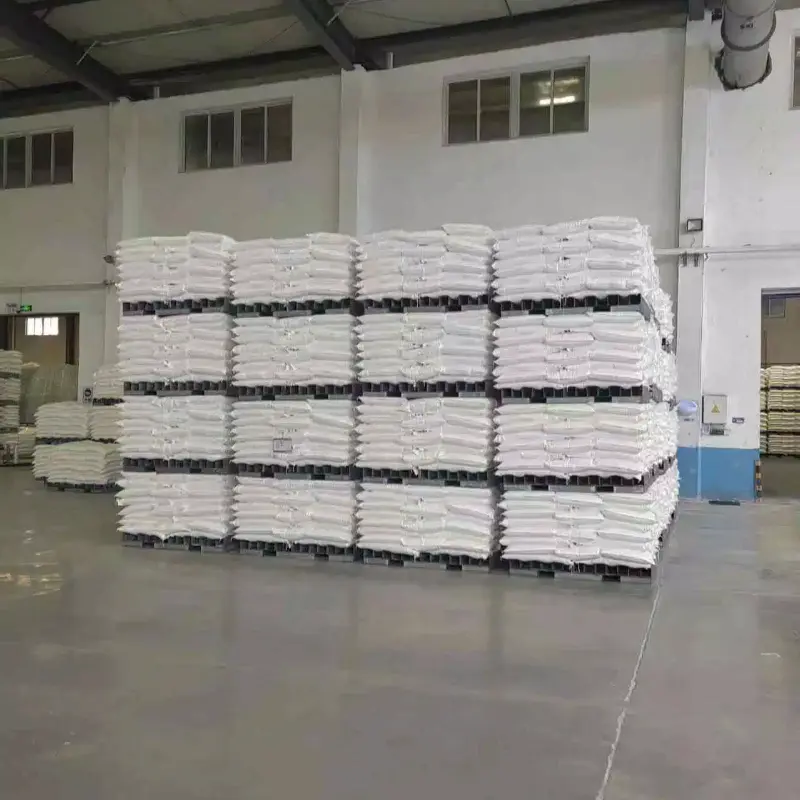
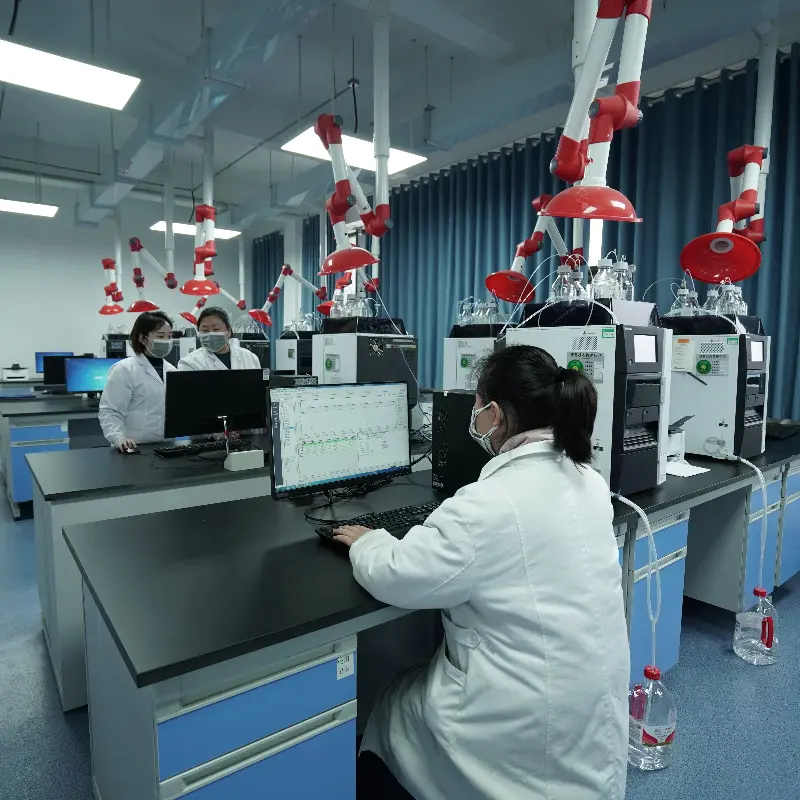
Factory
Package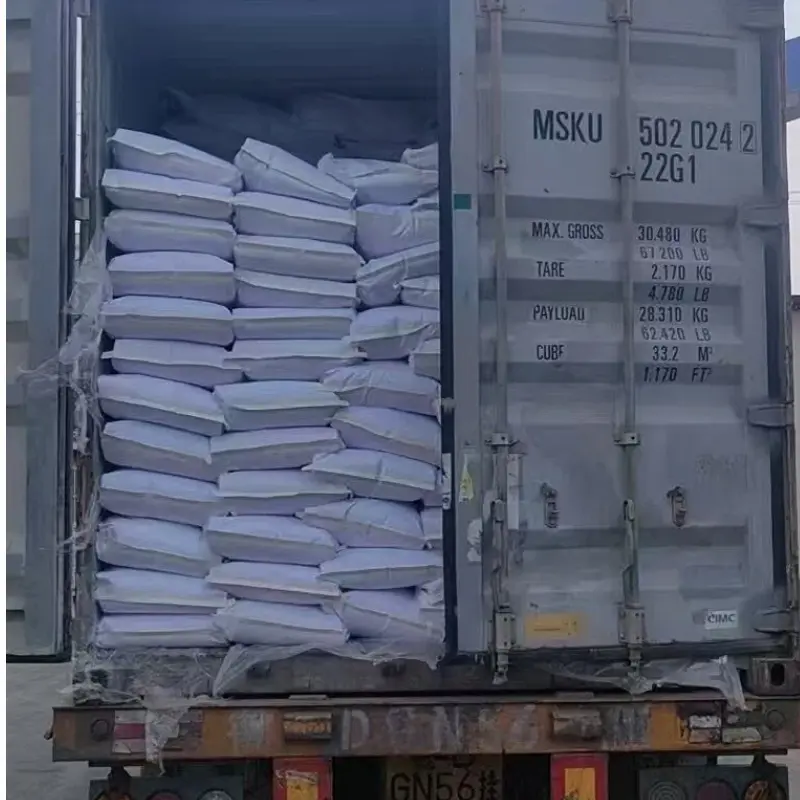
Exhibitions

FAQ
Q1: What is CMC used for?
CMC is a multi-functional additive used as a thickener, stabilizer, emulsifier, and water-retention agent across food, pharmaceutical, toothpaste, oilfield, battery, textile, and ceramic industries.
Q2: Is CMC food grade safe to consume?
Yes. Food-grade CMC is physiologically inert, non-caloric, and approved for use as a food additive under standards such as GB, FCC, and E466 (EU). It is not metabolized by the human body.
Q3: Why are there so many different CMC grades?
Because CMC grades are defined by combinations of degree of substitution, viscosity, and purity, suppliers can produce thousands of variations tailored to specific applications — there is no single “standard” CMC.
Q4: What information do I need to provide to get an accurate CMC quote?
Ideally a COA/TDS of your current product. Without one, share the viscosity test conditions (concentration, dry/wet method, viscometer model, rotor, speed, temperature) and degree of substitution. At minimum, tell us your intended application.
Q5: What is the MOQ and lead time for CMC orders?
Minimum order quantity is typically 500KG for trial orders, with standard lead time of 7–15 days depending on grade and packaging requirements. Bulk container (20′ FCL, ~18MT) orders are also available.
Q6: How should CMC be stored and packaged?
CMC is packed in 25kg kraft paper compound bags with PE liners (or as specified by the customer) and should be stored in a dry, well-ventilated area, avoiding moisture and damaged packaging, as CMC easily absorbs water.
Q7: Can WEHENGFOOD provide customized CMC specifications?
Yes. WEHENGFOOD can develop custom CMC grades — adjusting viscosity, D.S., particle size, and packaging — to meet specific customer application requirements (e.g., toothpaste-grade, battery-grade, or high-viscosity food-grade CMC).