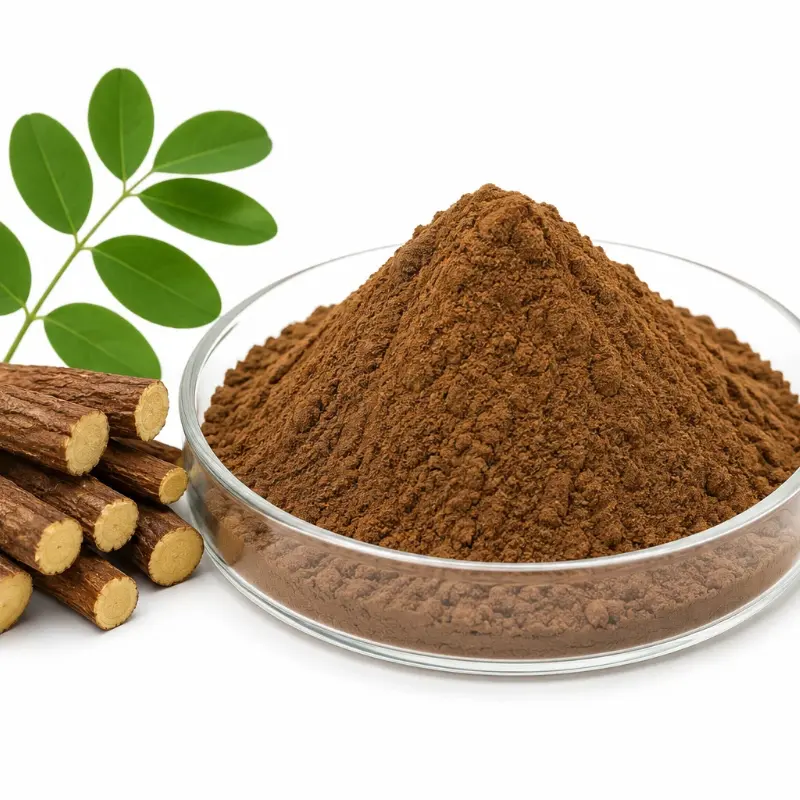
Product Introduction
Licorice Extract is a natural botanical ingredient extracted from the roots and rhizomes of Glycyrrhiza species. It contains bioactive compounds including extract ratios: 10:1, 20:1, 30:1, 50:1
glycyrrhizin (glycyrrhizic acid), flavonoids, liquiritin, isoliquiritin, and other phytochemicals.
The extract is widely used in dietary supplements, functional foods, beverages, cosmetics, and pharmaceutical formulations due to its natural sweetness, botanical properties, and multifunctional applications.
Main Active Ingredients
1. Glycyrrhizin / Glycyrrhizic Acid
- Type: Triterpenoid saponin
- CAS No.: 1405-86-3
- Molecular Formula: C42H62O16
- Molecular Weight: 822.9 g/mol
Glycyrrhizin is considered one of the major characteristic compounds of licorice root.
2. Flavonoids
Including:
- Liquiritin
- Liquiritigenin
- Isoliquiritin
- Isoliquiritigenin
3. Other Natural Compounds
- Glycyrrhetinic acid
- Chalcones
- Polysaccharides
- Phenolic compounds
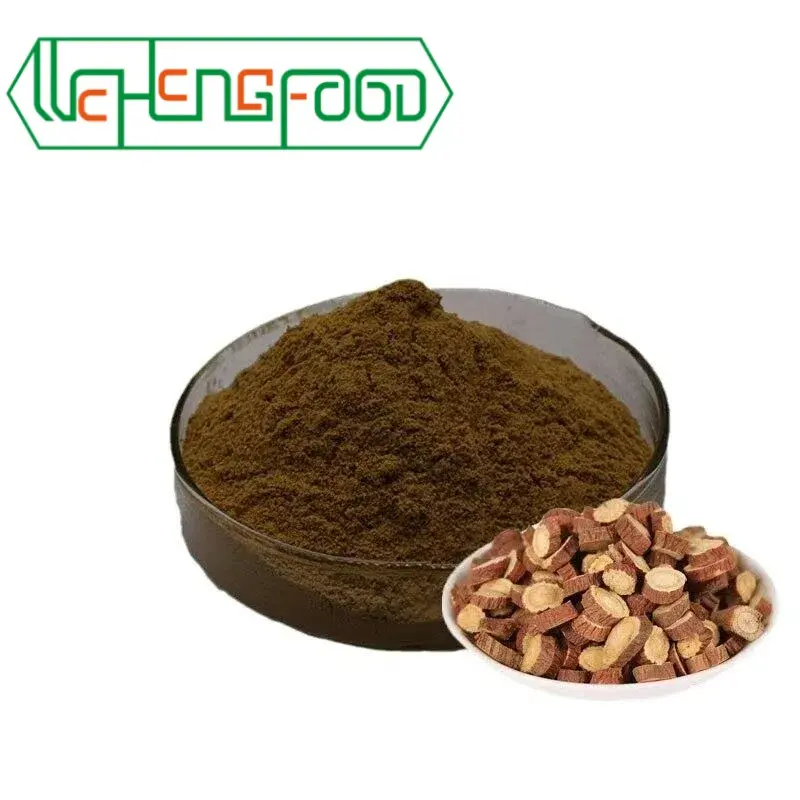
Certificate of Analysis
CERTIFICATE OF ANALYSIS
Product Name: | Plant Part Used: Root |
Botanical Name: Glycyrrhiza glabra L. | Quantity: |
ITEM | SPECIFICATION | METHOD | RESULTS | ||
Physical&Chemical Control | |||||
Appearance | Fine powder | Organoleptic | Complies | ||
Color | Brown | Organoleptic | Complies | ||
Odor&Taste | Characteristic | Organoleptic | Complies | ||
Loss On Drying | ≤5.0% | Eur.Ph.6.0<2.8.17> | 3.45% | ||
Ash | ≤5.0% | Eur.Ph.6.0<2.4.16> | 3.62% | ||
Ratio | 10:1 | TLC | Complies | ||
Sieve Analysis | 98% pass 80 mesh | USP34<786> | Complies | ||
Heavy Metals | ≤20ppm | Eur.Ph.7.0<2.2.58> | Complies | ||
Cadmium(Cd) | ≤1ppm | Eur.Ph.7.0<2.2.58> | 0.5ppm | ||
Mercury(Hg) | ≤0.1ppm | Eur.Ph.7.0<2.2.58> | Negative | ||
Arsenic(As) | ≤1ppm | Eur.Ph.7.0<2.2.58> | 0.4ppm | ||
Lead(Pb) | ≤3ppm | Eur.Ph.7.0<2.2.58> | 09ppm | ||
Bulk density | 45-65g/100ml | Eur.Ph.7.0<2.9.15> | Complies | ||
Microbiological Control | |||||
Total plate count | ≤1000 CFU/g | USP34<61> | Complies | ||
Yeast & mold | ≤100 CFU /g | USP34<61> | Complies | ||
E.coli | Negative | USP34<62> | Negative | ||
Salmonella | Negative | USP34<62> | Negative | ||
Conclusion: Conform with specification
Storage: Stored in dry and cool place, keep away from strong light and heat.
Shelf Life: Two years when stored properly
Functions and Usages
Cosmetics Raw Materials
1, Glabridin
Glabridin isolated from Glycyrrhiza Glabra L. is used in cosmetic preparations because of its skin-whitening properties. It is considered as one of the most important skin-whitening ingredients in high-end skincare products.
- CAS NO59870-68-7
- INCI NameGlabridin, Glycyrrhiza Glabra (Licorice) Root Extract
- SpecificationsHPLC: 20%, 40%, 90%, 98%
- ColorWhite, Reddish Brown, Yellowish Brown Powder
- Effectfreckle-removing, skin-whitening, isolated ultraviolet and prevent the generation of melanin.
- Application
skin cream, facial mask, lotion, sunscreen cream, etc.
2, Licochalcone A
has anti-inflammatory, anti-oxidant and anti-allergic properties. It is a new type of natural compounds in cosmetics.- CAS NO58749-22-7
- INCI NameGlycyrrhiza Inflata (Licorice) Root Extract
- SpecificationsHPLC: 10%, 20%, 40%,80%
- ColorGolden Yellow Powder
- Effectanti-Inflammatory and anti-redness
- Application
skin cream, shower gel, after-shave lotion, etc.
3, Dipotassium Glycyrrhizinate (DPG)
Dipotassium Glycyrrhizinate can be used as an important element in body lotion, shampoo and facial masks due to its skin protection, anti-inflammation and skin-disease healing properties.
- CAS NO68797-35-3
- INCI NameDipotassium Glycyrrhizate
- SpecificationsHPLC≥73%; UV≥98%
- ColorWhite Powder
- Effectant-inflammatory, anti-allergic and preserve moisture
- Application
skin cream, shower gel, toothpaste, facial mask, etc.
Food & Healthcare Raw Materials
Mono-ammonium Glycyrrhizinate (MAG)
Mono-Ammonium Glycyrrhizinate is a high purity natural sweetener, with a sweetness 200-300 times stronger than that of sugar. QHL Pharmaceuticals has eliminated the bitterness and other unwanted flavors by improving the production process. Therefore, the taste of MAG is now much longer lasting.
- CAS NO53956-04-0
- INCI Name/
- SpecificationsHPLC ≥ 65%, HPLC ≥ 73%; Titr ≥ 98%
- ColorPale Yellow or White Powder
- EffectSweetener, Corrigent
- Application
Juice, soy, bakery food, etc.
Glycyrrhizine R19, R21
It is a kind of nature sweetener that is 150 times sweeter than sugar, but without the sourness.
- CAS NO1405-86-3
- INCI Name/
- SpecificationsHPLC: 13%-20%
- ColorBrown Powder
- EffectSweetener Application Soy, kimchi, canned food, etc.
Tobacco Essence
Licorice Extract Spray Dried Powder & Licorice Extract Block
These products can provide an increase in natural sweetness, as well as a long-lasting aftertaste. They are often used to mask bad aftertastes and improve overall flavor.
- CAS NO68916-91-6
- INCI Name/
- SpecificationsHPLC ≥ 7%; WW ≥ 22%
- ColorBrown powder
- EffectEnhance aroma and flavor, improve taste
- ApplicationTobacco, licorice Candy, preserved fruit, etc.
OEM & ODM Service
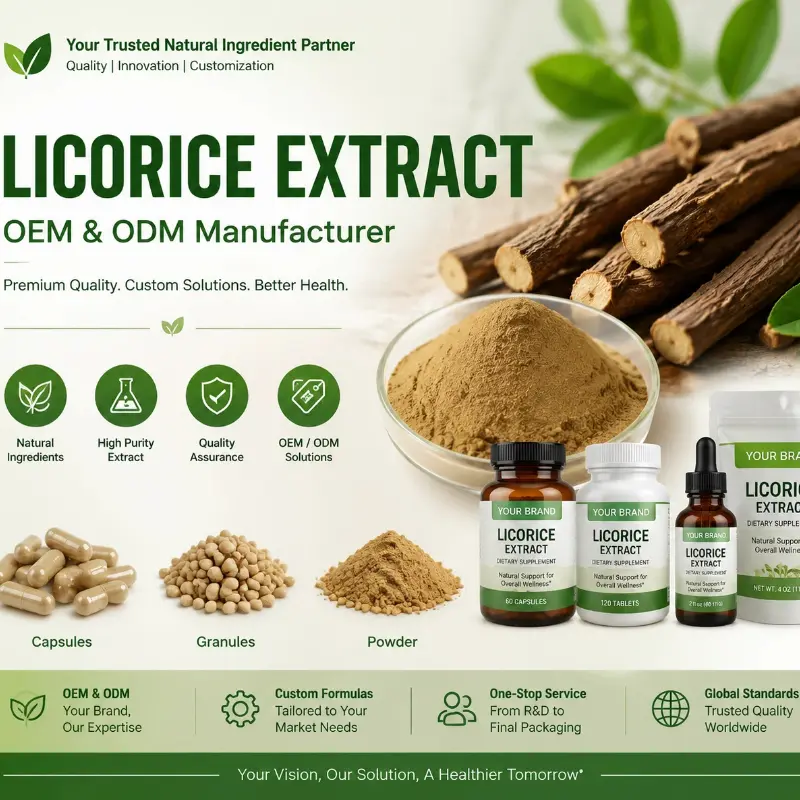
WEHENGFOOD offers a one-stop OEM & ODM service for licorice extract production, processing, and packaging customization, including tablets, powders, granules, hard capsules, soft capsules, gummies, etc., tailored to specific customer needs.
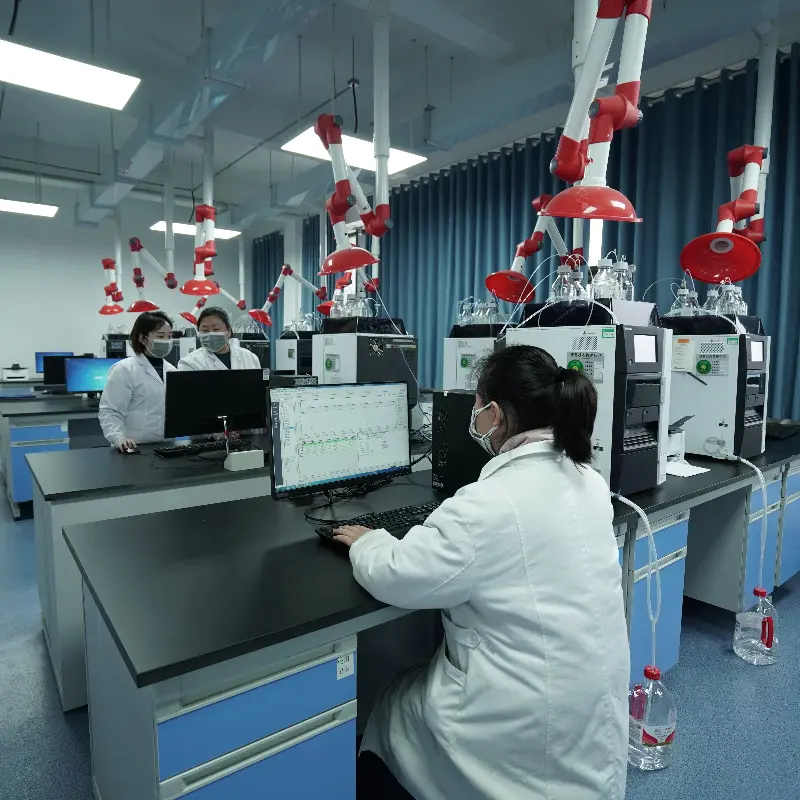
Factory
1. Raw Material Selection & Inspection
Selection of high-quality botanical raw materials
- Identification of plant species
- Supplier qualification assessment
- Quality inspection of raw materials
- Testing for pesticides, heavy metals, microorganisms, and contaminants
2. Cleaning & Pre-processing
Preparation of raw materials before extraction
- Washing and impurity removal
- Drying and moisture control
- Cutting, crushing, and milling
- Preparation of uniform botanical powder
3. Extraction
Extraction of active ingredients from plants
- Solvent extraction (water, ethanol, etc.)
- Ultrasonic extraction / reflux extraction
- Optimization of temperature, time, and solvent ratio
- Transfer of bioactive compounds into extract solution
4. Filtration & Separation
Removal of insoluble materials and impurities
- Coarse filtration
- Fine filtration
- Centrifugation and purification
- Obtaining clear extract liquid
5. Concentration
Increasing the concentration of active compounds
- Vacuum evaporation
- Low-temperature concentration technology
- Removal of excess solvent
- Improvement of extract potency
6. Purification & Refinement
Enhancing purity and quality of the extract
- Resin purification
- Membrane filtration
- Removal of unwanted components
- Standardization of active ingredients
7. Drying
Conversion of liquid extract into powder form
- Spray drying
- Freeze drying (for heat-sensitive ingredients)
- Moisture control
- Production of stable botanical extract powder
8. Milling & Sieving
Improving powder quality and consistency
- Fine grinding
- Particle size control
- Uniform powder appearance
9. Blending & Standardization
Ensuring consistent product specifications
- Adjustment of active ingredient content
- Mixing with carriers if required
- Batch consistency control
10. Quality Control Testing
Comprehensive quality assurance
- HPLC / GC analysis
- Active compound identification
- Microbial testing
- Heavy metal testing
- Residual solvent testing
- Stability testing
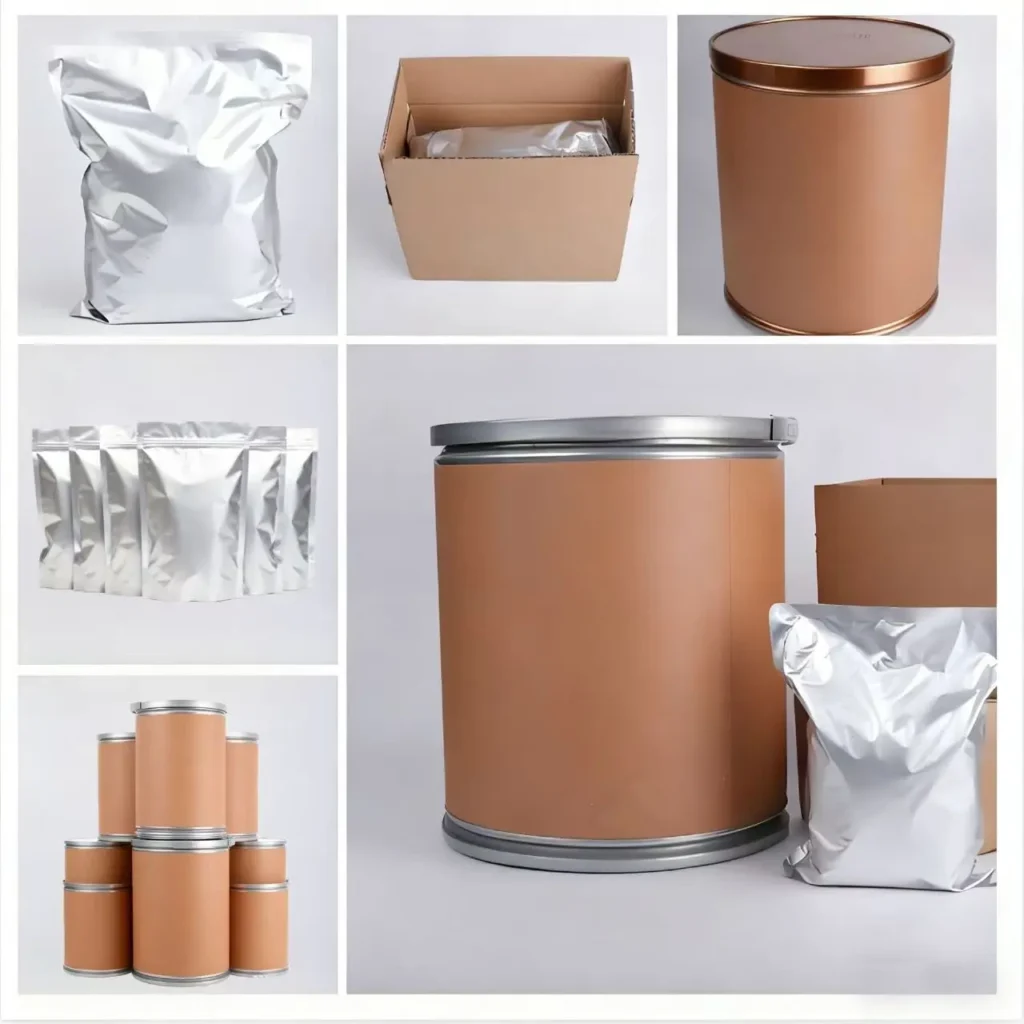
11. Packaging
Professional packaging solutions
- Aluminum foil bags
- Drums
- Customized OEM packaging
- Labeling and batch coding
12. Storage & Shipment
Safe delivery to global customers
- Temperature and humidity-controlled storage
- Documentation preparation
- International logistics support
- Global export service
Package
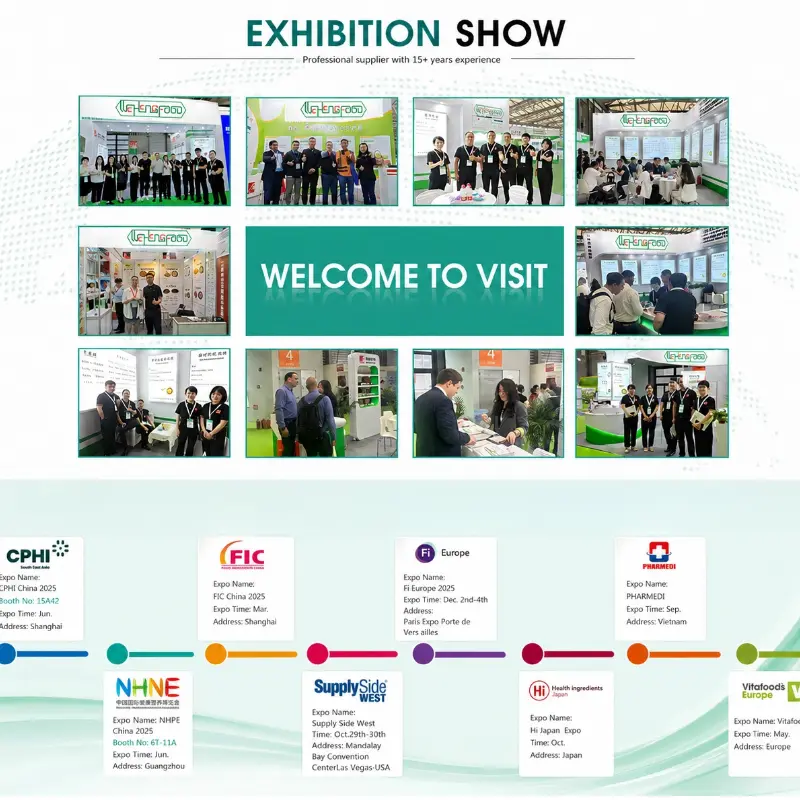
Exhibitions