Product Introduction
What Is Black Cocoa Powder?
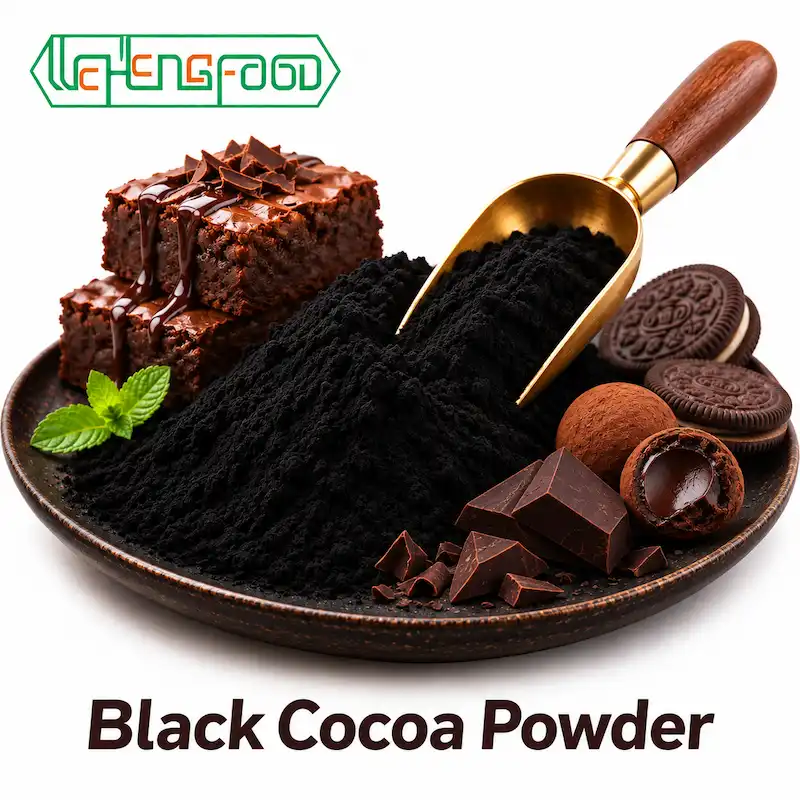
Black cocoa powder is an unsweetened cocoa powder that has been alkalized (Dutch-processed) more intensively than standard Dutch cocoa. This treatment turns the cocoa from reddish-brown to a deep, near-black shade. It also lowers the acidity and softens the flavor. The taste is smooth, mellow and slightly bitter, with less of the sharp fruitiness of natural cocoa.
If you are asking “what is black cocoa powder”, the short answer is that it is a color-first, flavor-smooth cocoa ingredient. Food manufacturers use it to get a dark, striking appearance in baked goods and desserts without artificial colorants.
As a China supplier, exporter and factory of cocoa ingredients, WEHENGFOOD supplies unsweetened black cocoa powder in bulk to bakeries, biscuit makers, ice cream producers and food brands worldwide.
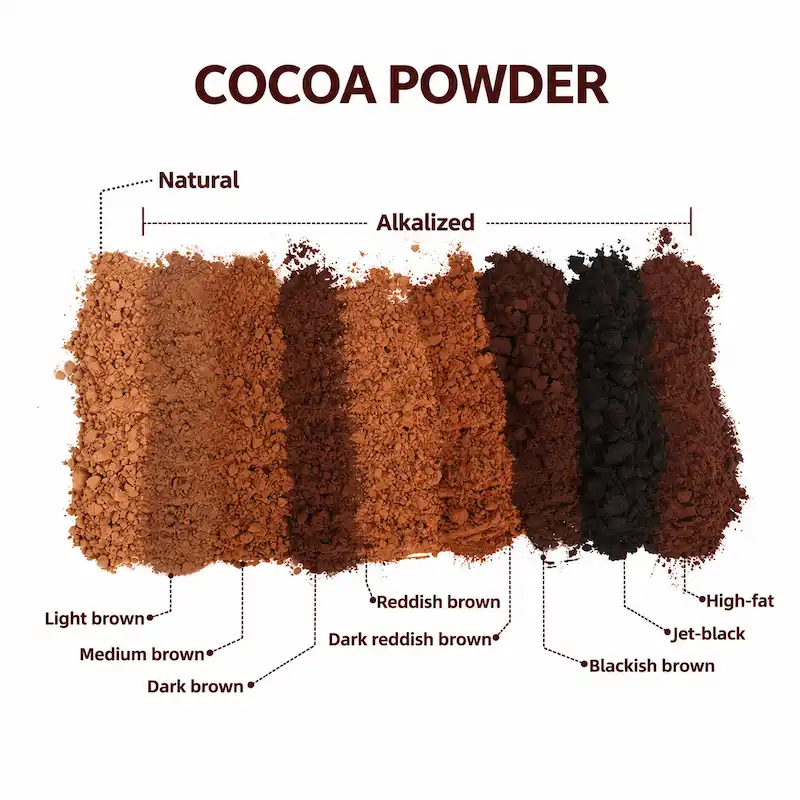
Black Cocoa vs. Dutch-Processed vs. Natural Cocoa Powder
| Natural Cocoa | Dutch-Processed Cocoa | Black Cocoa | |
|---|---|---|---|
| Processing | Not alkalized | Alkalized | Heavily alkalized |
| Color | Light brown | Medium to dark brown | Very dark to near-black |
| pH | About 5–6 | About 6.8–7.5 | Above 7.5 |
| Flavor | Sharp, fruity | Rounder, milder | Smooth, mellow, less aromatic |
| Reacts with baking soda | Yes | Limited | No |
Because black cocoa powder is non-acidic, it does not activate baking soda. Recipes that use it should rely on baking powder or include an acidic ingredient.
Certificate of Analysis
Appearance | Deep Blackish brown | |
Flavor | Cocoa flavor | |
Color | Soup in water | Blacksih brown |
Soup in milk | Dark brown | |
Color | Soup in milk | Dark brown |
Soup in milk | Dark brown | |
Certificate | Halal, Kosher, ISO, HACCP | |
Application | Chocolates, Ice Cream, Beverages, Dairy, Confectionery etc. | |
Physical and Chemical Parameters | ||
PH Value | 7.5-8.5 | |
Fat Content(g/100g) | 10 – 12% | |
Moisture(g/100g) | 5% Max | |
Ash(on dry basis) | 18% Max. | |
Fineness(%) | > 99.0% | |
Microbiological Data | ||
Total Plate Count(MPN/100g) | 5000 Max | |
Yeast Count(CFU/g) | 50 Max | |
Mould Count(CFU/g) | 50 Max | |
Salmonella(CFU/g) | Negative | |
Key Functions
- Deep natural color: gives cakes, cookies and coatings a rich black or ultra-dark tone without artificial dyes.
- Smooth, low-acid flavor: a mellow, less bitter profile that suits chocolate-forward products.
- Stable in baking: the dark color holds up through baking and processing.
- Pairs well with other cocoas: commonly blended with regular Dutch-processed cocoa, because black cocoa alone has a less intense chocolate aroma. A small amount of espresso powder in the formula can also bring out more chocolate depth.
- Low calorie contribution: unsweetened cocoa powder provides roughly 10–12 kcal per level tablespoon (about 5 g), so it adds color and flavor with little energy.
Common Applications
- Biscuits and sandwich cookie wafers: the classic use for black cocoa powder.
- Cakes and brownies: black chocolate cake, devil’s food cake, brownies and cupcakes.
- Ice cream and frozen desserts: dark chocolate flavor and color.
- Icings, glazes and fillings: deep black frostings and cream fillings.
- Beverages and instant drink mixes: chocolate drinks and milk powders.
- Bakery premixes and seasonal products: dark-themed cakes, cookies and desserts.
Black Cocoa Powder and Health Claims
Cocoa is naturally a source of flavanols, and that is why “cocoa powder benefits” is a common search. However, alkalization significantly reduces flavanol content. Black cocoa powder is chosen for its color and taste, not as a high-flavanol ingredient. If your product targets high-flavanol positioning, natural or lightly processed cocoa is the better starting point. Black cocoa powder is also made from roasted, processed cocoa, which differs from raw or minimally processed cacao powder.
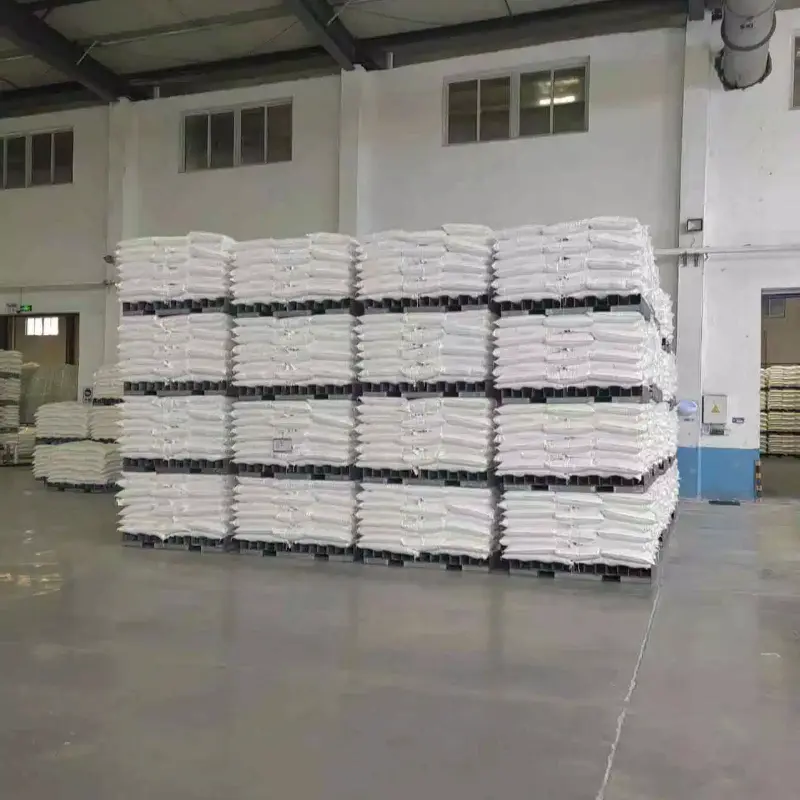
Factory

Package

Exhibitions

FAQ
Q1: What is black cocoa powder and how is it different from regular cocoa powder?
Black cocoa powder is an unsweetened cocoa powder that has been heavily alkalized (Dutch-processed). Compared with natural cocoa, it is much darker, almost black. It is also lower in acidity and has a smoother, milder flavor. Regular Dutch-processed cocoa is alkalized to a lesser degree and stays medium to dark brown.
Q2: Is black cocoa powder the same as Dutch-processed cocoa powder?
Black cocoa powder is a type of Dutch-processed cocoa powder, but it is not the same as standard Dutch cocoa. Both are alkalized, and black cocoa simply goes through a more intensive alkalization. This gives it a deeper color and a less aromatic chocolate flavor. Many manufacturers blend black cocoa with regular Dutch-processed cocoa to balance color and chocolate intensity.
Q3: Can I substitute black cocoa powder for natural or regular cocoa powder in recipes?
Not one-to-one in most cases. Black cocoa is non-acidic, so it does not react with baking soda. Recipes built on natural cocoa and baking soda need to be adjusted with baking powder or an acidic ingredient. Because the chocolate aroma is milder, it is usually blended with another cocoa rather than used alone. A small amount of espresso powder can also help bring out more chocolate depth.
Q4: What is black cocoa powder used for in food production?
It is mainly used where a deep black color is needed. Typical applications include sandwich cookie wafers, biscuits, chocolate cakes, brownies, ice cream, icings, glazes, cream fillings, and instant chocolate drink mixes. It is also popular in dark-themed bakery products and desserts.
Q5: Is black cocoa powder healthy? Does it contain flavanols?
Cocoa is naturally a source of flavanols, but alkalization reduces them significantly. Black cocoa powder is chosen for its color and taste rather than as a high-flavanol ingredient. Unsweetened cocoa powder is also low in calories, at roughly 10–12 kcal per level tablespoon (about 5 g). If your product is positioned around flavanols, natural or lightly processed cocoa is the better choice.
Q6: What are the payment terms for black cocoa powder orders?
Our standard payment terms are 50% T/T (telegraphic transfer) in advance, with the balance paid against a copy of the bill of lading (B/L). This is a common arrangement for international bulk shipments, and it lets buyers confirm shipment before settling the remaining amount.