Product Introduction
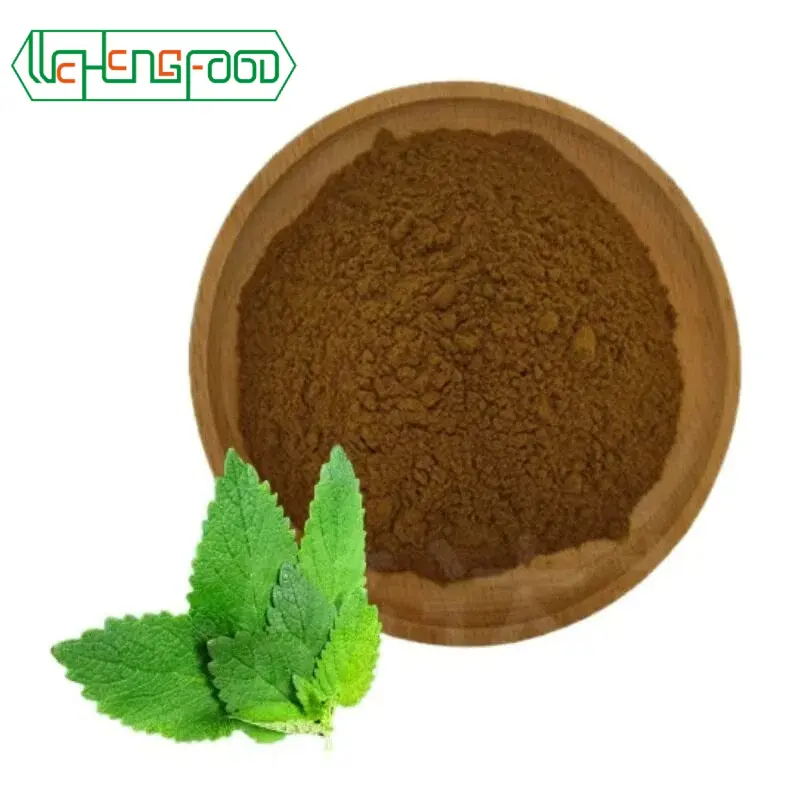
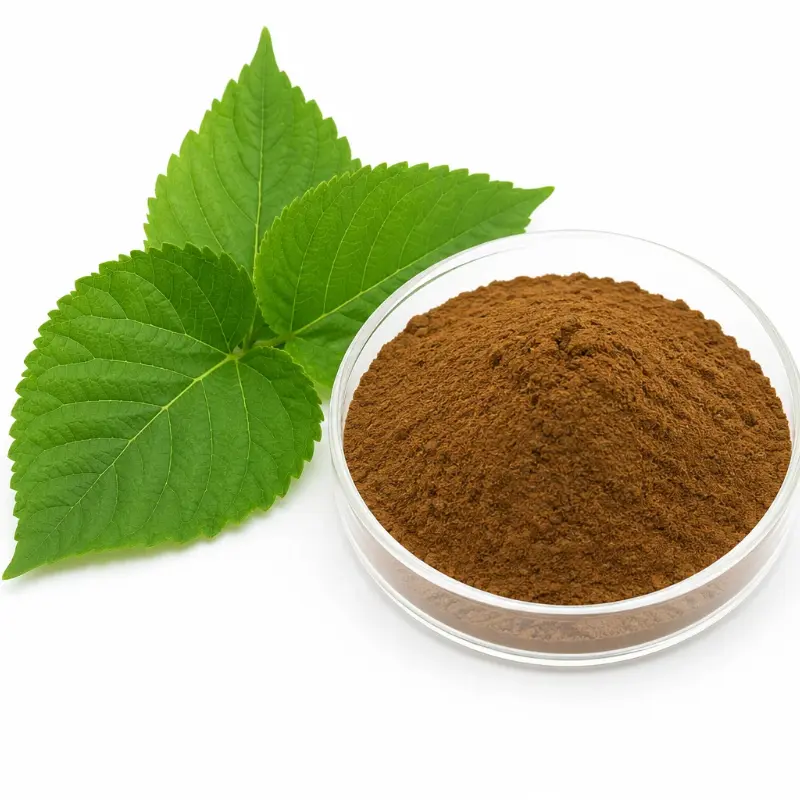
Mulberry leaf extract is a natural plant ingredient extracted from the leaves of the white mulberry (Morus alba L.). Mulberry leaves are rich in various bioactive compounds, including 1-deoxynojirimycin (DNJ), flavonoids, polyphenols, alkaloids, and antioxidants, and are widely used in traditional Asian herbal medicine.
Extract ratios: e.g., 4:1, 10:1, 20:1.
Active ingredient (deoxynojirimycin/DNJ): 1% to 5% 1-DNJ content (commonly found in hypoglycemic supplements).
Active ingredient (mulberry leaf flavonoids): 5%, 10%, 30% content (determined by UV spectrophotometry).
Mulberry leaf extract is widely used in dietary supplements, functional foods, beverages, and nutritional supplements due to its natural plant source and functional properties.
Key advantages and features: Natural plant source; extracted from carefully selected mulberry leaves using advanced extraction technology to retain active ingredients.
Rich in DNJ (1-deoxynojirimycin). DNJ is one of the characteristic compounds found in mulberry leaves and is often used as a quality indicator for mulberry leaf extracts.
Antioxidant properties: Contains flavonoids and polyphenols, exhibiting antioxidant activity.
Supports healthy metabolism and is often added to products designed to promote metabolic health and balanced nutrition.
Offers plant-based, non-GMO products with clean label ingredients, suitable for modern health-conscious consumers.
Certificate of Analysis
CERTIFICATE OF ANALYSIS
Product Name: Mulberry P.E. | Plant Part Used: Leaf |
Botanical Name: Morus alba L. | Quantity: 500kg |
ITEM | SPECIFICATION |
| RESULTS | |||
Physical&Chemical Control |
| |||||
Appearance | Fine Powder | Organoleptic | Complies | |||
Color | Brown | Organoleptic | Complies | |||
Odor | Characteristic | Organoleptic | Complies | |||
Sieve Analysis | 98%pass100 mesh | USP34<786> | Complies | |||
Loss on drying | ≤5.0% | Eur.Ph.6.0<2.8.17> | 3.15% | |||
Sulphated Ash | ≤5.0% | Eur.Ph.6.0<2.4.16> | 3.45% | |||
DNJ | 5% | HPLC | 5.23% | |||
FlavonoidS | 15% | UV | 15.87% | |||
Heavy Metals | ≤10ppm | Eur.Ph.7.0<2.2.58> | Complies | |||
Cadmium(Cd) | ≤1ppm | Eur.Ph.7.0<2.2.58> | Complies | |||
Mercury(Hg) | ≤0.1ppm | Eur.Ph.7.0<2.2.58> | Complies | |||
Arsenic(As) | ≤1ppm | Eur.Ph.7.0<2.2.58> | Complies | |||
Lead(Pb) | ≤3ppm | Eur.Ph.7.0<2.2.58> | Complies | |||
Bulk Density | 45-65g/100ml | Eur.Ph.7.0<2.9.15> | Complies | |||
Microbiological Control | ||||||
Total Plate Count | ≤10000 CFU/g | USP34<61> | 652CFU/g | |||
Yeast & Mold | ≤100 CFU/g | USP34<61> | 64CFU/g | |||
E.Coli | Negative | USP34<62> | Negative | |||
Salmonella | Negative | USP34<62> | Negative | |||
Conclusion: Conform with specification
Storage: Stored in dry and cool place, keep away from strong light and heat.
Shelf Life: Two years when stored properly
Functions and Usages
About Mulberry Leaf (*Morus alba*)
Mulberry leaf—the dried leaf of the *Morus* plant (family Moraceae)—is listed by the National Health Commission as a “dual-purpose” ingredient, meaning it serves as both food and medicine. In traditional Chinese medicine, it is used to disperse wind-heat, clear lung heat and moisten dryness, and clear the liver to improve eyesight. The *Compendium of Materia Medica* (*Bencao Gangmu*) refers to it as the “Immortal’s Herb.” It has a long history of widespread use in folk traditions, such as in teas and congees. Since the 1990s, mulberry leaf has become a popular functional food ingredient in Japan, hailed as a “secret to longevity”; products like “mulberry leaf green juice” became a craze, while mulberry leaf tea, noodles, and cookies also gained popularity. In Europe and the United States, mulberry leaf is recognized as a source of active ingredients that help lower blood sugar and support cardiovascular health.
WEHENGFOOD Mulberry Leaf Extract
WEHENGFOOD Mulberry Leaf Extract is produced from fresh young leaves harvested from mulberry branches during the late spring silkworm-rearing season. It is obtained through a process of crushing, extraction, fine filtration, concentration, (refining), and drying. It contains various active substances, including alkaloids (such as 1-deoxynojirimycin/1-DNJ), flavonoids, polyphenols, polysaccharides, and GABA. Among these, the alkaloid 1-DNJ inhibits the activity of disaccharidase enzymes, thereby suppressing the small intestine’s absorption of disaccharides and reducing postprandial blood glucose spikes.
WEHENGFOOD Mulberry Leaf Extract features excellent water solubility and a pure flavor profile. It is widely used in functional foods, pastries, cookies, beverages, confectionery, dairy products, and grain-based foods. It helps lower the Glycemic Index (GI) of foods and beverages, control postprandial blood sugar, alleviate the burden of insulin secretion, and reduce carbohydrate absorption.
Human clinical trials conducted on mulberry leaf extract product demonstrated that it inhibits postprandial blood glucose generation by up to 49.2%, reduces peak serum insulin levels by 69.3%, and lowers total insulin output by 65.0%. Key Benefits of Mulberry Leaf Extract
√ Lowers the Glycemic Index (GI) of foods and beverages
√ Controls postprandial blood sugar
√ Relieves the burden on insulin secretion
√ Reduces carbohydrate absorption
OEM & ODM Service
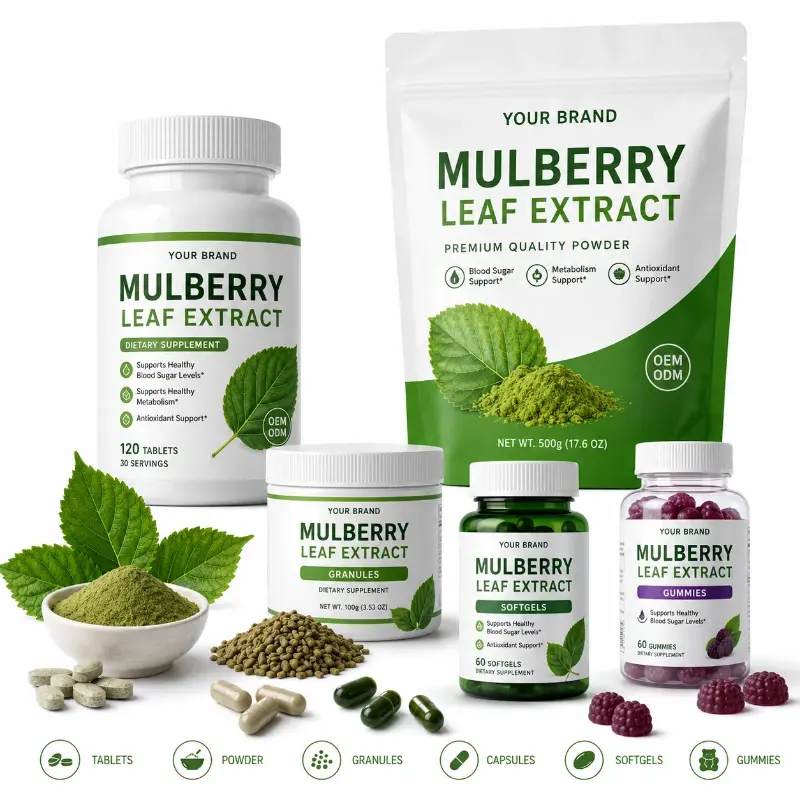
WEHENGFOOD offers a one-stop OEM & ODM service for mulberry leaf extract production, processing, and packaging customization, including tablets, powders, granules, hard capsules, soft capsules, gummies, etc., tailored to specific customer needs.
Factory
1. Raw Material Selection & Inspection
Selection of high-quality botanical raw materials
- Identification of plant species
- Supplier qualification assessment
- Quality inspection of raw materials
- Testing for pesticides, heavy metals, microorganisms, and contaminants
2. Cleaning & Pre-processing
Preparation of raw materials before extraction
- Washing and impurity removal
- Drying and moisture control
- Cutting, crushing, and milling
- Preparation of uniform botanical powder
3. Extraction
Extraction of active ingredients from plants
- Solvent extraction (water, ethanol, etc.)
- Ultrasonic extraction / reflux extraction
- Optimization of temperature, time, and solvent ratio
- Transfer of bioactive compounds into extract solution
4. Filtration & Separation
Removal of insoluble materials and impurities
- Coarse filtration
- Fine filtration
- Centrifugation and purification
- Obtaining clear extract liquid
5. Concentration
Increasing the concentration of active compounds
- Vacuum evaporation
- Low-temperature concentration technology
- Removal of excess solvent
- Improvement of extract potency
6. Purification & Refinement
Enhancing purity and quality of the extract
- Resin purification
- Membrane filtration
- Removal of unwanted components
- Standardization of active ingredients
7. Drying
Conversion of liquid extract into powder form
- Spray drying
- Freeze drying (for heat-sensitive ingredients)
- Moisture control
- Production of stable botanical extract powder
8. Milling & Sieving
Improving powder quality and consistency
- Fine grinding
- Particle size control
- Uniform powder appearance
9. Blending & Standardization
Ensuring consistent product specifications
- Adjustment of active ingredient content
- Mixing with carriers if required
- Batch consistency control
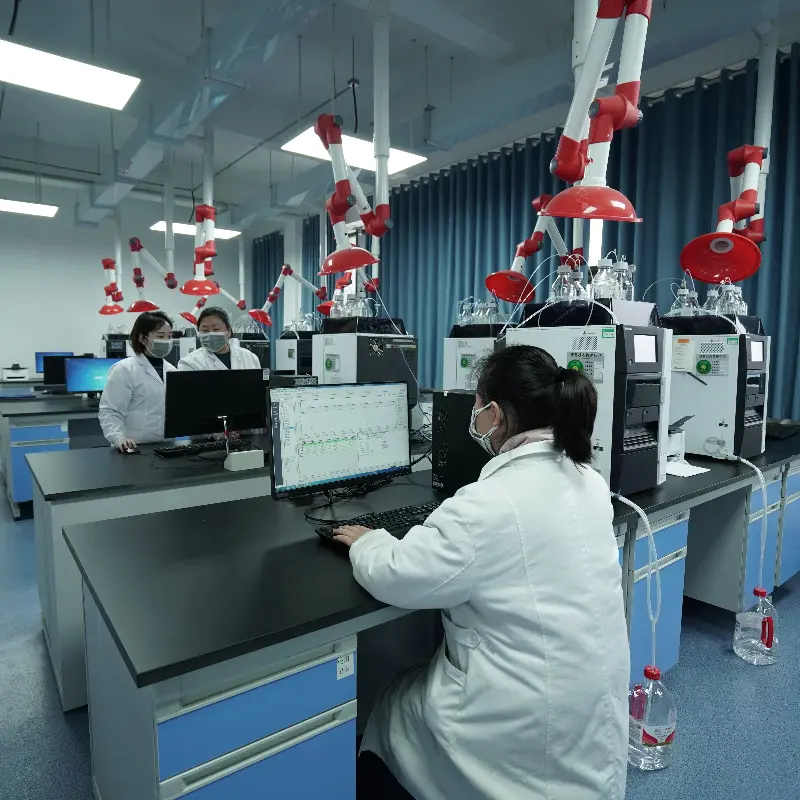
10. Quality Control Testing
Comprehensive quality assurance
- HPLC / GC analysis
- Active compound identification
- Microbial testing
- Heavy metal testing
- Residual solvent testing
- Stability testing
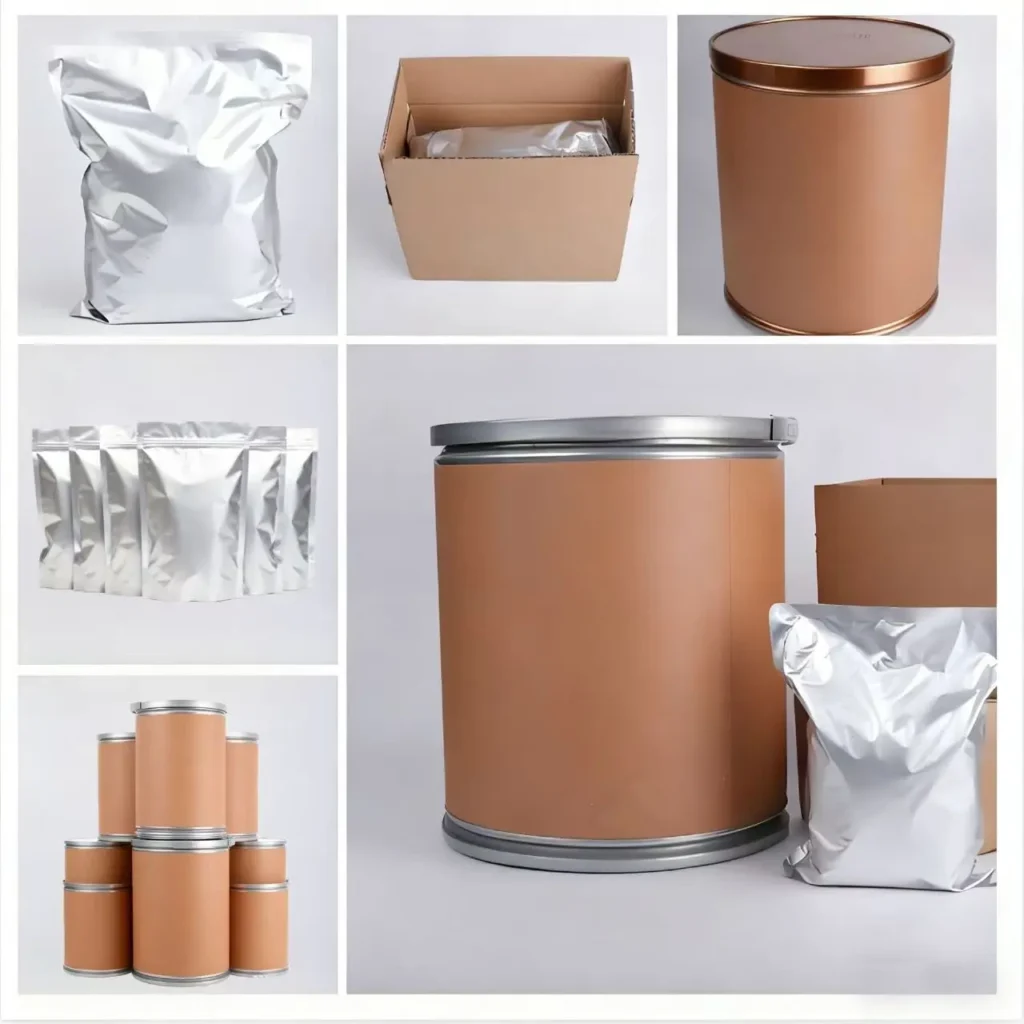
11. Packaging
Professional packaging solutions
- Aluminum foil bags
- Drums
- Customized OEM packaging
- Labeling and batch coding
12. Storage & Shipment
Safe delivery to global customers
- Temperature and humidity-controlled storage
- Documentation preparation
- International logistics support
- Global export service
Package
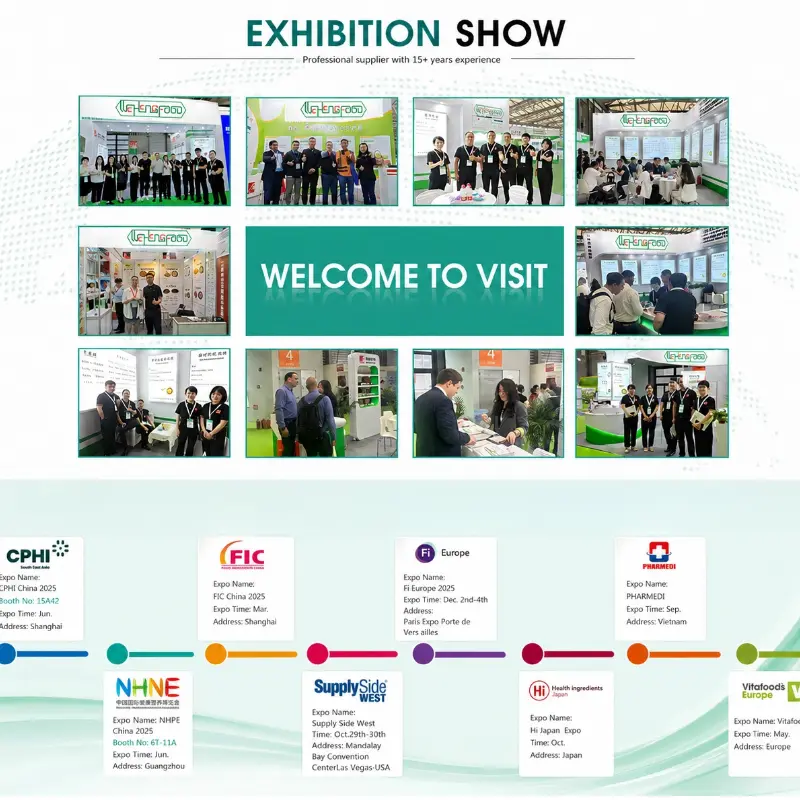
Exhibitions